


Universal Pictures
Warning: This analysis contains significant spoilers for the film “Other Mommy.”
The Challenge of Crafting Modern Cinematic Monsters
In the realm of horror cinema, screenwriters often face a strategic crossroads: do they utilize established supernatural archetypes-like vampires or slashers-whose rules are already ingrained in the viewer’s psyche, or do they attempt to forge an entirely original entity? Relying on classic tropes provides a shortcut to audience understanding, but it often lacks the visceral impact of a fresh nightmare. Conversely, introducing a completely new antagonist requires a delicate balancing act. If a filmmaker over-explains the creature’s mechanics, the mystery evaporates, rendering the monster mundane. If they provide too little context, the narrative risks becoming incoherent.
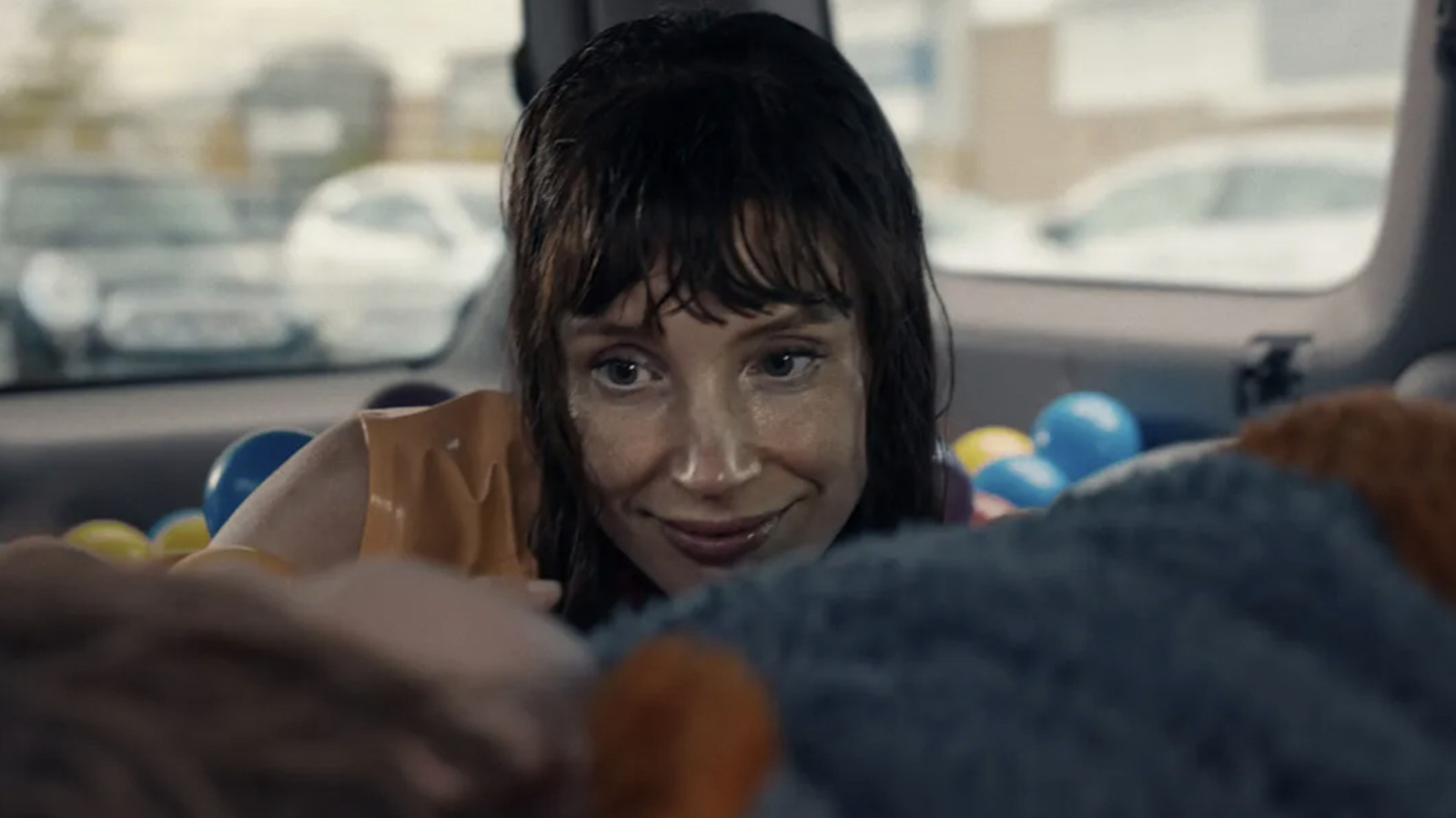
This tension is perfectly illustrated by the antagonist in the recent release, “Other Mommy.” Adapted from Josh Malerman’s 2024 literary work, “Incidents Around the House,” the film forces viewers to grapple with a creature that defies traditional categorization. Much like the “Babadook” or the entities found in modern “creepypasta” lore, Other Mommy thrives on ambiguity, leaving audiences to piece together her terrifying capabilities through fragmented, unsettling encounters rather than a neat, expository manual.
Why Ambiguity Drives Horror Success
Modern horror audiences are increasingly sophisticated, often growing bored with predictable jump scares or monsters that follow a rigid set of “rules.” According to recent industry data, films that lean into psychological dread and unexplained phenomena-such as the “A24 effect”-often see higher engagement and longer-lasting cultural impact than standard creature features. By keeping the Other Mommy’s origins and specific power sets shrouded in shadow, the filmmakers tap into a primal fear of the unknown.
Think of it like the difference between a magician revealing their trick and one who leaves you questioning reality. By refusing to fully define the entity, the film ensures that the threat feels omnipresent and inescapable. The horror isn’t just in what the creature does, but in the terrifying realization that the protagonist-and the viewer-cannot fully comprehend the scope of her influence.