





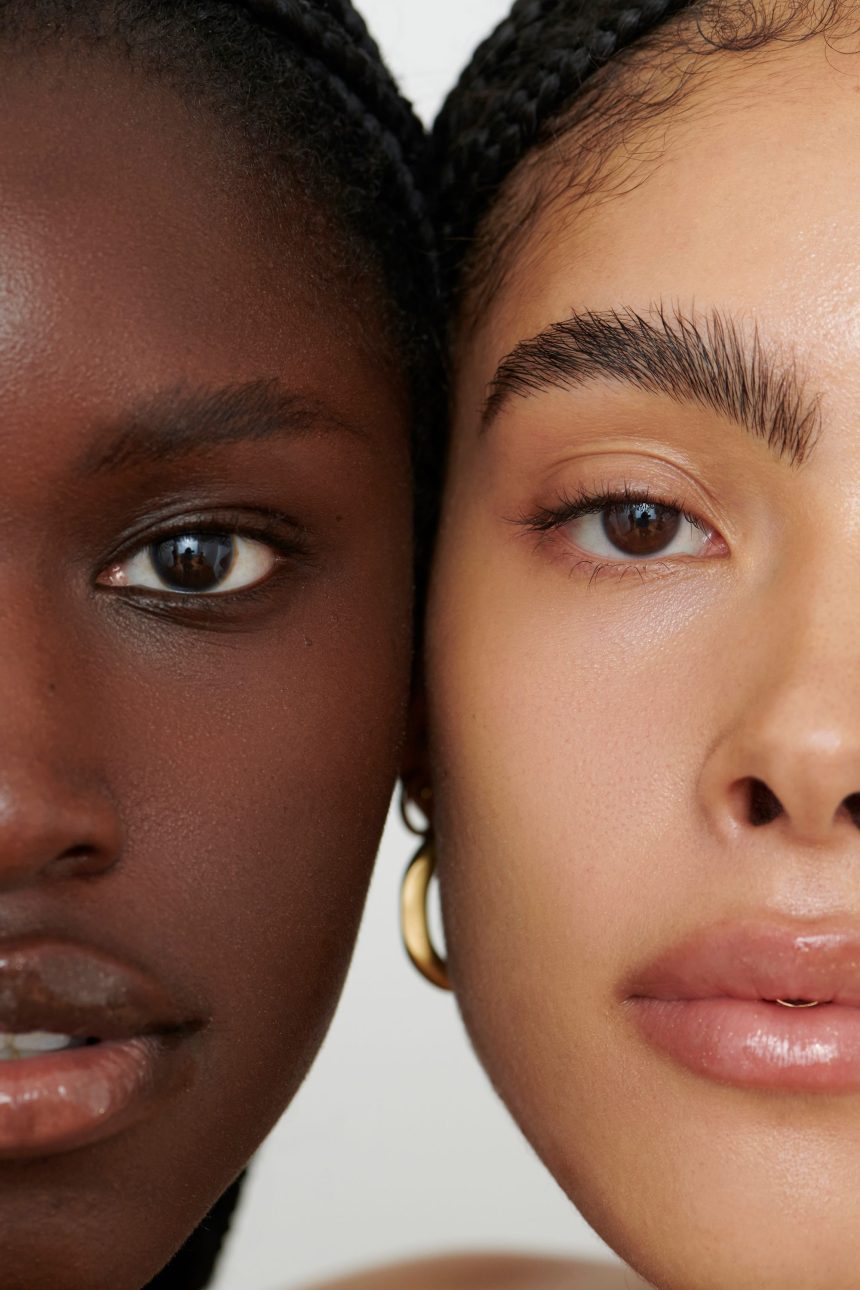
Mastering Your Complexion: A Pro Guide to Identifying Skin Undertones
Achieving a flawless makeup look often hinges on one critical, yet frequently misunderstood, factor: your skin undertone. While many people focus exclusively on surface-level skin tone, failing to account for the subtle hues beneath the surface is exactly why so many foundations end up looking ashy, gray, or unnaturally orange.
If you have spent years struggling to find a foundation that truly disappears into your skin, you aren’t alone. Even with the massive expansion of shade ranges in the beauty industry-where brands now frequently offer 40 to 50+ shades-the sheer volume of options can be overwhelming. By learning to decode your specific undertone, you can stop the cycle of trial-and-error and finally achieve a seamless, professional-grade finish.
Defining the “Under-Surface” Hue
At its core, your skin undertone is the permanent, subtle color that exists beneath the surface of your skin. Unlike your surface tone, which can shift due to sun exposure, acne, or seasonal changes, your undertone remains constant throughout your life.
Generally, beauty experts categorize these into four primary groups:
- Cool: Characterized by hints of blue, pink, or red.
- Warm: Defined by golden, yellow, or peachy hues.
- Neutral: A balanced mix where neither cool nor warm tones dominate.
- Olive: A more complex category featuring a mix of green or grayish-yellow undertones.
Why Undertones Matter for Your Makeup Bag
Think of your skin as a canvas. If you apply a warm-toned foundation to cool-toned skin, the colors will clash, often resulting in a muddy or “off” appearance. Conversely, using a cool-toned product on warm skin can make the complexion look dull or sickly.
According to celebrity makeup artist and Tatcha global director of artistry and education Daniel Martin, understanding this distinction is the secret weapon of industry professionals. When you align your makeup products with your natural undertone, you don’t just match your skin-you enhance your natural radiance.
Practical Tips for Identification
To determine your category, look at the veins on the inside of your wrist under natural lighting:
- Blue or purple veins typically indicate a cool undertone.
- Green or olive-leaning veins suggest a warm undertone.
- If you can’t tell or see a mix of both, you likely fall into the neutral category.
By shifting your focus from the “light” or “dark” label on a bottle to the specific undertone descriptor, you will find that your makeup application becomes significantly more intuitive.