



Tarn Adams: Why the Dwarf Fortress Visionary Rejects AI and Embraces Infinite Complexity

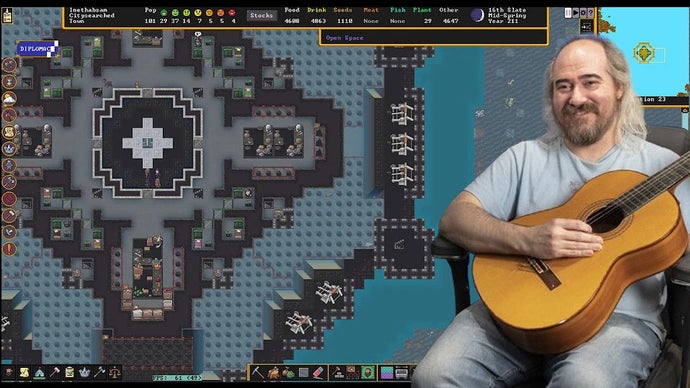
Engaging in a conversation with Tarn Adams is a unique experience; his infectious passion for game development makes him arguably the most optimistic figure in the industry. Alongside his brother, Zach, Adams has spent over two decades meticulously crafting the intricate, procedurally generated universe of Dwarf Fortress. Since its inception in 2002, the project has only grown in ambition, and rather than succumbing to burnout, Adams remains deeply energized by the endless possibilities of his creation.
The Allure of “Scope-Bloated” Simulation
For Adams, the sheer scale of Dwarf Fortress is not a burden, but a playground. “When you are building a simulation that intentionally pushes the boundaries of scope, every day presents a new, fascinating challenge,” he explains. While many modern developers strive for streamlined experiences, Adams finds joy in the “bloat.” This philosophy is currently driving his focus toward one of the most ambitious features yet: a fully procedurally generated magic system.
This isn’t just about adding fireballs or healing spells. Adams envisions a sprawling, interconnected tapestry of lore. He describes it as a “massive web of knowledge” that links generated cosmological truths with deep, evolving mythological histories. By moving away from static, pre-written tropes, he aims to create a system where magic feels like a natural, albeit mysterious, extension of the game’s world-building.
Why Human Ingenuity Trumps Generative AI
In an era where generative AI is being shoehorned into every corner of game development, Adams remains a staunch skeptic. While some studios use AI to churn out assets or dialogue to save time, Adams views this as a shortcut that sacrifices the “soul” of the simulation. To him, the value of Dwarf Fortress lies in the deliberate, human-authored logic that governs its chaotic interactions.
Current industry trends show that while AI-generated content can produce vast quantities of data, it often lacks the cohesive “mythological weight” that Adams prioritizes. By hand-crafting the rules that govern his world, he ensures that every emergent story-whether it’s a fortress falling to a vampire invasion or a legendary artifact being forged-feels earned rather than algorithmically predicted.
Sustaining a Legacy on Steam
The transition to a commercial release on Steam has not dampened the brothers’ creative freedom. If anything, the success of the platform has provided the stability needed to continue their long-term vision. The game’s enduring popularity proves that players are still hungry for deep, complex simulations that respect their intelligence. As the gaming landscape shifts toward shorter, more ephemeral experiences, Dwarf Fortress stands as a testament to the power of long-term, dedicated development.
Whether he is discussing the intricacies of procedural mythology or the technical hurdles of maintaining a two-decade-old codebase, Adams’ enthusiasm remains undimmed. He isn’t just building a game; he is curating a digital history, one complex interaction at a time.