



Toei Animation
The Enduring Legacy of the Saiyan Warrior
Few franchises have left as indelible a mark on global pop culture as “Dragon Ball.” For over four decades, it has served as the definitive blueprint for the shonen genre, establishing narrative conventions and character archetypes that remain industry standards today. While Akira Toriyama’s original vision for the series was fluid-often evolving in real-time to satisfy the shifting demands of his audience-the result was a cultural phenomenon that transformed the landscape of animation forever.
Goku: The Gold Standard of Protagonists
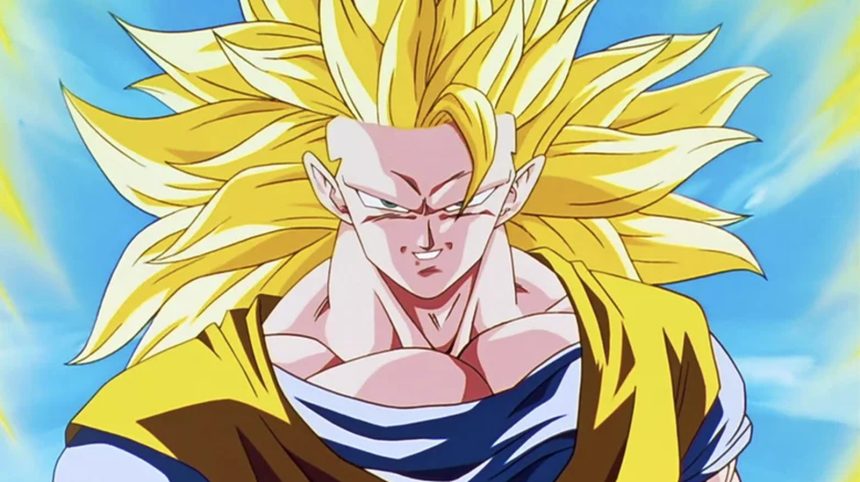
At the heart of this legacy is Son Goku, a character who transcends his own series to become the quintessential anime hero. His influence is pervasive; the “hard-working, bottomless-pit-for-a-stomach” protagonist trope found in modern hits like “My Hero Academia” or “Black Clover” owes a direct debt to Goku’s personality and growth trajectory.
Interestingly, the evolution of the superhero archetype has become a two-way street. Just as Goku was initially conceptualized through the lens of Western icons like Superman, the modern portrayal of the Man of Steel has increasingly mirrored the high-stakes, power-scaling intensity of the Saiyan warrior. As noted by industry figures like James Gunn, the lines between DC’s flagship hero and anime’s greatest fighter have blurred, cementing Goku’s status as the ultimate benchmark for power in fiction.
Measuring the Peak of Power
In the current landscape of power-scaling debates, Goku remains the primary metric. Whether fans are discussing multiversal threats or god-tier transformations, the conversation almost always circles back to the ceiling of power established by Goku’s various forms. With the franchise continuing to expand through “Dragon Ball Super,” the ceiling continues to rise, keeping the debate over his strongest iterations more relevant than ever.