




Managing Contact Lens Wear with Dry Eye Syndrome: A Practical Guide
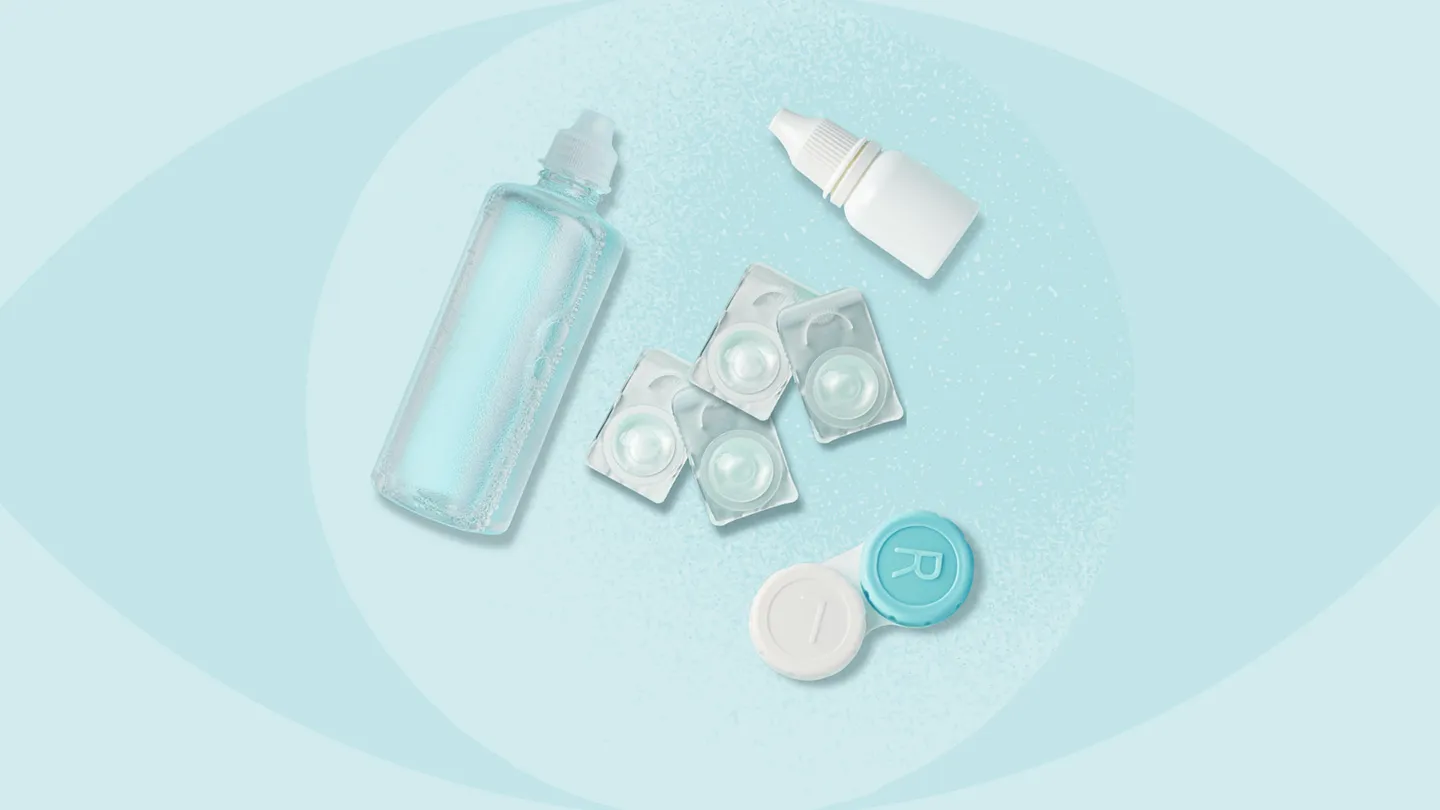
For individuals struggling with dry eye, the prospect of wearing contact lenses can feel daunting. However, achieving all-day comfort is entirely possible with the right strategy. According to Dr. Friedland, the secret lies in lens selection; because certain materials are prone to trapping environmental debris or restricting essential oxygen flow, choosing the correct product is the primary factor in preventing irritation.
If you are looking to maintain ocular health while managing dry eye, consider these expert-backed adjustments to your routine.
Prioritizing Material and Replacement Schedules
The foundation of comfortable lens wear is selecting a product designed to minimize buildup and maximize breathability.
The Advantage of Daily Disposables
Opting for daily disposables is frequently recommended as the gold standard for those with sensitive eyes. Dr. Bade notes that starting every morning with a pristine, sterile lens eliminates the risk of accumulated lipids, proteins, or allergens that naturally gather on lenses worn over multiple days. By discarding the lens each night, you effectively reset your ocular environment every 24 hours.
The Shift to Silicone Hydrogel
Modern advancements in optometry have largely moved away from the traditional hydrogel materials used in the past. Today, the industry standard has shifted toward silicone hydrogel. This material is a game-changer for dry eye sufferers because it is significantly more permeable to oxygen.
Recent clinical data suggests that high oxygen transmissibility is vital for maintaining the integrity of the corneal surface. By allowing the eye to “breathe” more effectively, silicone hydrogel lenses help mitigate the common “end-of-day fatigue” that many contact lens wearers experience. When the cornea receives adequate oxygen, the eyes remain more resilient against the dryness and irritation that typically occur after several hours of wear.
Proactive Habits for Ocular Comfort
Beyond lens selection, consider these additional strategies to support your eye health:
* Hydration and Environment: Dry eye is often exacerbated by environmental factors like low humidity or prolonged screen time. Using preservative-free artificial tears-specifically those formulated for contact lens wearers-can provide a necessary moisture barrier.
* Blink Frequency: When focusing on digital screens, our blink rate often drops by half. Consciously blinking more frequently helps distribute the tear film across the lens surface, preventing the “gritty” sensation associated with dryness.
* Consultation is Key: If you experience persistent discomfort, it is essential to consult your optometrist. They may suggest specialized lens coatings or fitting adjustments that can significantly improve your daily experience.