



### The Evolution of the Roadster: From Sports Car Dream to Aerospace Ambition
In the fast-paced automotive industry, nine years is a lifetime. It is a duration sufficient for an entire vehicle platform to transition from a blank-slate concept to a fully engineered production model, undergo a mid-cycle refresh, and eventually reach the end of its lifecycle. When Elon Musk first unveiled the cherry-red targa prototype from the cargo bay of the Tesla Semi in 2017, the mission statement appeared straightforward: create a stunning electric vehicle that would decisively outperform the world’s most iconic internal combustion supercars. The initial vision was bold, promising a grand tourer that could shatter range anxiety with a 998 km capacity while simultaneously outperforming the elite engineering coming out of Maranello.
### A Shift in Strategic Direction
However, the vehicle that finally emerged from the shadows recently feels less like the revival of the classic, driver-focused sports car enthusiasts were anticipating and more like a prototype for a high-stakes defense initiative. The narrative has shifted from pure performance on the asphalt to something far more experimental.
### Redefining Performance Metrics
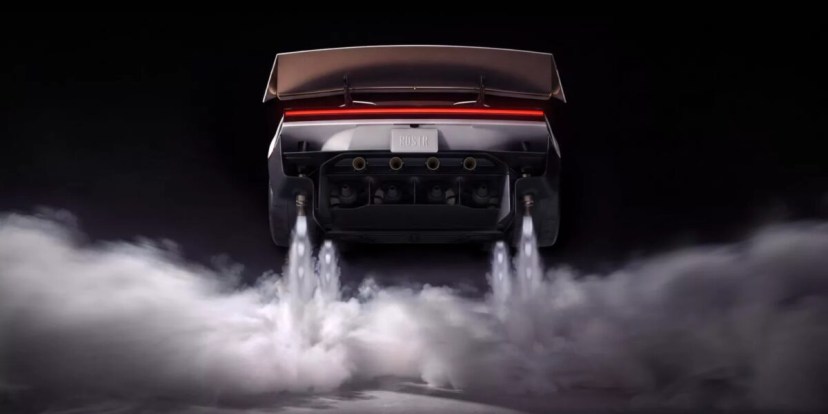
While the original promise focused on traditional metrics-acceleration, range, and handling-the current iteration leans heavily into unconventional technology. By integrating cold-gas thruster systems, Tesla is moving away from the standard “sports car” playbook. This pivot is reminiscent of the aerospace industry’s approach to maneuvering, prioritizing raw, unconventional power over the refined, balanced dynamics typically expected of a luxury grand tourer.
As of 2024, the electric vehicle market has become increasingly crowded, with competitors like Rimac and Pininfarina pushing the boundaries of what battery-electric platforms can achieve. Tesla’s decision to delay and pivot the Roadster suggests that they are no longer just competing with Ferrari or Lamborghini; they are attempting to bridge the gap between automotive engineering and rocket science. Whether this “corporate defense” aesthetic will resonate with the purists who have been waiting nearly a decade remains to be seen, but it certainly marks a departure from the original dream of a simple, high-performance electric sports car.