


The Robotics Industry: Why We Are Still in the Foundation Phase
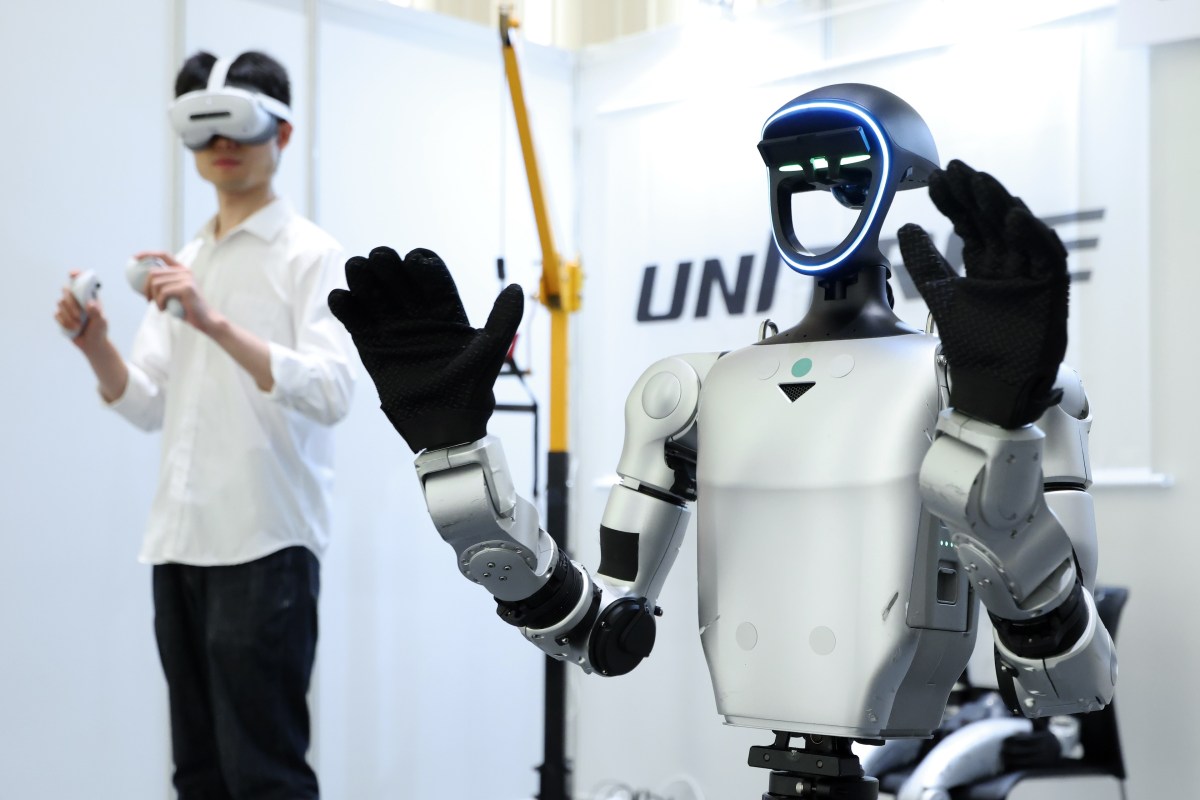
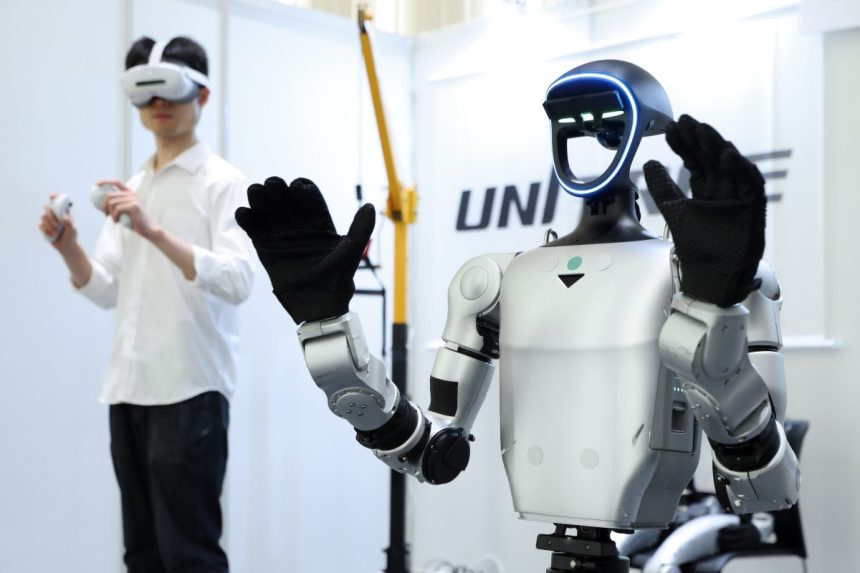
For years, the tech industry has been buzzing with the anticipation of a “ChatGPT moment” for robotics-a singular, transformative event where a general-purpose foundation model suddenly makes complex automation accessible to everyone. However, Amulya Vishwanath, a veteran who spent seven years spearheading product marketing for NVIDIA’s robotics division, offers a more grounded perspective. She argues that we are not on the brink of a sudden explosion; rather, we are currently in the “Lego era” of robotics.
In this developmental stage, the industry is focused on refining the fundamental components-actuators, sophisticated end-effectors, software stacks, and rigorous safety protocols. Much like a child assembling a complex structure, the field is still perfecting the individual bricks before it can build the skyscraper. This stands in stark contrast to the views of figures like General Intuition CEO Pim de Witte, who has previously suggested that a universal foundation model could render current specialized robotics efforts obsolete almost overnight.
From NVIDIA Executive to Venture Capitalist
Vishwanath’s transition from a high-level executive at NVIDIA to the founder and managing partner of Techable VC marks a significant shift in the investment landscape. As one of the pioneering women to spin out of NVIDIA and launch an early-stage firm, she is now applying her deep technical expertise to identify the next generation of winners in physical AI.
Her investment thesis at Techable VC is broad yet highly technical, focusing on the intersection of:
- Robotics: Moving beyond simple automation toward adaptive, intelligent systems.
- Materials Science: Developing the physical substrates that allow robots to interact more naturally with the world.
- Life Sciences: Integrating AI-driven robotics into healthcare and biological research.
The Reality of Physical AI
While software-based AI has seen exponential growth, physical AI faces the “reality gap”-the difficulty of translating digital intelligence into reliable physical movement. According to recent industry data, while generative AI investment surged by over 400% in the last two years, robotics hardware startups are seeing a more measured, deliberate growth pattern. This aligns with Vishwanath’s assessment: the hardware must catch up to the software’s potential before we can truly claim a “ChatGPT moment” for the physical world.
To hear more about Vishwanath’s journey and her outlook on the future of hardware-focused venture capital, listen to the latest episode of TechCrunch’s Equity podcast. Host Dominic-Madori Davis dives deep into the challenges of building a firm in the current economic climate and the specific traits Vishwanath looks for in founders.
You can catch the full conversation by subscribing to Equity on YouTube, Apple Podcasts, Overcast, or Spotify. For real-time updates and behind-the-scenes content, follow the show on X and Threads at @EquityPod.
This episode was produced by Theresa Loconsolo, an audio producer at TechCrunch.