



Can Liquid Nutrition Sustain You? The Truth About Meal Replacement Shakes
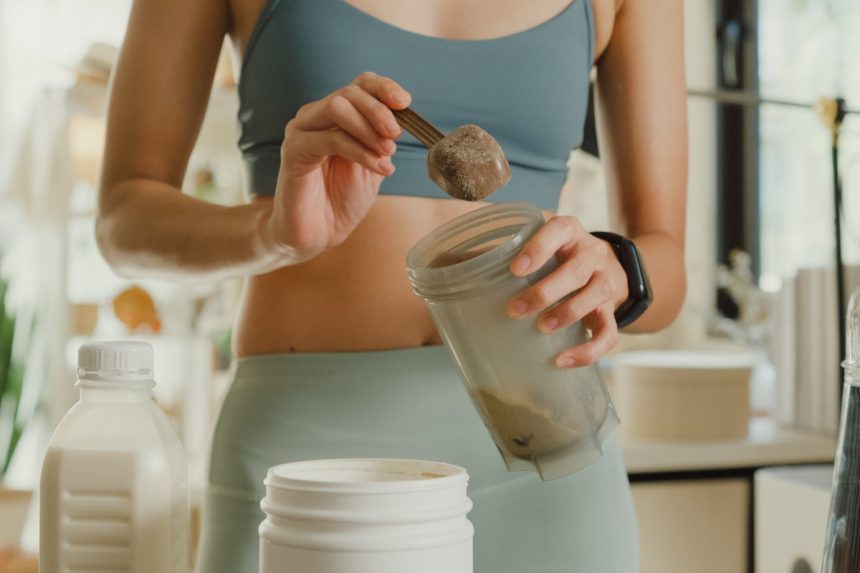
When you’re feeling sluggish and your stomach is signaling that it’s time for a refuel, your first instinct might be to grab a solid snack. While reaching for a blender isn’t always the default move, nutritionists suggest that smoothies can be an efficient and healthy option to bridge nutritional gaps, provided they aren’t your sole source of sustenance.
The Rise of Liquid Protein
The popularity of drinkable nutrition is surging, driven largely by the modern obsession with “protein-maxxing.” This shift is backed by data; the Circana Eating Patterns in America report highlights that nearly half of all U.S. adults (over 48 percent) are actively prioritizing higher protein intake. This trend is further amplified by the widespread adoption of GLP-1 weight loss medications, which have fundamentally changed how people approach their daily caloric intake.
Why Your Body Craves More Than a Shake
While it is tempting to view a protein-packed drink as a convenient substitute for a sit-down meal, experts urge caution. If you are constantly battling energy slumps, relying on liquids might be part of the problem rather than the solution.
Think of your digestive system like a high-performance engine; it requires complex, whole-food fuel to maintain steady output. Just as a car cannot run indefinitely on a fuel additive alone, your body needs the fiber, texture, and diverse micronutrients found in whole foods to function optimally. Relying exclusively on shakes can lead to a “crash and burn” cycle because liquid calories are processed much faster than solid meals, often leaving you hungry again within an hour.
Expert Perspective: The Long-Term Outlook
Nutritionists emphasize that while shakes are excellent for convenience, they were never intended to replace the foundational role of breakfast, lunch, and dinner. The reality is that these products are often highly processed and lack the satiety-inducing properties of whole ingredients.
Before you swap your kitchen table for a shaker bottle, consider these factors:
* Nutrient Density: Whole foods provide a complex matrix of vitamins and minerals that are difficult to replicate in a lab-formulated powder.
* The Psychological Aspect: The act of chewing is a vital part of the digestive process, signaling to your brain that you are satisfied.
* Sustainability: A diet based on liquids is rarely sustainable for the long term and can lead to a strained relationship with food.
Ultimately, while shakes can be a useful tool for those with busy schedules or specific fitness goals, they should be viewed as a supplement to-not a replacement for-a balanced, whole-food diet.