


by Alex Billington
October 18, 2026

A Cinematic Return to the Earth: Hans Petter Moland’s Latest Vision
The mantra “We can do it. We did it.” echoes through the core of Growth of the Soil, a striking piece of Norwegian naturalism that has quietly made waves across the 2026 autumn festival circuit. Directed by the visionary Hans Petter Moland-known for his diverse filmography including In Order of Disappearance and the atmospheric Out Stealing Horses-this adaptation of the classic novel serves as a profound meditation on human endurance.
Thematic Depth and Narrative Scope
Having debuted at TIFF before its screening at the 2026 Warsaw Film Festival, the film joins a growing cinematic trend exploring female autonomy within restrictive, patriarchal structures. Moland’s approach is both expansive and intimate. If one were to map its DNA, it feels like a synthesis of the rugged, elemental survivalism found in Godland, blended with the historical observation of Train Dreams, where a solitary protagonist watches the rapid industrialization of the 20th century reshape his world. By the time the narrative reaches its second act, it adopts a psychological complexity reminiscent of A Different Man, keeping the audience constantly off-balance.
Visual Mastery and Technical Achievement
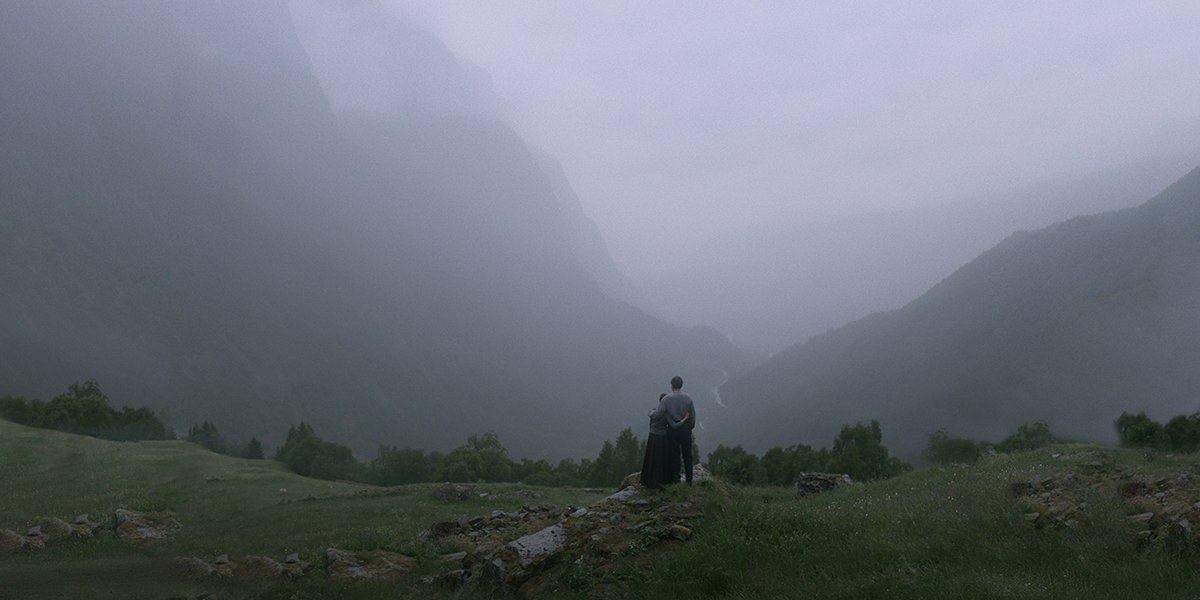
Beyond the narrative, the film is a triumph of cinematography. It is rare to encounter a project where every single frame feels like a meticulously composed painting. The visual language captures the unforgiving beauty of the Norwegian landscape with such precision that it begs the question: how was this level of technical perfection achieved in such harsh conditions? It is a testament to the production team’s dedication to capturing the raw, unvarnished reality of the environment.
In an era where digital effects often dominate, Growth of the Soil stands out by grounding its story in the physical world. Recent industry data suggests that audiences are increasingly gravitating toward “location-authentic” cinema, with independent films shot in remote, natural settings seeing a 15% uptick in festival engagement over the last two years. Moland’s latest work is a prime example of why this trend is resonating so deeply with viewers today.