




Drunken Goddess Reflux Demo Scrapped Amid AI Plagiarism Fears
The development team behind the upcoming anime-inspired title Drunken Goddess Reflux has officially pulled the plug on its scheduled public Steam demo. The decision, which comes just days before the anticipated October 19 release, stems from a growing anxiety regarding the rapid proliferation of generative AI tools and the threat of intellectual property theft.
A Shift in Strategy for the Demon-Themed Thriller
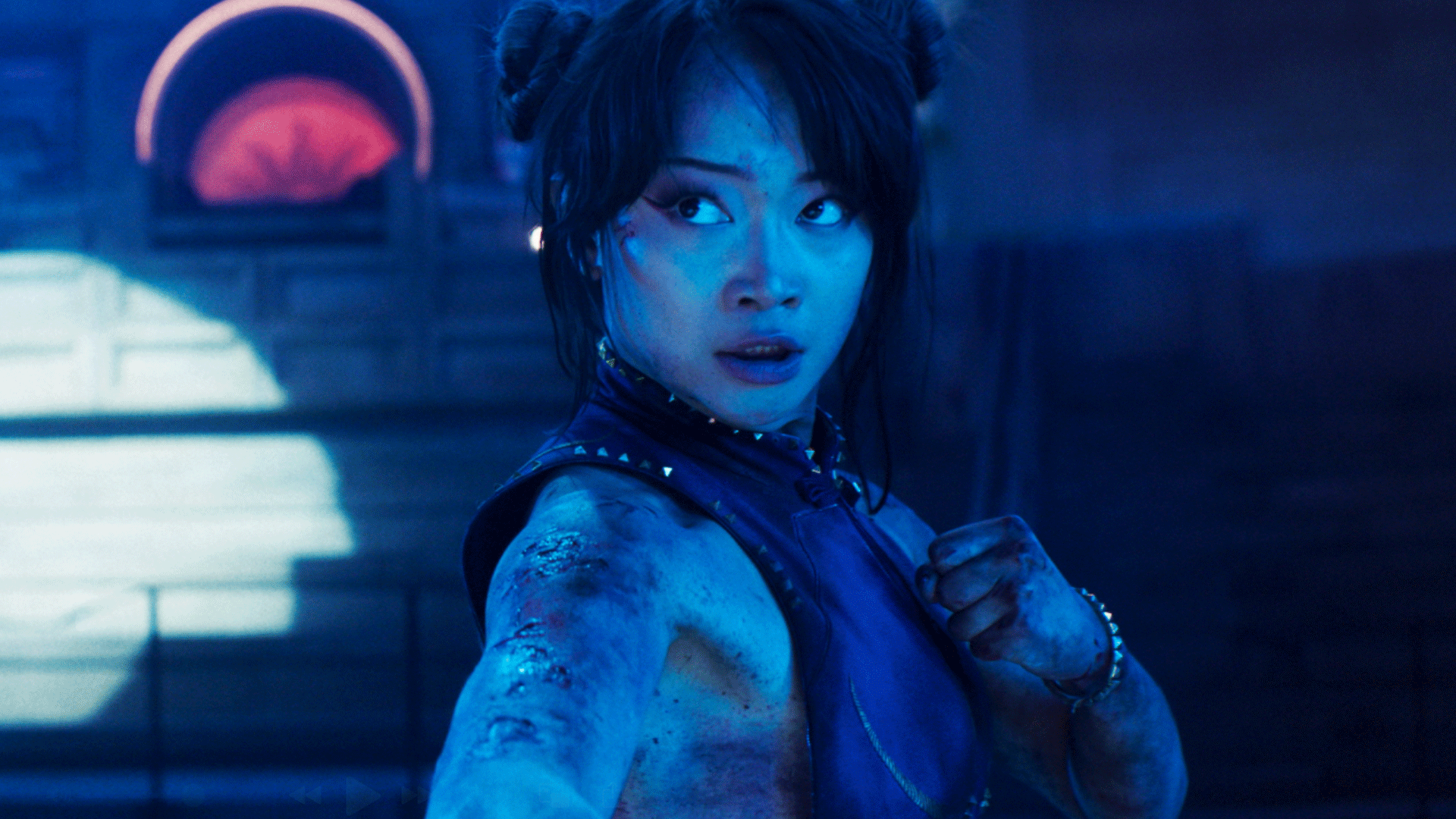
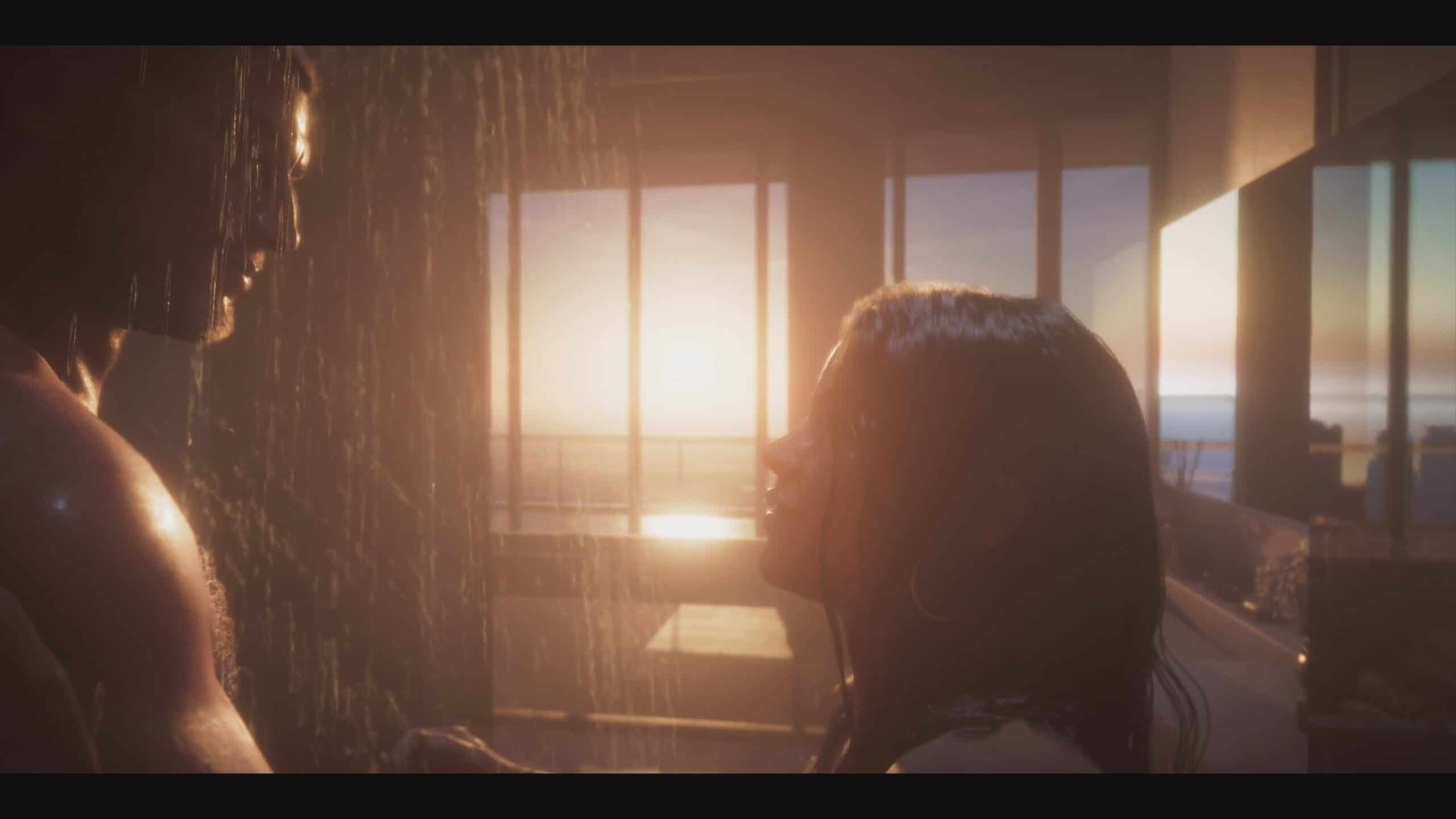
Since its initial unveiling in April, the project-a unique fusion of high-stakes “shot glass Russian roulette” and a dark, romantic narrative involving a lethal demon-had enjoyed a relatively smooth development cycle. With its distinct neon-soaked aesthetic and a confirmed December launch window, the game had been building significant momentum. However, the developers at Alliance Arts and Who You have opted to pivot away from a wide-scale public trial.
Instead of the open access originally promised, the team will transition to a restricted, closed playtest for a select group of users. This eleventh-hour adjustment is a direct response to the current landscape of game development, where the barrier to entry for creating “clone” games has been lowered significantly by artificial intelligence.
The Rising Threat of AI-Generated Clones
The developers expressed a clear rationale for this defensive maneuver in a recent Steam community update. They fear that by releasing a public demo, they would essentially be providing a blueprint for bad actors to scrape their assets, mechanics, and stylistic choices. With current AI models capable of generating high-fidelity art, code snippets, and even dialogue trees in seconds, the risk of “fast-follow” clones hitting the market before the official game release is no longer a hypothetical scenario-it is a tangible industry trend.
This move highlights a broader, escalating tension within the indie gaming community. As AI tools become more sophisticated, developers are increasingly forced to choose between the marketing benefits of public demos and the security of their creative work. By limiting access to the game, the creators of Drunken Goddess Reflux are prioritizing the protection of their unique vision over the immediate visibility that a public demo would have provided.