





The Future of SteamVR: Bigscreen Beyond 2 and the Shift Away from Base Stations
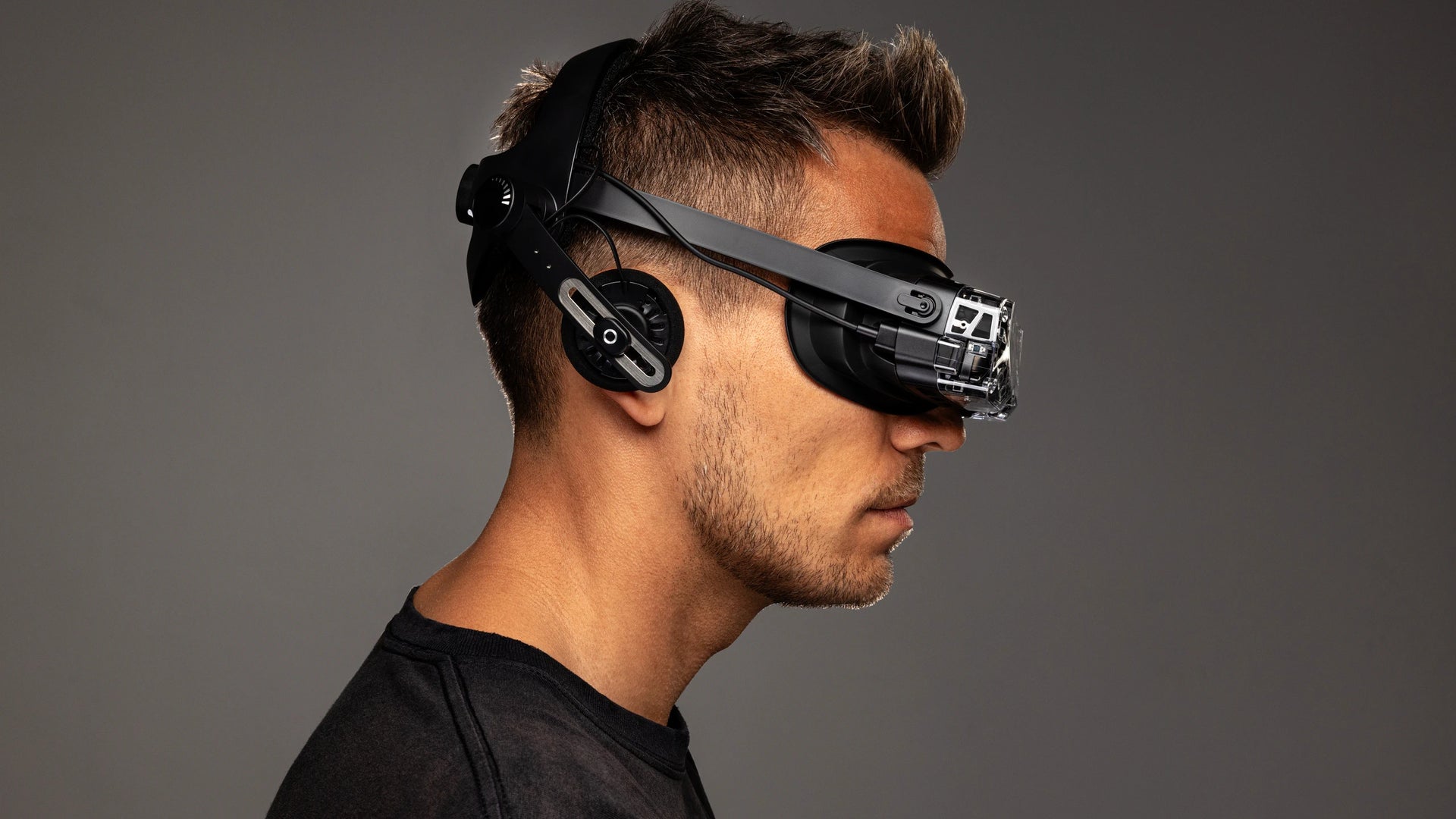
The landscape of high-end virtual reality is undergoing a significant transformation. Bigscreen has officially announced that it is developing a specialized 3DoF (three degrees of freedom) mode for the upcoming Beyond 2 headset. This development is particularly noteworthy because it allows the device to function entirely without the need for external SteamVR base stations.
According to Bigscreen’s October 17 update, this new functionality is designed to track rotational head movement-meaning the headset will recognize where you are looking-without requiring the complex room-scale tracking setup that has defined the SteamVR ecosystem for years. This shift is intended to make the Beyond 2 a more versatile tool for consuming flat-screen media, such as movies or desktop applications, in environments where setting up external sensors is impractical or impossible.
By removing the reliance on external tracking hardware, Bigscreen aims to simplify the user experience for stationary VR tasks. Image: Bigscreen
Are SteamVR Base Stations Becoming Obsolete?
The move toward a 3DoF-capable mode raises broader questions about the longevity of the SteamVR tracking standard. As standalone headsets like the Meta Quest series and Apple Vision Pro continue to dominate the market with inside-out tracking, the reliance on “Lighthouse” base stations-which require mounting hardware in corners of a room-has become a point of friction for many enthusiasts.
To address these industry concerns, Bigscreen shared a direct statement from HTC regarding the future of this hardware. The quote provided by Bigscreen reads: “If there is a plan to discontinue Steam VR Base Stations,” suggesting that the industry is currently at a crossroads regarding legacy tracking peripherals. While inside-out tracking has become the gold standard for consumer convenience, the professional and enthusiast sectors are still weighing the trade-offs between the precision of base stations and the ease of use offered by modern sensor-less alternatives.