





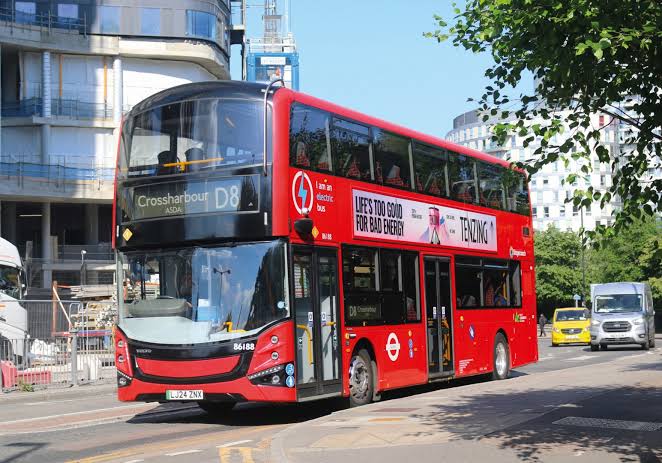
New Crackdown on Public Transport Nuisances
Commuters across England who insist on playing loud audio or video content from their mobile devices on buses may soon face financial consequences. Under fresh government directives designed to tackle antisocial conduct, authorities are moving to implement fixed penalty notices reaching as high as £100.
Expanding Enforcement Beyond Noise
The Department for Transport’s latest strategy extends beyond just noise pollution. The initiative also addresses other common grievances, including vaping, littering, and aggressive or intimidating behavior. To facilitate this, local councils are being empowered to draft and enact byelaws-pending final sign-off from the Transport Secretary-that grant designated officers the authority to issue these fines.
Crucially, the burden of enforcement will not fall on bus drivers. Instead, the responsibility lies with police and specialized Transport Safety Officers. These officials are instructed to follow a structured escalation process: beginning with verbal engagement and explanation, and moving toward formal action only if the disruptive behavior persists.
A Unified Approach to Travel Etiquette
This bus-focused initiative mirrors a broader national effort currently targeting the rail network. The campaign, branded with the mantra “share the carriage, not the noise,” highlights the growing intolerance for public disturbances. While bus regulations are currently being formalized, rail operators already possess significant leverage; they can eject passengers or impose fines of up to £1,000 for those who refuse to use headphones.
The push for quieter, more respectful travel is gaining political momentum. Prime Minister Andy Burnham emphasized the necessity of these changes, noting that the common experience of being subjected to someone else’s loud media can turn a routine commute into a source of significant irritation. “It’s a simple thing, but one that will make journeys that little bit better for all of us,” Burnham stated.
Why the Shift Matters
Transport Secretary Heidi Alexander echoed these sentiments, pointing out that the selfish habits of a small minority frequently degrade the experience for the majority of passengers. As urban density increases and public transport usage remains a vital component of daily life, maintaining a baseline of mutual respect has become a priority for policymakers. Similar to how “quiet zones” have become standard in libraries or professional workspaces, these new rules aim to establish a standard of digital etiquette that protects the peace of the collective.