




Expanding the Path to Glory: The EWC 2027 Qualifier Revolution
The Esports World Cup (EWC) is undergoing a massive structural shift for 2027, democratizing access to its global stage. By decentralizing the qualification process, the organization is inviting a diverse array of stakeholders-ranging from collegiate esports programs and neighborhood gaming lounges to independent tournament operators-to become official gateways to the international championship.
A Grassroots Approach to Global Competition
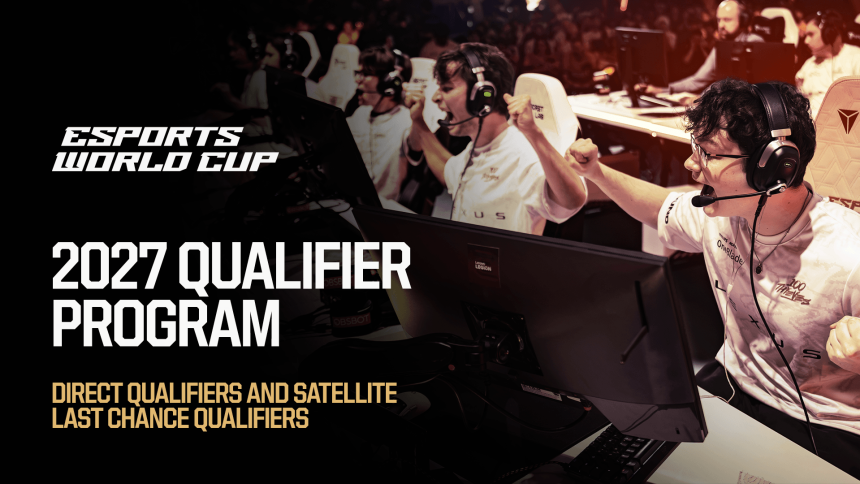
Unveiled on October 19, the “EWC Qualifier Program” serves as the cornerstone of the broader “Road to EWC” initiative. The ambition behind this project is staggering: organizers aim to engage a massive pool of 1.8 million participants across a global circuit of over 400 distinct events throughout 2027. This move effectively lowers the barrier to entry, allowing talent to be scouted from local hubs rather than relying solely on established professional circuits. Applications for organizers looking to host these sanctioned events are currently being accepted on a global scale.
The New Competitive Pipeline
The most significant evolution in this year’s format is the integration of local qualifiers into the prestigious “Last Chance Qualifier” (LCQ) tournaments. This creates a tiered ecosystem where a victory at a local cyber café or university tournament can serve as the first step toward a professional career on the world stage.
This expanded qualification framework will debut with a curated selection of titles, ensuring a mix of tactical shooters, fighting games, and strategy:
* Tactical FPS: Counter-Strike 2
* Fighting Games: Street Fighter 6 and FATAL FURY: City of the Wolves
* Strategy: Chess
Why This Matters for the Industry
By fostering a “bottom-up” competitive structure, the EWC is mirroring the growth patterns seen in traditional sports like soccer or basketball, where local leagues feed into regional and national championships. This strategy not only increases the total number of professional-grade matches but also provides a sustainable revenue stream for local gaming venues that have historically struggled to host high-stakes, officially recognized events. As the esports landscape continues to mature, this inclusive model could set a new industry standard for how global tournaments identify and nurture emerging talent.
How Will the New EWC 2027 Qualifiers Work? » More Info >>>