




The Smart Home Paradox: Why Fragmentation is Failing Us
As a professional reviewer of smart home technology, I spend my days evaluating the latest gadgets. Yet, ironically, my own living space has become a chaotic digital patchwork. My residence is currently a sprawling ecosystem of disparate brands: Hue lighting, Govee ambient lamps, Dreo smart ceiling fans, TP-Link power outlets, Eufy security cameras, and automated Whisker litter boxes, alongside various robot vacuums.
To keep this menagerie of hardware somewhat synchronized, I rely on an Amazon Echo Show 8 as a central hub. While the setup technically works, it is far from seamless. It is a “functional” mess-a reality that highlights the industry’s struggle with interoperability. According to recent industry data, the average smart home user now manages over 10 connected devices, yet nearly 60% of consumers report frustration with app fatigue and connectivity drops.
A New Vision: Can Apple’s HomeView Bridge the Gap?
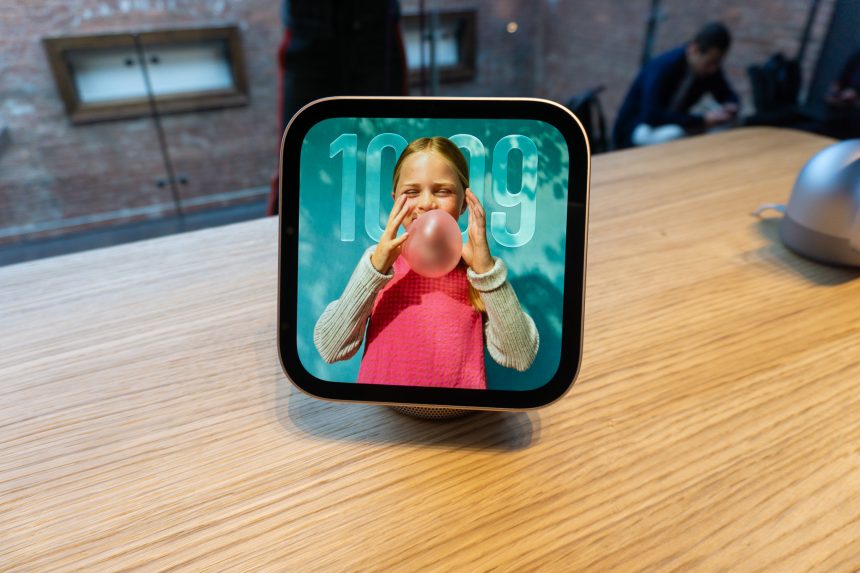
The industry is desperate for a more cohesive experience, and Apple is positioning its upcoming HomeView smart display as the definitive solution to this fragmentation. The promise is simple: a unified, intuitive interface that finally makes the “smart home” feel truly intelligent rather than just a collection of remote-controlled parts.
I recently had the opportunity to attend Apple’s Welcome Home event in New York City. During an extensive hour-long hands-on session, I tested the HomeView across several simulated environments. Unlike the “bolted-together” approach I use at home, the HomeView aims to act as a native conductor for the entire household, prioritizing fluid interaction over mere command-and-control functionality. If Apple can successfully bridge the gap between these competing ecosystems, it may finally move the smart home from a hobbyist’s chore to a genuine household utility.