

# M.I.A.’s Iconic “Paper Planes” Hits 1 Billion Spotify Streams Milestone
Nearly twenty years after its initial debut, M.I.A.’s genre-defying anthem “Paper Planes” has officially joined the prestigious “Billions Club” on Spotify. This achievement underscores the track’s enduring cultural footprint, proving that its sharp social commentary and infectious hook remain as resonant today as they were in 2007.
## A Legacy Built on Sampling and Collaboration
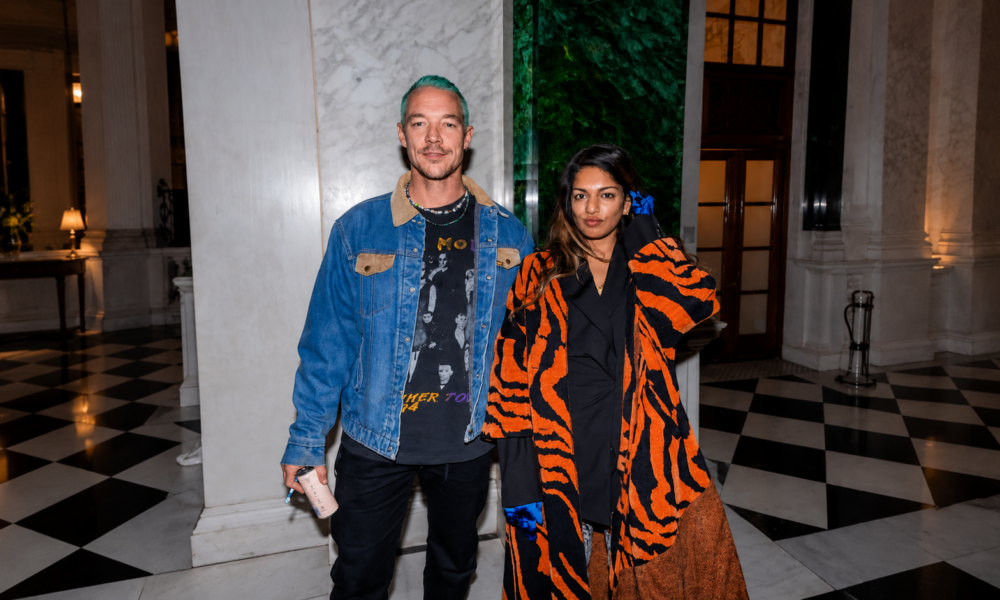
The track, a standout feature of the critically acclaimed album *Kala*, was the result of a creative partnership between M.I.A. and producer Diplo. By weaving in a distinct, recognizable sample from The Clash’s “Straight to Hell,” the production team crafted a soundscape that felt both nostalgic and revolutionary. With additional production polish from Switch, the song transcended its indie-electronic roots to become a global phenomenon.
The song’s commercial trajectory was nothing short of remarkable. It climbed to the No. 4 spot on the Billboard Hot 100 and secured a nomination for Record of the Year at the Grammy Awards. Its ubiquity was further cemented by its inclusion in major cinematic projects, most notably the cult-classic comedy *Pineapple Express* and the Academy Award-winning *Slumdog Millionaire*, which introduced the track to entirely new demographics.
## The Origin Story: From Studio Spontaneity to Global Protest
The creation of “Paper Planes” was characterized by a sense of raw, unfiltered urgency. M.I.A. has often described the vocal recording process as a singular, spontaneous event-a one-take performance captured shortly after waking up. While the technical production was a collaborative effort, the lyrical depth was born from the artist’s personal struggles.
At the time of the *Kala* sessions, M.I.A. was navigating significant hurdles regarding her U.S. visa status. This friction with bureaucratic systems and the feeling of being an outsider heavily influenced the song’s biting satire on immigration, consumerism, and the perception of “the other.” Rather than a calculated pop hit, the song served as a visceral reaction to the geopolitical climate of the mid-2000s.
Today, the song’s success serves as a testament to how authentic, politically charged art can withstand the test of time, evolving from a niche experimental track into a permanent fixture of modern music history.