


Transforming Digital Interaction: Google Gemini’s New Social Avatar Features
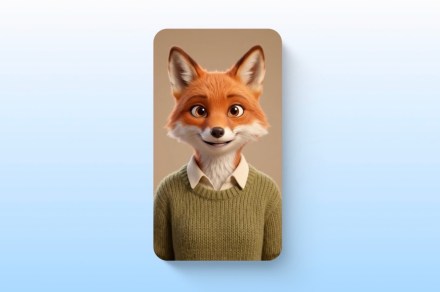
The landscape of generative AI is shifting from a solitary experience to a collaborative social playground. Google has officially rolled out updates to its Gemini personal AI avatars, moving beyond simple self-representation to a shared, interactive ecosystem. Users can now grant friends access to their digital likeness, enabling the creation of joint AI-generated media that features multiple people in a single frame.
Collaborative Creativity: Tagging and Shared Likenesses
The latest update fundamentally changes how we interact with synthetic media. Rather than being limited to solo appearances, you can now invite your social circle into your creative process. By tagging friends within your prompts, Gemini can synthesize scenes where you and your peers appear together, maintaining consistent facial features and vocal characteristics across various generated outputs.
This functionality acts much like a digital casting call. Whether you are planning a virtual reunion or simply experimenting with creative storytelling, the platform ensures that the “actors” in your AI-generated videos remain recognizable. To maintain privacy and security, Google has implemented a robust permission system: you retain full authority over your digital identity, allowing you to grant or revoke access to your avatar at any time.
How to Launch Your Social Avatar
To begin participating in this shared digital space, you must first establish your baseline identity within the Gemini ecosystem. The process involves training the model on your unique physical and auditory traits.
- Access the Interface: Navigate to gemini.google.com on your desktop browser.
- Initiate Setup: Locate the text input field at the bottom of the screen. Click the “Add Files” icon, followed by the “More” option, and select “Avatar.”
- Sync Your Device: A QR code will appear on your screen. Use your smartphone to scan this code, which will guide you through the necessary facial and voice recording steps to calibrate your AI twin.
The Future of AI-Driven Social Media
As of late 2026, the integration of personal identity into generative models is becoming a standard expectation rather than a novelty. With recent industry data suggesting that over 60% of social media users are interested in personalized AI content, Google’s move to make avatars “social” is a strategic step toward deeper user engagement. By allowing friends to star in each other’s content, Google is effectively turning Gemini into a collaborative studio, bridging the gap between static social media posts and dynamic, AI-assisted storytelling.
- Google Gemini (@GeminiApp) October 29, 2026