



# The Return of a Classic: Motorola Revives the “Moto One” Brand with Flagship Power
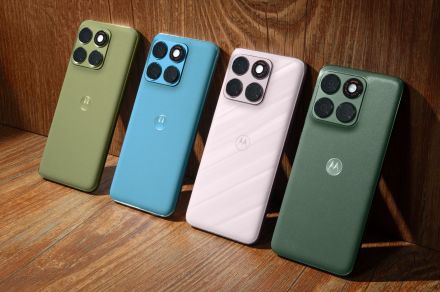
While the tech world is currently buzzing about the upcoming Signature 27 flagship-a device poised to push boundaries with its staggering 12,000-nit Tandem OLED panel and a massive 200-megapixel periscope lens-Motorola is quietly orchestrating a surprise revival. Recent database entries indicate that the company is breathing new life into a moniker that has been dormant for years: the Moto One.
## A Legacy Reimagined
The “One” branding holds a specific place in Motorola’s history. Debuting in 2018, the series was originally conceived as a vehicle for Google’s Android One initiative, offering users a streamlined, bloatware-free software experience. Over the years, the line became a sandbox for innovation, producing unique devices like the One Vision, the action-oriented One Action, and the photography-focused One Zoom.
After the transition to 5G-enabled models, the branding faded into the background. However, fresh certification filings and benchmark results suggest that Motorola is ready to pivot, moving the “One” name away from its mid-range roots and positioning it as a serious contender in the high-performance market.
## Flagship Performance Under the Hood
Unlike the budget-conscious devices of the past, this new iteration of the Moto One appears to be built for power users. According to a recent Geekbench listing, the device is expected to house Qualcomm’s Snapdragon 8 Gen 5 processor.
This shift is significant. By pairing a top-tier chipset with the “One” branding, Motorola is signaling a departure from the series’ original identity as a software-focused mid-ranger. Industry analysts note that this move mirrors the broader trend of manufacturers consolidating their portfolios to focus on premium hardware, much like how Samsung streamlined its Galaxy S series to dominate the flagship space.
## Why the Timing Matters
The smartphone market is currently seeing a resurgence in demand for “clean” software experiences combined with raw power. With the integration of advanced AI features-which now require significant NPU (Neural Processing Unit) overhead-the Snapdragon 8 Gen 5 will likely provide the necessary headroom for the Moto One to compete with the latest offerings from Google and Samsung.
As Motorola continues to refine its design language, the return of the Moto One could serve as the perfect bridge between their experimental hardware projects and their mainstream consumer devices. Whether this device will maintain the “clean” software ethos of its predecessors remains to be seen, but the hardware specifications alone suggest that the Moto One is no longer just a budget-friendly experiment.