
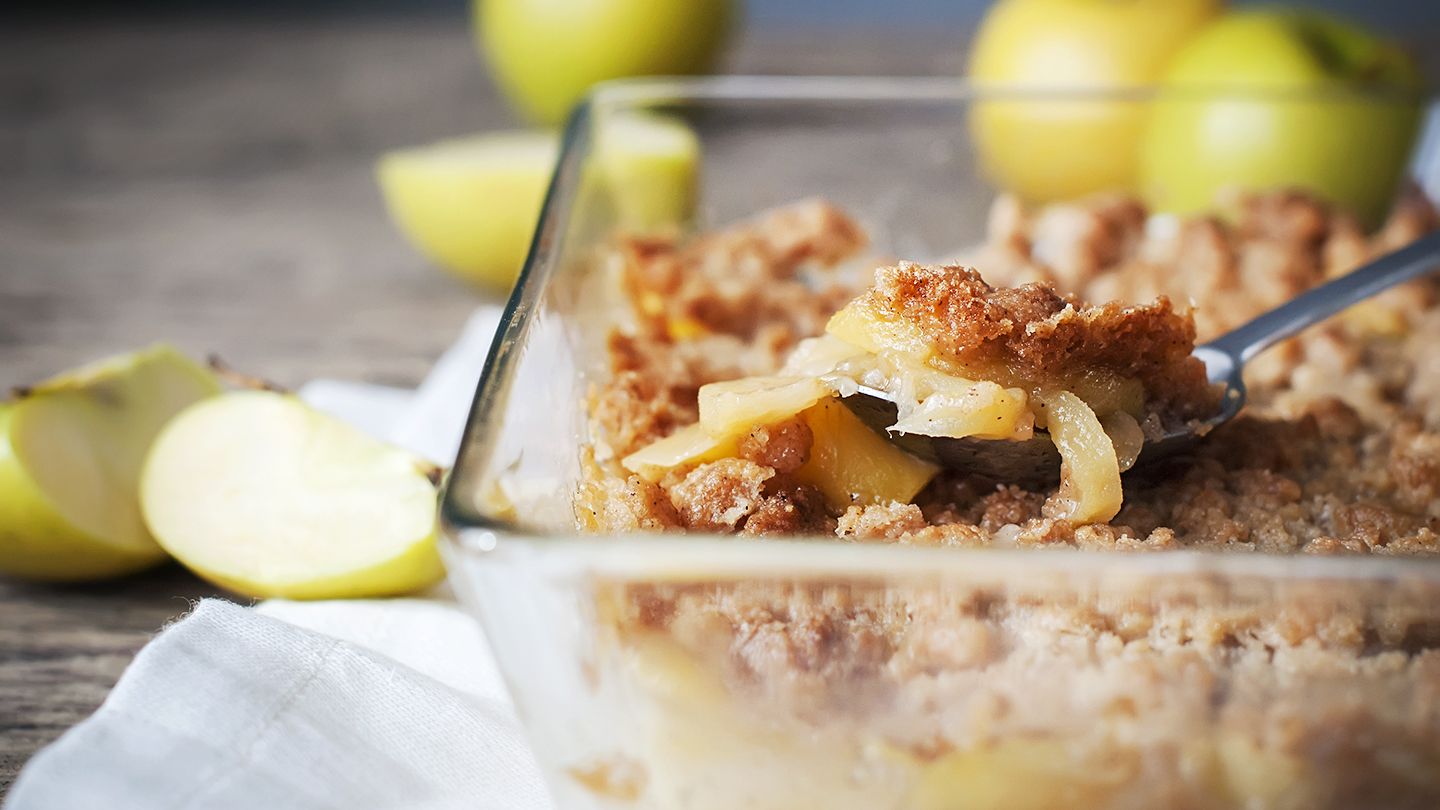




The Nutritional Reality Behind Your Favorite Autumn Dessert
While a warm slice of apple pie is synonymous with cozy autumn evenings, it is important to recognize that this classic treat is more of a sugary indulgence than a source of genuine nourishment. Relying on pie to get your fruit intake is a nutritional misconception that often overlooks how processing strips away the very benefits apples are known for.
The Hidden Cost of Peeling
The primary issue begins with the preparation process. Most traditional pie recipes call for peeled apples, a step that inadvertently discards the most nutrient-dense part of the fruit. By removing the skin, you are essentially stripping away a significant portion of the apple’s health profile.
Consider the stark difference in fiber content: a medium apple consumed with its skin intact provides roughly 4.37 grams of fiber, whereas a peeled apple drops to a mere 2.1 grams. Beyond fiber, the skin acts as a reservoir for essential micronutrients. Research indicates that peeling an apple results in the loss of:
- 41% of its Vitamin A content
- 23% of its vitamin C
- A staggering 76% of its fiber-supporting Vitamin K
Beyond the Fruit: The Impact of Crust and Additives
When you transform apples into a pie, they are typically submerged in heavy syrups and encased in a buttery, refined-flour crust. This combination shifts the nutritional balance from a healthy snack to a calorie-dense dessert.
A standard slice of pie crust alone contributes approximately 80 calories and 4 grams of total fat to your plate. Of that fat content, 1.5 grams are derived from saturated fat, which is often linked to cardiovascular concerns when consumed in excess. When you factor in the added refined sugars used to sweeten the filling, the glycemic impact of the dessert increases significantly, far outweighing the minor nutritional contributions of the cooked fruit.
A Smarter Approach to Seasonal Flavors
If you are looking to enjoy the essence of autumn without the nutritional drawbacks of a traditional pie, consider alternatives like baked apples with cinnamon or a fruit-forward crisp that retains the skin. By keeping the peel on and reducing the reliance on heavy, fatty crusts, you can enjoy the seasonal flavors while actually benefiting from the vitamins and minerals that nature intended.