




Winter-Proofing Your Vehicle: Essential Maintenance for Cold Weather
As the frost settles and the calendar turns toward the harshest months of the year, drivers face a significant increase in road hazards. The combination of plummeting temperatures, reduced daylight hours, and the accumulation of road salt and grit creates a challenging environment that can rapidly degrade your car’s mechanical health and exterior finish.
However, you don’t have to be at the mercy of the elements. By taking a proactive approach to maintenance, you can significantly mitigate these risks. Preparation can make a substantial difference in both your safety and your vehicle’s longevity. Below, we outline the critical steps to ensure your transport is ready for the winter season.
Prioritizing Tire Integrity
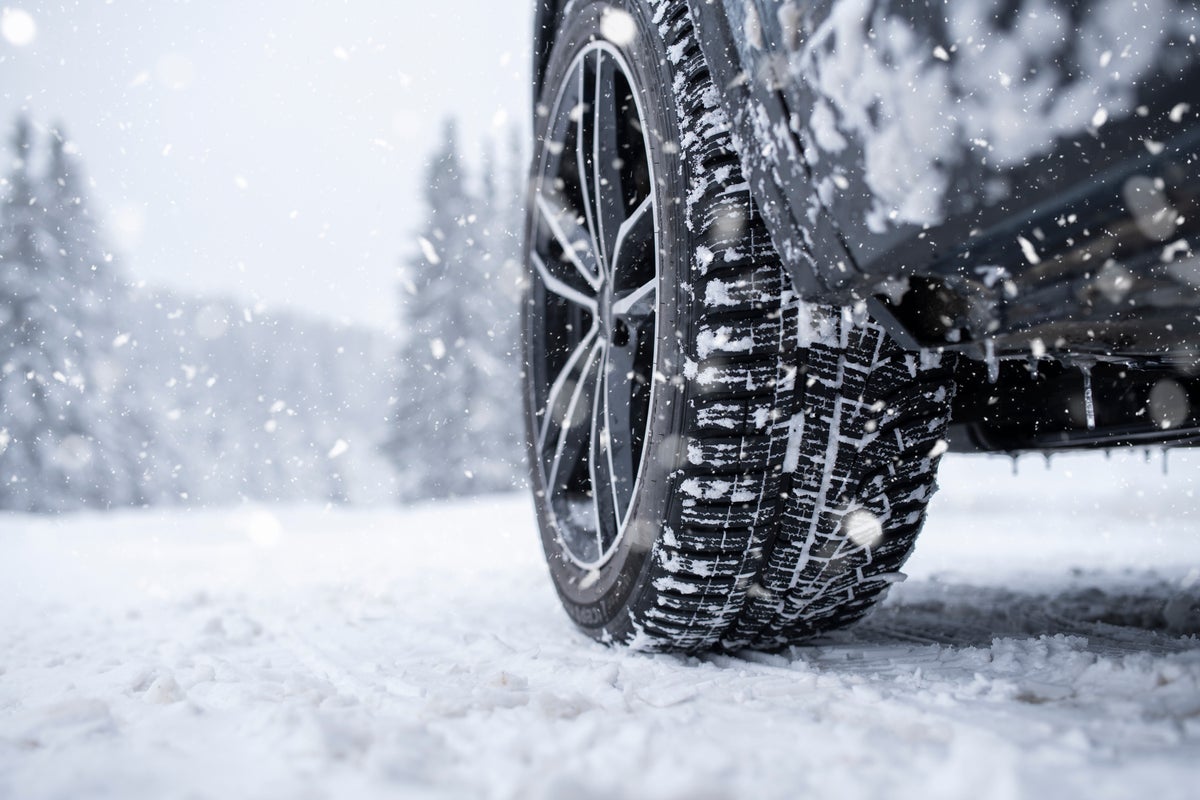
Your tyres serve as the primary interface between your vehicle and the roads, making them the most vital component to inspect before the first freeze. When temperatures drop, rubber compounds naturally harden, which can reduce traction. Furthermore, winter tyres are tasked with the heavy lifting of displacing slush and standing water to maintain a firm grip on slick surfaces.
To ensure your safety, perform a thorough visual inspection of the sidewalls. Keep an eye out for any unusual bulges, deep cuts, or embedded debris, as these structural weaknesses can lead to a dangerous blowout at high speeds. Additionally, verify your tread depth; the legal minimum is 1.6mm, but for winter driving, many experts recommend at least 3mm to ensure adequate water evacuation.
Recent industry data suggests that nearly 25% of roadside breakdowns during the winter months are directly linked to tyre-related issues, such as under-inflation or excessive wear. Checking your pressure regularly is just as important as checking the tread, as cold air causes tyre pressure to drop, which can negatively impact your fuel economy and handling.