


Mastering the Art of Budget-Friendly Retro Gaming
The pursuit of classic gaming doesn’t have to drain your bank account. While the secondary market for vintage titles has seen a significant surge in valuation-with rare cartridges like EarthBound or Little Samson now fetching thousands at auction-there are still plenty of savvy strategies to build a legendary library without overspending. Whether you are a nostalgic collector or a newcomer eager to experience the roots of the medium, smart shopping is the key to sustainable collecting.
Strategic Approaches to Building Your Collection
Rather than chasing the “holy grails” that dominate headlines, focus on the hidden gems of the 8-bit and 16-bit eras. Many titles that were overlooked during their initial release offer the same mechanical depth as their more expensive counterparts but at a fraction of the cost. By shifting your focus toward “sleeper hits,” you can expand your collection significantly while keeping your budget intact.
Furthermore, consider the condition of your acquisitions. While “mint in box” (MIB) items are the gold standard for investors, they are often priced at a premium that ignores the actual gameplay experience. If your goal is to play these titles, prioritize “loose” cartridges. You can often find high-quality, functional copies for 30% to 50% less
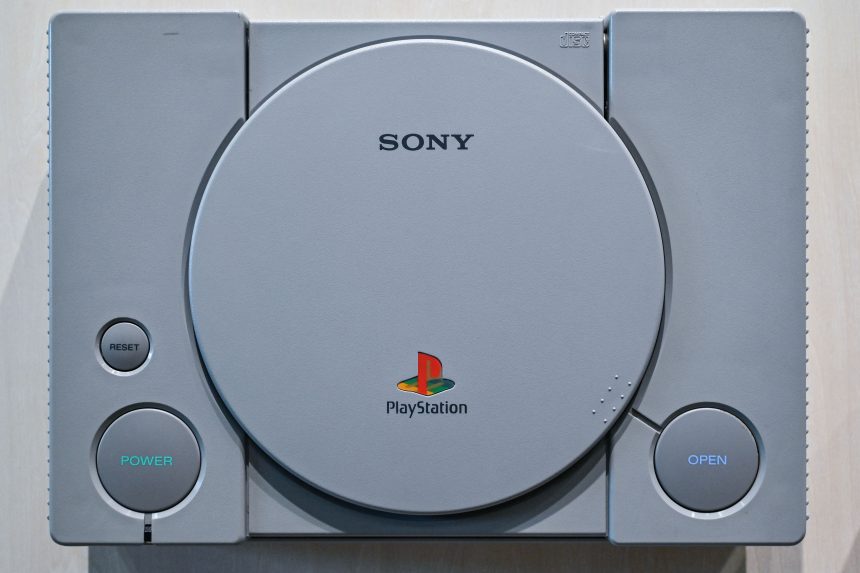
Preserving Gaming History: Essential PS1 and PS2 Classics to Acquire Before the PlayStation Store Sunset
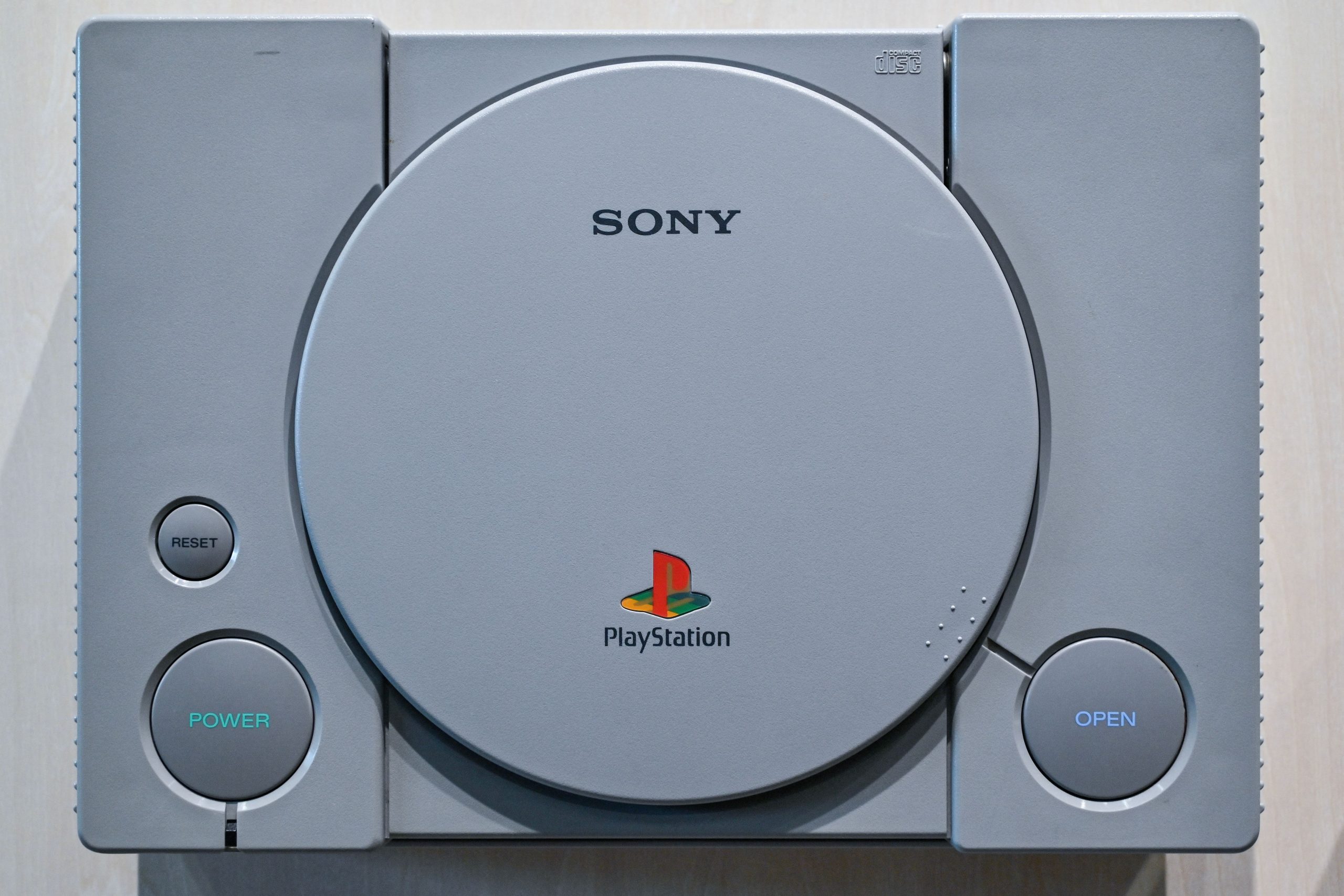
The landscape of digital preservation shifted significantly when Sony confirmed the phased decommissioning of the PlayStation Store for the PS3 and PS Vita. While the global rollout of this closure is scheduled to conclude by July 2027, the window for securing legacy titles is narrowing. For collectors and enthusiasts, this represents a final opportunity to acquire digital versions of iconic PlayStation 1 and PlayStation 2 software at a fraction of the cost associated with the skyrocketing physical secondary market.
The Economic Case for Digital Acquisition
The secondary market for retro gaming has seen unprecedented inflation over the last few years. According to recent market tracking data from platforms like PriceCharting, many “hidden gems” and cult classics have seen their physical values climb by over 300% since 2020. Titles that were once considered affordable staples now frequently command prices between $100 and $800 for complete-in-box (CIB) copies.
By utilizing the PlayStation Store while it remains operational, players can secure these same experiences for a modest $6 to $10 investment. Beyond the financial savings, the digital versions offer a seamless experience; the console’s internal emulation creates virtual memory cards, perfectly replicating the save-file management systems of the original hardware without the risk of physical memory card corruption or battery failure.
Strategic Priorities for Your Digital Library
When curating your final digital collection, it is wise to prioritize titles that are notoriously difficult to find in physical form. The following categories of games are particularly vulnerable to price gouging in the physical market:
- Rare JRPGs: Often produced in limited quantities, these titles are the most expensive to collect physically.
- Niche Arcade Ports: Games that saw limited Western releases often command premium prices due to their scarcity.
- Cult Classics: Titles that received critical acclaim but low initial sales are now highly sought after by modern collectors.
Why Digital Preservation Matters Now
Physical media is subject to “disc rot,” laser degradation, and the simple wear and tear of decades of handling. Digital copies, while dependent on the console’s hardware, provide a pristine, scratch-free way to experience these titles. As we approach the 2027 deadline, the digital storefront serves as a vital archive for games that defined the PS1 and PS2 eras. Whether you are a fan of side-scrolling shooters like Gradius V or deep, narrative-driven role-playing games, the current store prices offer a level of accessibility that the physical market simply cannot match.
Before the storefront functionality is permanently disabled, take the time to audit your digital library. Investing a small amount now ensures that these foundational pieces of gaming history remain playable on your console for years to come, shielding you from the volatility of auction sites and the scarcity of the used game market.
The Legacy and Rarity of Growlanser: Heritage of War
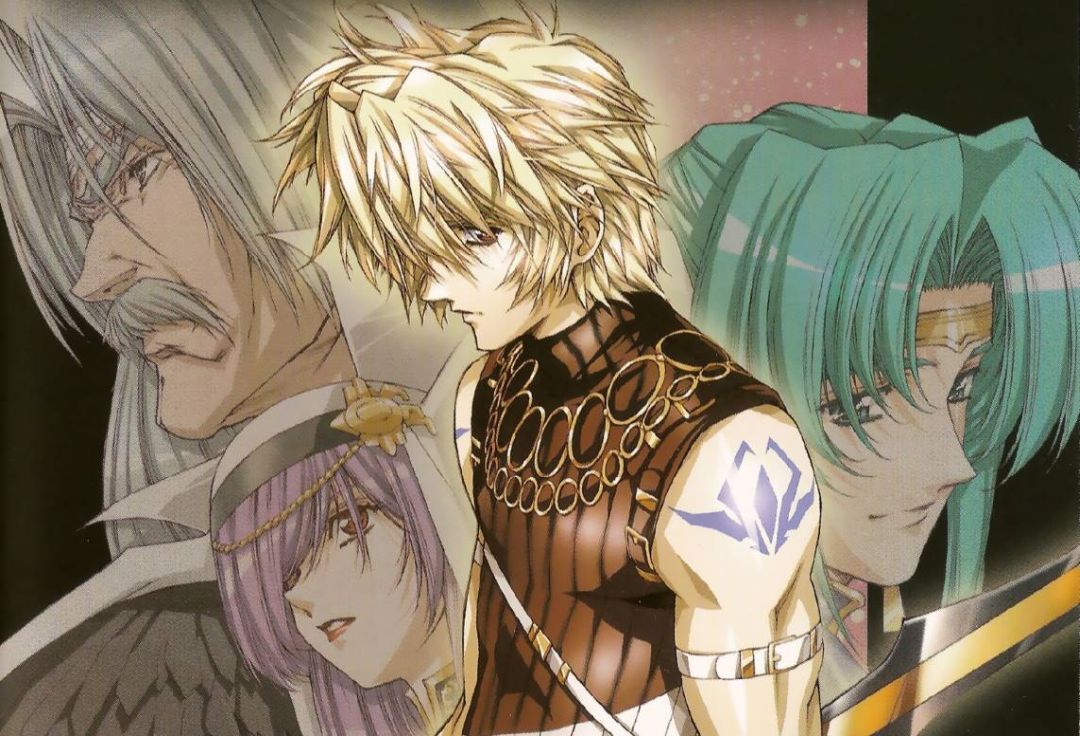
The Growlanser franchise established itself as a cornerstone of Japanese role-playing games during the original PlayStation era, maintaining a stronghold on the market throughout the lifespan of the PlayStation 2. While the series eventually faded from the spotlight following the internal restructuring of its development team into Atlus, its catalog contains several hidden gems. Among these, Growlanser: Heritage of War stands out as a significant milestone; it marked the franchise’s inaugural transition to Western audiences under the Atlus publishing banner.


A Collector’s Item in the Modern Market
Because Growlanser: Heritage of War saw a relatively limited production run during its initial launch, it has become a prized possession for retro gaming enthusiasts. In the current secondary market, physical copies are increasingly difficult to source, often commanding premium prices on platforms like eBay or specialized collector forums. Much like other cult classics of the PS2 era, its scarcity is driven by a combination of niche appeal and the transition toward digital-only distribution models that have left physical media collectors scrambling for original discs.
The Evolution of Tactical RPGs
What set Heritage of War apart from its contemporaries was its unique blend of real-time tactical combat and deep, branching narrative paths. While many RPGs of the mid-2000s relied on static, turn-based systems, Growlanser pushed players to manage positioning and timing, a precursor to the more fluid combat systems seen in modern titles like Final Fantasy VII Rebirth. The game’s emphasis on player choice-where decisions could drastically alter the political landscape of the world-offered a level of replayability that was ahead of its time.
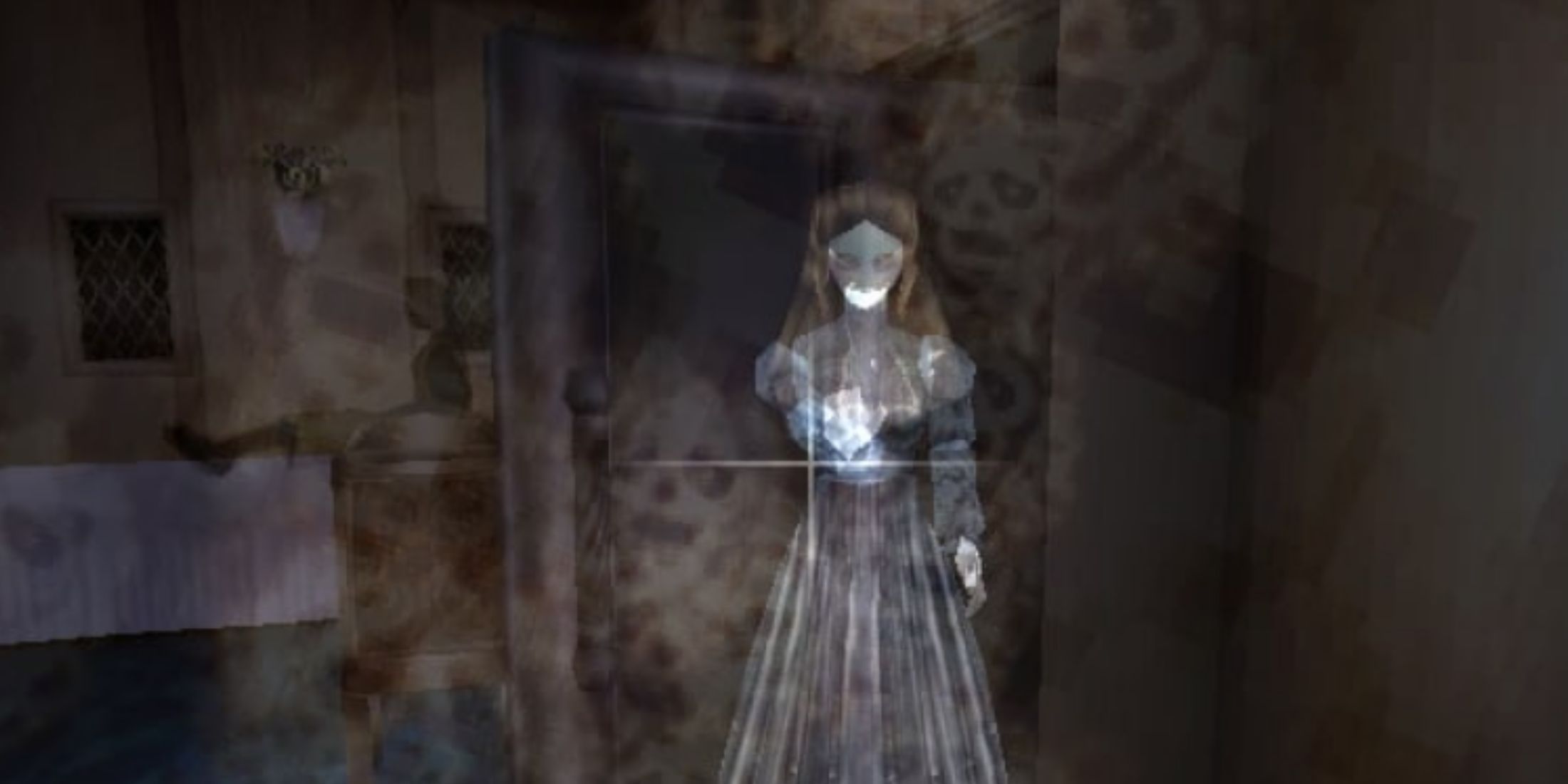
Fatal Frame 2: Crimson Butterfly (PS2)
Much like Growlanser: Heritage of War, Fatal Frame 2: Crimson Butterfly represents the pinnacle of PS2-era design. While one focuses on tactical strategy and the other on psychological survival horror, both titles share a common trait: they are quintessential examples of the “Golden Age” of the PlayStation 2, where developers were willing to take massive creative risks that defined the gaming landscape for years to come.
The Cult Legacy of Clover Studio: From Budget Bin to Collector’s Item
Before the industry recognized the powerhouse that is PlatinumGames, the creative minds behind its most iconic titles were housed within Capcom’s internal division, Clover Studio. While the studio earned critical acclaim for the artistic brilliance of Okami and the stylized action of Viewtiful Joe, its tenure was tragically brief. The studio’s swan song, God Hand, arrived on the scene with little fanfare, relegated to budget-bin status upon its Western release.
However, time has been remarkably kind to this misunderstood masterpiece. What was once dismissed as a niche, low-budget experiment is now celebrated as a foundational pillar of modern character-action design.
Why God Hand Remains a Masterclass in Combat
Modern fans of high-octane titles like Bayonetta or Metal Gear Rising: Revengeance often trace their mechanical DNA back to God Hand. The game’s enduring appeal lies in its uncompromising difficulty and its revolutionary approach to player agency.
Unlike many brawlers of the mid-2000s that relied on repetitive button-mashing, God Hand introduced a deep, customizable move set. Players could map specific strikes, dodges, and counters to their controller, allowing for a personalized combat rhythm that rewarded mastery. This level of mechanical depth-combined with a bizarre, self-aware sense of humor that refused to take itself seriously-has transformed the game from a commercial failure into a highly sought-after collector’s item. Today, original copies frequently command premium prices on the secondary market, a testament to the “Clover effect” where cult classics eventually eclipse their initial sales figures.
The Evolution of the Action Genre
The trajectory of God Hand mirrors a broader trend in gaming: the “delayed appreciation” of experimental titles. Much like how Ico or Psychonauts struggled to find an audience at launch only to become industry benchmarks, God Hand proved that tight, responsive gameplay is timeless.
As of 2024, data from retro-gaming marketplaces indicates that titles from the PS2 era-specifically those with unique combat systems-have seen a 30-40% increase in valuation. This surge is driven by a new generation of players who, having cut their teeth on modern action games, are now digging into the archives to experience the raw, unpolished brilliance of the titles that paved the way.
Beyond the Brawler: The Legacy of Raidou Kuzunoha
While God Hand represents the peak of Clover’s action-oriented design, the PS2 era was also defined by experimental genre-blending in other corners of the industry. A prime example of this is Shin Megami Tensei: Devil Summoner 2 – Raidou Kuzunoha vs. King Abaddon.
Much like God Hand, this title occupies a unique space in the PS2 library. It shifted the Shin Megami Tensei formula from turn-based tactical combat to real-time action, a bold move that polarized critics at the time but is now viewed as a daring precursor to the hybrid RPG-action games that dominate the market today. Both God Hand and Raidou Kuzunoha serve as reminders that the most interesting games are often those that take the biggest risks, even if the market isn’t quite ready for them at the time of release.
Revisiting the Taisho Era: A Deep Dive into Raidou Kuzunoha’s Debut
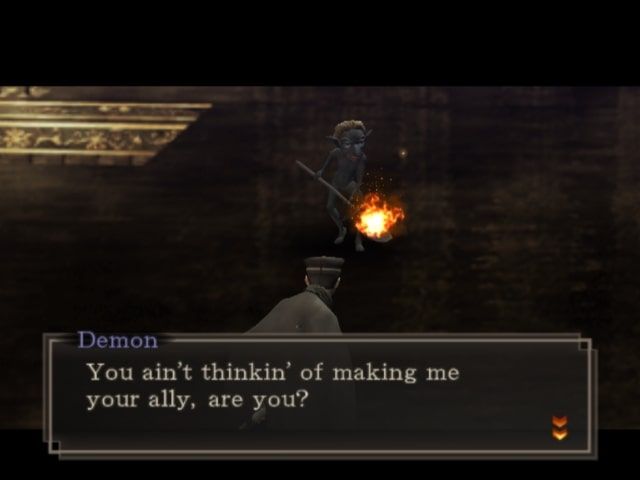
The Shin Megami Tensei franchise is renowned for its sprawling multiverse, but few entries capture a specific historical atmosphere quite like the inaugural title of the Devil Summoner spin-off series. Set against the backdrop of a fictionalized Taisho-era Tokyo, the game blends early 20th-century aesthetics with the supernatural dread that defines the series.
A Unique Blend of Combat and Investigation
Unlike the turn-based tactical combat found in the mainline Persona or SMT games, this title introduced a more kinetic, action-oriented approach. Players step into the shoes of Raidou Kuzunoha, a detective tasked with navigating a city teeming with occult threats. The gameplay loop is defined by a dual-layered combat system:
- Conventional Warfare: Raidou utilizes period-appropriate weaponry, such as his signature katana and a revolver, to engage enemies directly.
- Demon Summoning: To overcome more formidable foes, players must weaken and capture demons, effectively turning them into allies. These summoned entities provide elemental support and tactical advantages, functioning much like a specialized squad in a modern squad-based RPG.
This mechanic mirrors the “Pokémon-style” collection loop but adds a layer of strategic depth, as players must manage their demon’s loyalty and elemental affinities to survive the game’s increasingly difficult encounters.
The Modern Resurrection: Raidou Remastered
For years, fans of the series clamored for a way to experience this cult classic on modern hardware. The recent launch of Raidou Remastered: The Mystery of the Soulless Army for PC, PS4, and PS5 has finally answered that call. This isn’t merely a port; it represents a significant effort to preserve a piece of gaming history that was previously trapped on the PlayStation 2.
According to recent industry data, interest in retro-remasters has surged by over 40% in the last three years, as players look to revisit foundational titles with improved resolution and quality-of-life features. By bringing Raidou Kuzunoha vs. The Soulless Army to current platforms, the developers have allowed a new generation of players to experience the unique “Taisho-punk” aesthetic that influenced later hits like Persona 5.
Why This Title Remains a Cult Classic
What sets this entry apart from its contemporaries is its commitment to its setting. While many RPGs of the mid-2000s leaned heavily into high fantasy or futuristic sci-fi, this game grounded itself in a stylized version of 1920s Japan. The juxtaposition of traditional kimonos, steam-powered technology, and eldritch horrors creates a visual identity that remains striking even by today’s standards.
Whether you are a long-time fan of the Shin Megami Tensei universe or a newcomer curious about the roots of the Devil Summoner sub-series, the remastered edition offers the most accessible entry point to date. It serves as a reminder that great game design-centered on the satisfying rhythm of swordplay and demon management-transcends the limitations of its original hardware.
The Cult Legacy of Chulip: Why This PS2 Oddity Remains a Collector’s Grail
When Chulip hit North American shelves in 2007 as a niche GameStop exclusive, the PlayStation 2 was already beginning to cede the spotlight to the next generation of consoles. Developed by the eccentric studio Punchline-the same team behind the infamous psychological horror title Rule of Rose-the game arrived with a premise that felt refreshingly avant-garde. However, the reality of playing it was a different story entirely.
A Visionary Concept Hampered by Technical Hurdles
On the surface, Chulip was a charming, surreal adventure centered on the universal pursuit of love. Players navigated a quirky world, attempting to win the affection of their crush through a series of bizarre social interactions. Yet, the execution often faltered. Critics at the time were quick to point out that the game’s ambition was frequently stifled by clunky mechanics and agonizingly long loading screens. While the game’s “kissing” mechanic and offbeat humor were conceptually brilliant, the actual gameplay loop often felt more like a chore than a whimsical journey.
The Economics of Retro Gaming Rarity
Because Chulip was released during the twilight years of the PS2, its initial print run was remarkably small. This scarcity, combined with its status as a “cult classic,” has turned the physical disc into a high-value commodity for retro collectors. In the current secondary market, complete-in-box copies of Chulip frequently command prices exceeding $200 to $300, depending on the condition of the manual and disc. This is a significant jump from its original retail price, reflecting a broader trend in the retro gaming market where “hidden gems” from the PS2 era have seen their value skyrocket by over 400% in the last decade alone.
Is Chulip Worth the Investment Today?
For the average gamer, Chulip is a difficult recommendation. It is a game defined by its friction-much like the challenging navigation found in early 3D platformers or the obtuse puzzle design of 90s adventure games. It lacks the polish of modern titles, and its systems can feel intentionally obstructive. However, for those who value gaming history and the “weird” side of Japanese game design, it remains a fascinating artifact.
If you are looking for a smooth, modern experience, Chulip will likely frustrate you. But if you view games as interactive art pieces-flaws and all-it stands as a testament to a time when developers were willing to take massive risks on strange, unmarketable ideas. It isn’t just a game; it’s a piece of digital history that serves as a reminder of the PS2’s vast, experimental library.
Echo Night: The Forgotten Ghost Story That Preceded FromSoftware’s Rise
Long before the global phenomenon of Dark Souls and the punishing precision of Elden Ring defined FromSoftware’s identity, the developer was carving out a niche with the King’s Field series. These early titles were defined by their claustrophobic, first-person dungeon crawling and clunky, deliberate sword combat. Yet, beneath the surface of those medieval fantasy slogs, the studio was eager to experiment with atmosphere and narrative depth. This ambition culminated in the release of Echo Night, a haunting departure from their usual output that remains a fascinating relic of the PlayStation 1 era.
A Shift Toward Psychological Horror
While King’s Field focused on physical combat and exploration, Echo Night pivoted toward a more cerebral, ghost-driven experience. It traded the broadswords and plate armor for a ghostly, investigative mystery. As the inaugural entry in what would become a three-part series, the game challenged players to solve the lingering regrets of spirits trapped in a spectral plane. It wasn’t about how fast you could swing a blade, but rather how well you could piece together the tragic histories of the departed.
The Rarity of a Cult Classic
When AgeTec brought Echo Night to Western audiences, the publisher was understandably cautious. The game’s slow, methodical pace and unconventional mechanics were a gamble in a market increasingly obsessed with high-octane action. Because of this uncertainty, the initial physical production run was remarkably small.
In the world of retro gaming, scarcity often dictates value. Today, original physical copies of Echo Night frequently command high prices on the secondary market, often selling for hundreds of dollars depending on the condition of the disc and manual. It has become a “holy grail” for collectors of obscure PS1 horror titles, sitting alongside games like Kuon or Rule of Rose in terms of its reputation for being both elusive and uniquely unsettling.
Why It’s Still Worth Playing Today
Despite its age, Echo Night offers a masterclass in building tension without relying on cheap jump scares. It serves as a blueprint for the environmental storytelling that would later become a hallmark of FromSoftware’s modern masterpieces. If you are curious about the studio’s evolution, you don’t need to drain your savings account to experience it. The digital version remains accessible, providing a budget-friendly gateway into the studio’s formative years.
For fans of modern indie horror or those interested in the history of game design, Echo Night is more than just a curiosity-it is a testament to a studio that was willing to take risks long before they became a household name in the gaming industry.