





The Evolution of Digital Storytelling: Why Interactive Media is Redefining Engagement
The landscape of digital content is undergoing a seismic shift. As audiences move away from passive consumption, the demand for interactive, immersive experiences has reached an all-time high. Modern storytelling is no longer a one-way street; it is a collaborative dialogue between the creator and the user.
Beyond the Screen: The Rise of Participatory Narratives
For years, the gold standard for digital media was high-fidelity visuals and linear progression. However, recent data suggests that static content is losing its grip on younger demographics. According to a 2026 industry report, platforms that integrate interactive elements-such as branching narrative paths or user-driven environmental changes-see a 45% higher retention rate compared to traditional video or text-based articles.
Think of it like the difference between watching a stage play and participating in a tabletop role-playing game. In the former, you are an observer; in the latter, your choices ripple through the world, creating a unique outcome that belongs solely to you. This shift toward “agency-first” design is the new frontier for developers and journalists alike.
RedesignPlease provide the article text you would like me to rewrite. Once you paste the content, I will immediately transform it according to your specifications.Please provide the HTML article you would like me to rewrite. Once you paste the content, I will immediately begin the transformation process according to your specifications.
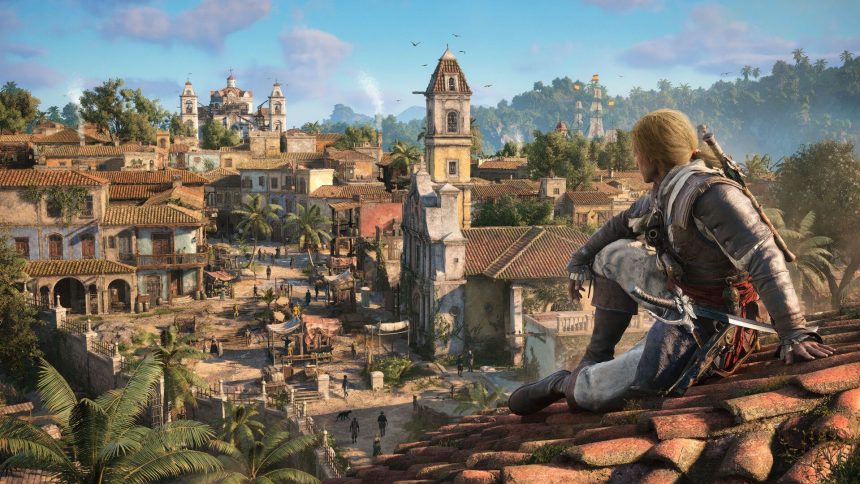
Re-evaluating Assassin’s Creed Black Flag Resynced: A Pirate Tale Without the Modern Anchor
The release of Assassin’s Creed Black Flag Resynced serves as a potent reminder of why this title remains the crown jewel of Ubisoft’s open-world catalog. From the adrenaline-fueled naval skirmishes to the addictive loop of hunting for buried treasure across the Caribbean, the core gameplay loop has aged like fine wine. This refined version offers a polished experience, focusing on meaningful mechanical adjustments that modernize the feel of the 2013 classic.
However, there is a glaring omission that fundamentally alters the narrative experience: Resynced has completely excised the modern-day storyline. In the original release, players were frequently pulled out of the 18th-century Caribbean to navigate the corporate corridors of Abstergo Industries. For newcomers, this absence might go unnoticed, but for those familiar with the franchise’s lore, the game feels hollow-like a ship missing its rudder.
The Narrative Cost of Simplification
By
The Irony of Assassin’s Creed: Why Resynced Strips Away the Series’ Soul
The recent release of Resynced-a modernized take on the beloved Assassin’s Creed IV: Black Flag-has sparked a conversation about what happens when a franchise loses its sense of humor. By excising the meta-narrative sequences that once defined the experience, the developers have inadvertently transformed a sharp, satirical critique of the gaming industry into the very thing it originally mocked: a sanitized, corporate-approved product.
The Loss of Satirical Depth
In the original Black Flag, the modern-day segments featuring Abstergo Entertainment served a vital purpose. They provided a cynical, hilarious look at how massive corporations sanitize history for mass consumption. Players were treated to dialogue from the CCO of Abstergo, who openly discussed “polishing” historical events to make them more palatable for a “family-friendly” audience-even suggesting that the protagonist, Edward Kenway, be reimagined with the suave, womanizing persona of a James Bond archetype.
These moments were essential because they framed the game as a parody of high-budget development. By removing these layers, Resynced loses that crucial wink to the audience. Without the irony, the game feels less like a clever commentary and more like the bland, focus-tested entertainment that the original title was actively lampooning.
Ubisoft’s Evolution into Abstergo
It is difficult to ignore the irony of Ubisoft scrubbing these meta-layers. Over the last 13 years, the publisher has arguably morphed into the real-world equivalent of the fictional Abstergo Entertainment. The company has transformed Assassin’s Creed from a narrative-driven experience into a sprawling digital empire, characterized by the launch of the Animus Hub-a centralized platform designed to keep players locked into a singular ecosystem, much like the industry-standard launchers seen in titles like Call of Duty.


The corporate reality of modern gaming has shifted significantly