



I set out to conceptualize an AI-powered product so absurd, so fundamentally useless, that no venture capitalist would ever dream of funding it. The goal was simple: identify a non-existent problem, harvest an invasive amount of data to “solve” it, and eventually pivot to a subscription model that makes the user feel judged by their own household objects.
The Anatomy of Absurd Innovation
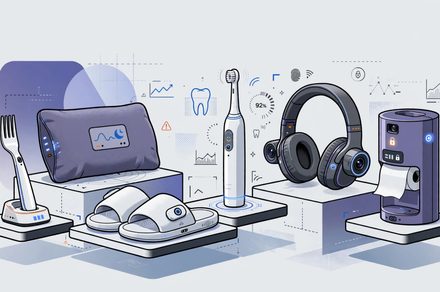
My initial prototype was a “smart” fork. It tracked bite cadence, mastication symmetry, and something I dubbed “nutritional mindfulness.” If the sensors detected emotional eating, the handle would emit a subtle, shaming vibration. Naturally, the premium tier allowed users to pay a monthly fee to have the fork psychoanalyze their dietary choices.
This experiment in digital absurdity led me down a rabbit hole of increasingly intrusive hardware:
- The Existential Pillow: This device records your sleep-talking, transcribing it into a morning “Executive Summary of Subconscious Anxiety.” It would then cross-reference your dreams about flying with your professional KPIs to see if you’re truly “aligned.”
- Purpose-Driven Slippers: These track your pacing around the kitchen. If you wander toward the fridge without a clear, productive intent, the slippers vibrate in disapproval. “Purpose Mode” is, of course, a $8.99/month add-on.
- The Entrepreneurial Shower: By monitoring how long you stand under the spray contemplating your life, the shower head automatically turns the water cold if it senses you aren’t being “proactive” enough with your morning routine.
- The Passive-Aggressive Mug & Chair: The mug logs your caffeine intake against specific meeting times, while the chair tracks your posture and “authority levels.” If you open a document only to immediately check your phone, the chair sends a productivity report directly to your boss.
- The Financial Conscience Wallet: This wallet uses biometric data to lock itself after midnight, requiring a quiz on “essential vs. non-essential spending” before it releases your credit card.
- The Digestive Auditor: A toilet paper holder that tracks roll velocity and generates household digestive trends, requiring a cloud-based account login before dispensing the final sheet.
The Unsettling Reality: Fiction Becomes Fact
I initially believed these ideas were safely tucked away in the realm of satire. However, the current state of the “Internet of Things” (IoT) suggests that the line between parody and product is vanishing. According to recent market data, the global smart home market is expected to reach over $330 billion by 2027, and manufacturers are desperate to justify that growth by embedding AI into everything.
My “silly” fork is no longer a joke. The Epitome e1 toothbrush, for instance, utilizes over 100 sensors to map your
The Surveillance Creep: Why Your Household Objects Are Turning Into Micromanagers
The line between helpful innovation and invasive monitoring has blurred to the point of absurdity. We are witnessing a surge in “smart” devices that don’t just perform a function-they observe, analyze, and critique our every move. From gaming assistants to high-tech litter boxes, the modern home is becoming a data-harvesting ecosystem.
From Gaming Coaches to Digital Companions
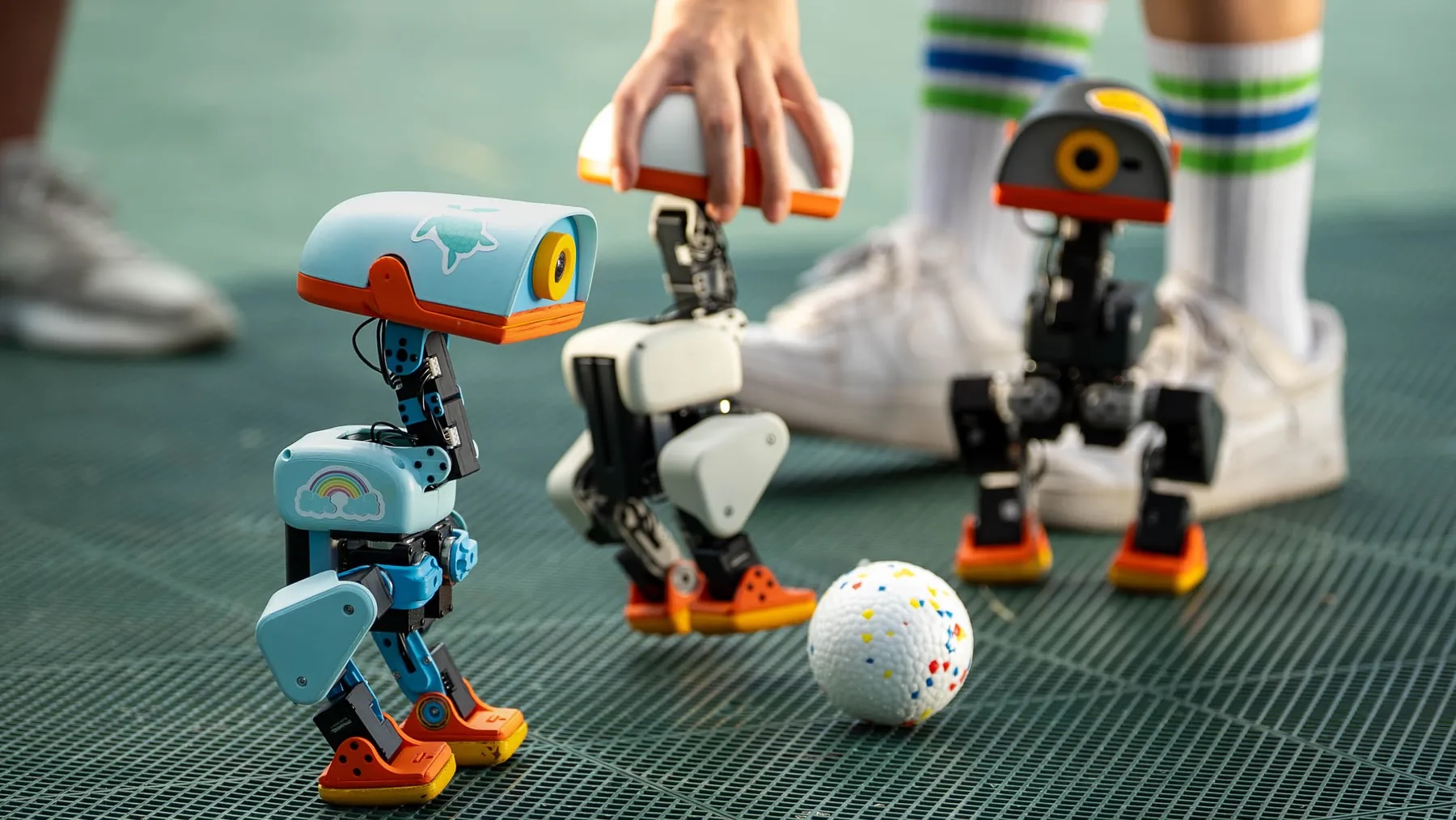
The integration of AI into our personal space is moving at a breakneck pace. Take Razer’s Project Ava, for instance. By utilizing a camera to track both the user and their screen, it deploys a holographic avatar to provide real-time gaming feedback. Similarly, robots like Loona are marketed as multifaceted companions, blending ChatGPT-powered conversation with home security and interactive play.
These devices are no longer just tools; they are active participants in our daily routines, constantly processing visual and auditory data to “optimize” our experiences.
The Rise of “Pet Surveillance”
Perhaps the most surreal evolution is in the pet care sector. The PETKIT Purobot Max Pro 2 is a prime example of how far this trend has gone. It utilizes facial recognition, weight sensors, and high-definition cameras to monitor a cat’s bathroom habits. It doesn’t just clean; it logs stool consistency, tracks frequency, and listens for signs of distress, pushing health alerts directly to your smartphone.
While early medical detection is undeniably valuable, it highlights a strange reality: some of the most sophisticated imaging technology in our homes is dedicated to documenting feline waste. According to recent market data, the global pet tech market is expected to reach over $20 billion by 2030, driven largely by this demand for “smart” health monitoring.
Sensory Overload: When Gadgets Get Eyes
The trend of adding cameras to everything has reached wearable tech. Razer’s Project Motoko concept headphones feature dual 4K cameras, effectively giving the device a visual field to match its audio input. The AI can identify objects, translate signage, and offer real-time lifestyle coaching.
Even the kitchen isn’t safe. LG has introduced appliances like ovens and microwaves equipped with internal cameras. These devices don’t just heat food; they identify ingredients and generate “recap videos” of your cooking process. We have reached a point where the act of preparing dinner is now treated as content to be curated, regardless of whether the meal actually tastes good.
The Blueprint for the “AI-Everything” Era
If you look closely at the current tech landscape, there is a clear, repeatable strategy companies use to justify turning simple objects into surveillance hubs:
- Identify a functional object: Start with something that works perfectly fine offline.
- Over-engineer the sensors: Add cameras, microphones, and biometric sensors.
- Rebrand surveillance as “Personalization”: Frame the data collection as a way
From Passive Tools to High-Maintenance Partners: The Hidden Cost of AI
We are witnessing a fundamental shift in consumer technology: the transition from “set-it-and-forget-it” hardware to devices that demand a persistent, high-maintenance relationship. By integrating artificial intelligence into everyday household items, manufacturers have transformed simple tools into administrative burdens that require constant human oversight.
The Administrative Burden of “Smart” Living
In the past, a device functioned until it physically broke. Today, an AI-enabled object is never truly “finished.” It requires a digital ecosystem to survive: user accounts, granular permission settings, and a barrage of push notifications. Firmware updates are no longer optional; they are mandatory rituals. Furthermore, the “intelligence” often requires human intervention-such as correcting a security camera that misidentifies a swaying tree as an intruder or parsing through automated cloud reports that demand your time and attention.
Consider the evolution of the humble toothbrush. Historically, it required nothing more than a tube of paste. Its modern, AI-driven counterpart, however, demands your Wi-Fi credentials, a verified email address, your date of birth, and a binding agreement to a privacy policy that is intentionally designed to be ignored. We are trading simplicity for a data-harvesting contract.
The Fragility of Cloud-Dependent Functionality
This new paradigm introduces a dangerous dependency on the manufacturer’s long-term business strategy. When a device’s “brain” resides in the cloud rather than on the hardware itself, the product’s lifespan is tethered to the company’s bottom line. If the manufacturer decides to pivot, pivot to a subscription-only model, or simply shutter their servers, your hardware becomes an expensive paperweight.
Recent industry trends highlight this volatility. According to data from the Consumer Technology Association, the average lifespan of smart home devices is often cut short not by hardware failure, but by “software sunsetting,” where companies discontinue support for older models to force upgrades. When essential features are locked behind a paywall, the user loses ownership of the very object they purchased.
The Absurdity of Over-Engineering
We have reached a point where the utility of an object is often inversely proportional to its “smart” features. We are adding layers of complexity to items that were already perfected decades ago. While I once joked that a smart toilet-paper holder was the height of absurdity, the current trajectory of the tech industry suggests that such a product is not only possible but likely being prototyped in a lab somewhere right now.
By documenting these features and the underlying subscription-based business models, I realize I may have inadvertently provided a roadmap for the next wave of unnecessary innovation. The question remains: are we actually improving our lives, or are we just signing up for a lifetime of managing the digital needs of our own appliances?