


The Shift in Android Distribution: Google and Epic Abandon Settlement Plans
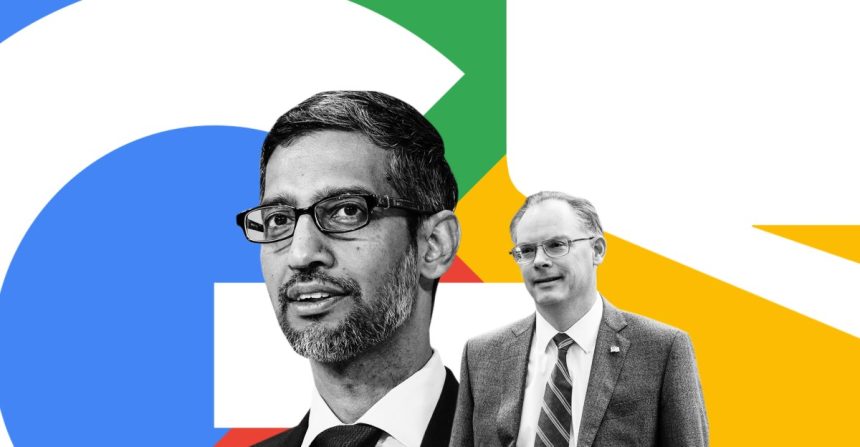
The landscape of mobile software distribution is undergoing a seismic shift. Epic Games and Google have officially scrapped their plans to retroactively resolve the high-stakes antitrust litigation that has been reshaping the Android ecosystem. This reversal is a major victory for competition, as it mandates that Google must now integrate competing app marketplaces directly into its own platform. According to recent court filings, Google has signaled its readiness to facilitate the inclusion of third-party storefronts as early as Wednesday, July 22nd. This development raises a compelling question: are we on the verge of seeing major players, such as Microsoft, finally deploy dedicated mobile gaming storefronts like an Xbox store on Android?
The Legal Mandate for Open Competition
The roots of this change trace back to October 2024, when Judge James Donato issued a landmark ruling. The court determined that the most effective remedy for Google’s unlawful monopoly over Android software was to force the tech giant to host rival app stores within the Google Play Store. Furthermore, the ruling required Google to grant these competitors access to its comprehensive library of applications.
For months, Google aggressively contested this injunction. In a strategic pivot, the company attempted to neutralize the threat by partnering with Epic Games to settle their global legal disputes. This maneuver reportedly involved a clandestine $800 million agreement, which aimed to bypass the court’s original, more stringent requirements.
Judicial Skepticism and the Future of Sideloading
Despite the massive financial settlement proposed by the two companies, Judge Donato remained unconvinced. He expressed significant reservations about abandoning his original permanent injunction in favor of Google’s alternative proposal. Google had suggested a “Registered App Stores” model, which would have required users to manually sideload software-a process that creates friction and often discourages average consumers from exploring alternatives to the Play Store.
By rejecting this compromise, the court is pushing for a more seamless, integrated experience that treats third-party marketplaces as first-class citizens rather than secondary, “sideloaded” options. As of 2026, the mobile market is seeing a push toward greater interoperability, similar to how desktop operating systems have long allowed users to download software from various sources without restrictive gatekeeping. With the barriers to entry lowering, the dominance of the Google Play Store is facing its most significant challenge since the inception of the Android operating system.