

AI-Generated “Odysseus: The Fall” Challenges Nolan’s Epic, But Critics Aren’t Buying It
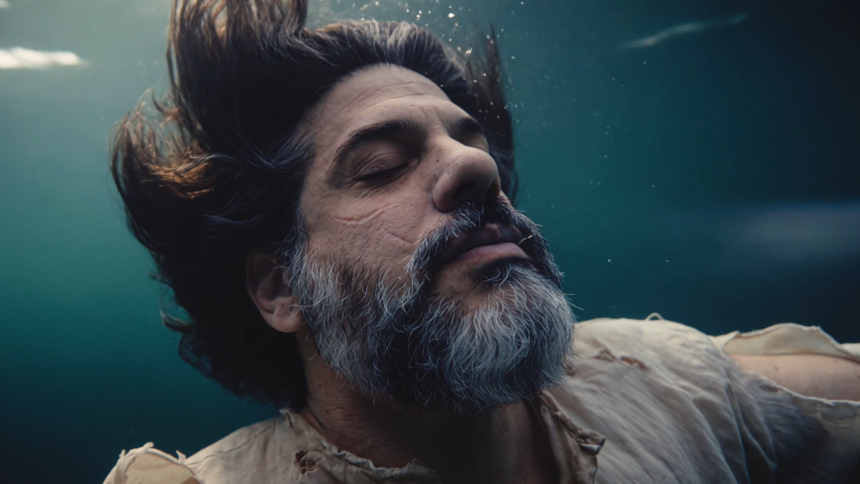
While Christopher Nolan prepares his highly anticipated cinematic adaptation of Homer’s The Odyssey, a surprising challenger has emerged from the digital shadows. Odysseus: The Fall, a feature film constructed entirely through artificial intelligence, is slated for release this year. However, early glimpses suggest that the legendary director has little reason to fear this algorithmic competitor.
A Bold Experiment in Synthetic Cinema
The project is spearheaded by director Ash Koosha, a creator previously recognized for his AI-driven short Dreams of Violets, which earned a spot at the 2026 Tribeca Film Festival. The teaser for Odysseus: The Fall recently debuted on YouTube, positioning itself as a direct, albeit unconventional, rival to the upcoming Hollywood blockbuster.
The film serves as a primary showcase for Fountain0, an AI production studio aiming to demonstrate the capabilities of generative video technology. Despite the ambition behind the project, the reception from the public and industry observers has been overwhelmingly negative.
The “Uncanny Valley” Problem
The trailer highlights the persistent hurdles currently facing AI-generated long-form storytelling. Viewers have pointed to several glaring technical deficiencies that undermine the viewing experience:
* Visual Inconsistency: Characters frequently shift in appearance, making it difficult for the audience to maintain a connection with the protagonist.
* Fragmented Editing: The film relies on rapid-fire, short-duration shots, likely to mask the AI’s inability to maintain temporal or spatial continuity over longer sequences.
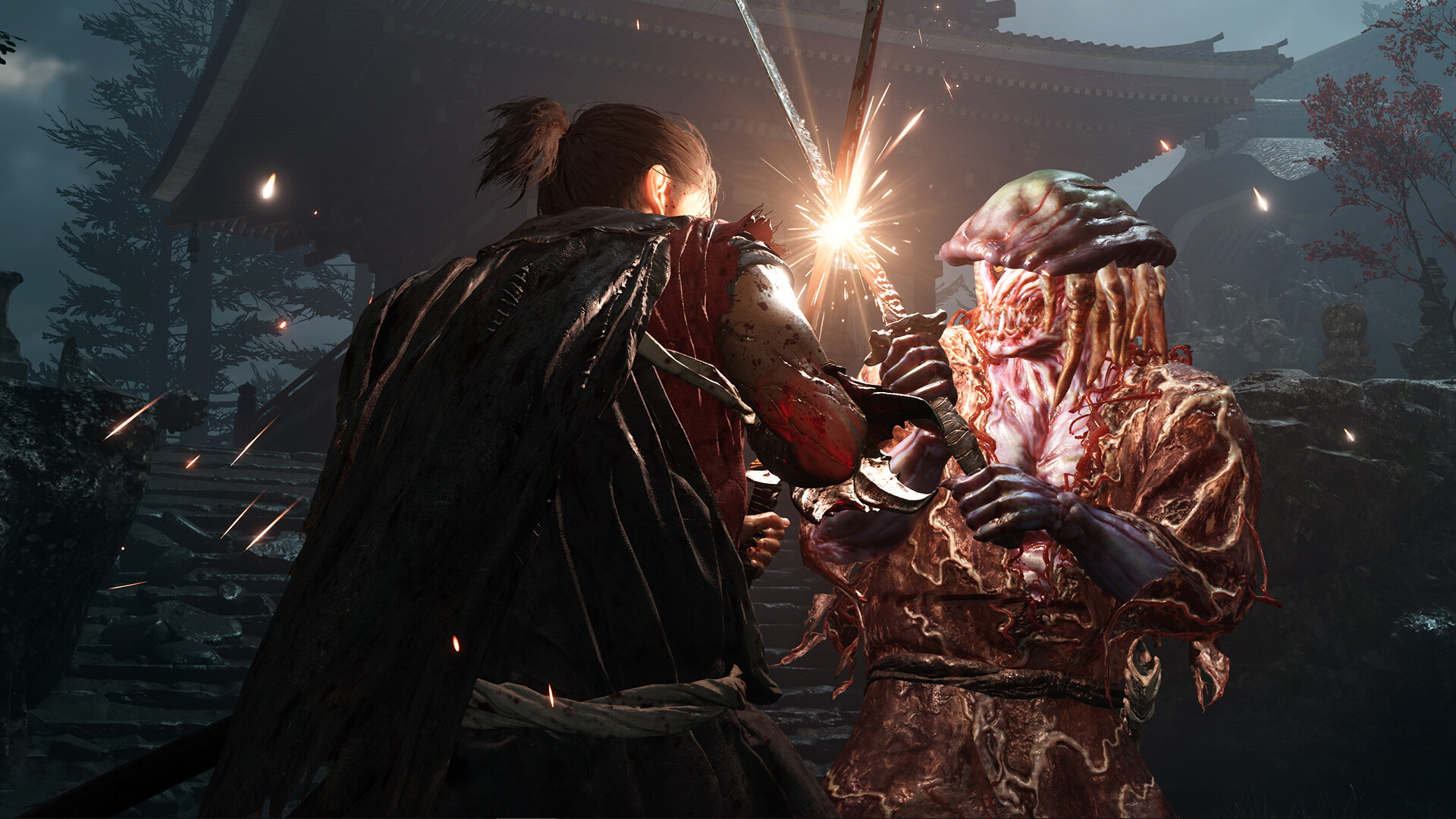
* Technical Glitches: The footage is plagued by the “uncanny valley” effect, featuring erratic character movements and disjointed lip-syncing that fails to match the dialogue.
AI vs. The Hollywood Standard
The contrast between this AI experiment and a traditional studio production is stark. While Nolan’s The Odyssey benefits from the nuance of human performance, high-budget cinematography, and a cohesive narrative structure, Odysseus: The Fall struggles to replicate the basic fluidity of human motion.
Current industry data suggests that while AI tools are becoming increasingly sophisticated in generating static imagery, the leap to feature-length narrative coherence remains a significant barrier. According to recent reports from The Hollywood Reporter, the project is less of a traditional film and more of a technical proof-of-concept. For now, it seems that the human touch-the ability to convey genuine emotion and maintain a consistent visual language-remains the gold standard that AI has yet to replicate.