




Starlink V5: A Slimmer, Greener Evolution for Satellite Internet
SpaceX has officially begun the rollout of its latest residential hardware, the Starlink V5, marking a significant shift in how the company approaches satellite connectivity. Currently available in specific regions, this new iteration prioritizes portability and energy conservation, signaling a move toward more sustainable and user-friendly hardware design.
Redefining the Residential Terminal
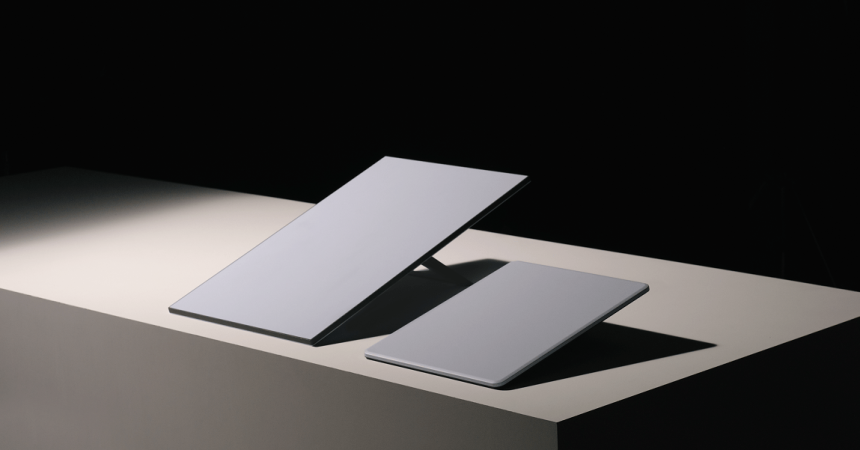
The most striking change with the V5 is its physical footprint. By drastically reducing the dimensions and weight of the unit, SpaceX has made the installation process far less cumbersome for the average homeowner.
While the previous V4 model weighed in at a hefty 2.9 kg (6.4 lbs), the V5 has been trimmed down to a mere 1.1 kg (2.4 lbs). This reduction-nearly 60% lighter-makes the dish significantly easier to mount on rooftops or poles. Furthermore, the physical size has been reduced by roughly 35%, allowing for a more discreet aesthetic that blends better into residential environments.
Efficiency Meets Performance
Beyond the physical redesign, the V5 is a major win for energy-conscious users. In an era where smart home devices are under scrutiny for their power draw, the V5 cuts average power consumption by half, dropping from the 75-100W range seen in the V4 to a much more efficient 35-50W.
While the peak download speeds have seen a slight adjustment-moving from 400+ Mbps on the V4 to 375+ Mbps on the V5-the trade-off is a more stable, power-efficient connection that is better suited for long-term residential use. It is important to note that this specific model is engineered strictly for stationary setups. For users requiring connectivity while traveling or in transit, SpaceX has indicated that the upcoming Starlink Mini will be the dedicated solution for mobile scenarios.
Technical Comparison: V4 vs. V5
| Feature | Starlink V4 | Starlink V5 |
|---|---|---|
| Weight | 2.9 kg (6.4 lbs) | 1.1 kg (2.4 lbs) |
| Dimensions | 594 x 383 x 39.7 mm | 384 x 306 x 34 mm |
| Power Usage | 75 – 100 W | 35 – 50 W |
| Peak Speed | 400+ Mbps | 375+ Mbps |
Scaling for Global Demand
As SpaceX continues to ramp up manufacturing, the V5 is expected to become the standard for new subscribers globally. This transition reflects a broader trend in the tech industry: moving away from bulky, power-hungry hardware toward streamlined, efficient devices that minimize the environmental impact of high-speed satellite internet.
For those looking to upgrade or compare specific technical requirements, full documentation is available through the official Starlink support portal.