




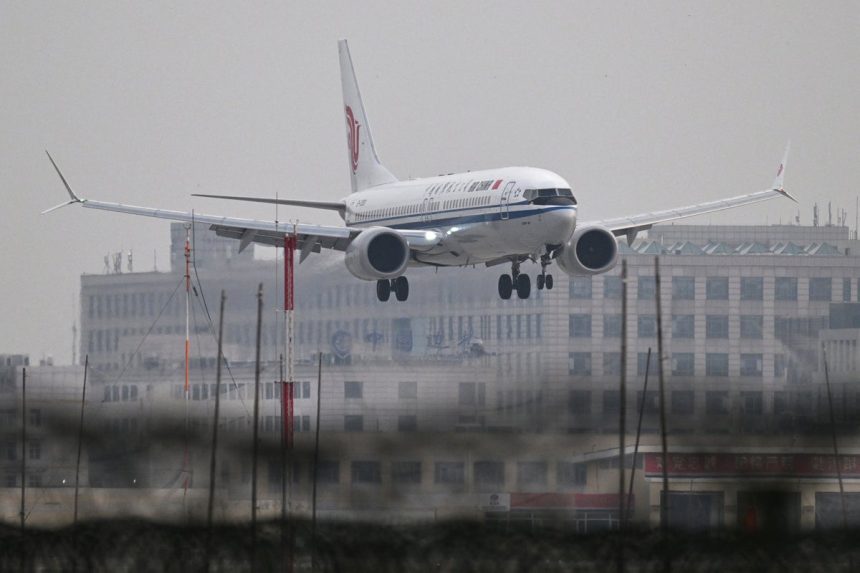
Safety Alert: Potential Seat Installation Flaws Identified in Boeing 737 MAX Fleet
A significant safety concern has emerged regarding the Boeing 737 MAX, with federal regulators flagging a manufacturing defect that could compromise passenger safety. According to recent reports, over 450 aircraft operating within the United States may be equipped with improperly secured seating, posing a serious risk during flight operations.
### The Risks of Improperly Anchored Seating
The Federal Aviation Administration (FAA) has issued a formal warning highlighting that these installation errors could lead to catastrophic outcomes during critical moments. If a seat track fitting is not correctly secured, the chair could detach during severe turbulence.
Beyond the immediate danger of physical injury to passengers or flight attendants, loose seating presents a major logistical hurdle during an emergency. A dislodged seat could:
* Block critical evacuation routes and aisles.
* Impede the crew’s ability to manage an emergency landing.
* Create significant delays during a rapid cabin evacuation, where every second is vital for passenger survival.
### FAA Mandates Rigorous Inspections
To mitigate these risks, the FAA has mandated that operators conduct comprehensive examinations of the seat track fittings. Maintenance crews are required to perform a granular inspection of both the left and right side track-mounted assemblies to verify that every component is locked into its designated position according to safety specifications.
While this directive is currently enforceable only for U.S.-based carriers, the aviation industry often sees international regulatory bodies mirror these safety protocols to maintain global standards. As of now, the scope of this issue remains under investigation, and it is not yet confirmed if Boeing 737 MAX aircraft outside of the U.S. are affected by the same manufacturing oversight.
### Industry Context and Global Impact
This development adds to the ongoing scrutiny surrounding the 737 MAX, which remains one of the most utilized aircraft models in the global commercial fleet. With thousands of these planes in service worldwide, the aviation sector is closely monitoring whether this is a localized assembly error or a broader systemic issue.
For context, aviation safety experts emphasize that seat integrity is a fundamental component of cabin safety, similar to the importance of overhead bin latches or emergency oxygen systems. Ensuring that every seat is anchored to withstand high-G forces is non-negotiable for modern air travel safety.