



Autonomous Mobility Expansion: Baidu’s Apollo Go Enters the London Market
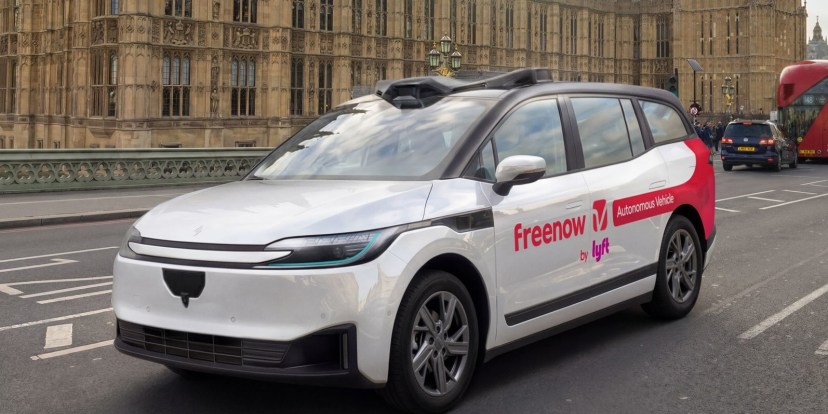
The landscape of urban transportation in the United Kingdom is set for a significant transformation as Baidu’s autonomous ride-hailing division, Apollo Go, officially initiates road trials in London. This strategic expansion is being executed through a collaborative venture with Freenow by Lyft, marking a major milestone for driverless technology integration in Europe.
Strategic Deployment in Brent
The initial phase of these trials is concentrated within the London borough of Brent. To ensure rigorous safety standards during this introductory period, every vehicle will be staffed by trained safety operators. According to the project’s technical roadmap, the testing parameters are designed to challenge the software across a diverse range of conditions, encompassing both dense urban centers and quieter suburban residential zones. This comprehensive approach is essential for refining the AI’s decision-making capabilities before the service transitions to a public-facing model, which is currently slated for a 2025 rollout.
A Synergy of Tech and Local Logistics
The success of this pilot relies on a division of labor that leverages the core competencies of both organizations:
* Baidu’s Contribution: The company is deploying its proprietary RT6 robotaxi fleet, which serves as the hardware and software backbone of the operation. These vehicles are engineered specifically for Level 4 autonomous driving, utilizing advanced sensor suites to navigate complex traffic patterns.
* Freenow by Lyft’s Role: By integrating their deep-rooted knowledge of London’s intricate road networks and regulatory environment, Freenow ensures that the fleet operates efficiently within the existing transit ecosystem.
Integrating Robotaxis into the Existing Transit Fabric
Rather than operating in a vacuum, the RT6 units are being woven into a hybrid mobility network. This model allows the autonomous fleet to function alongside Freenow’s traditional taxi and private hire vehicle (PHV) services.
This hybrid approach mirrors global trends in “Mobility as a Service” (MaaS). Industry data suggests that the global autonomous vehicle market is projected to reach a valuation of over $2 trillion by 2030, as cities increasingly look for ways to reduce congestion and carbon emissions. By utilizing a mixed fleet, the partnership aims to bridge the gap between human-driven convenience and the efficiency of automated transport, providing a scalable blueprint for other major metropolitan areas to follow.