



### BMW Shifts Munich Plant to Electric Future with i3 Production
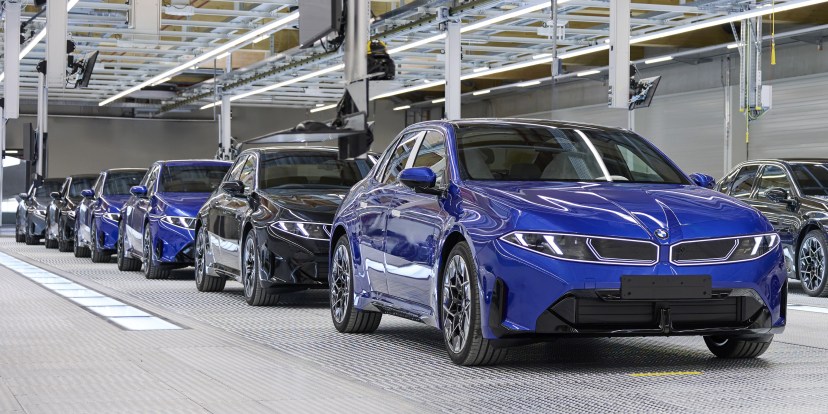
BMW has officially commenced the manufacturing of its latest i3 series at its historic Munich facility. This transition marks a significant milestone for the German automaker, which opened order books for the new i3 earlier this summer. Due to an overwhelming influx of customer interest, the company is currently navigating an aggressive production acceleration to meet market needs.
#### A Legacy of Innovation Meets Modern Electrification
The Munich plant is no stranger to high-volume manufacturing; since 1975, the site has successfully rolled out over nine million units of the iconic BMW 3 Series. By integrating the i3 into this same facility, BMW is effectively bridging its storied combustion-engine heritage with its electric-first future.
Industry analysts note that the shift toward electric vehicle (EV) production is critical for legacy manufacturers. With global EV sales projected to reach nearly 17 million units by the end of 2024, according to recent International Energy Agency (IEA) data, BMW’s decision to utilize its primary hub for the i3 is a strategic move to maintain its competitive edge in the premium segment.
#### The “Neue Klasse” Strategy
Leadership at BMW views the i3 as the definitive next chapter for the Munich plant. Raymond Wittmann, a member of the Board of Management of BMW AG overseeing Production, emphasized the importance of this site as a blueprint for the company’s global operations.
“The synergy between our corporate headquarters, R&D departments, and manufacturing lines in Munich serves as the engine for our entire international production network,” Wittmann explained. He highlighted that the insights and technical expertise gathered during the launch of the *Neue Klasse* platform in Munich will be disseminated across all BMW manufacturing facilities worldwide, ensuring a standardized, high-quality approach to electric vehicle assembly.
By centralizing the development and production of its most advanced models, BMW is not only streamlining its supply chain but also ensuring that the lessons learned in Munich-ranging from battery integration to software calibration-are rapidly adopted across its global footprint.