



# SEC Puts Tokenization Exemption on Ice Amid Regulatory Pushback
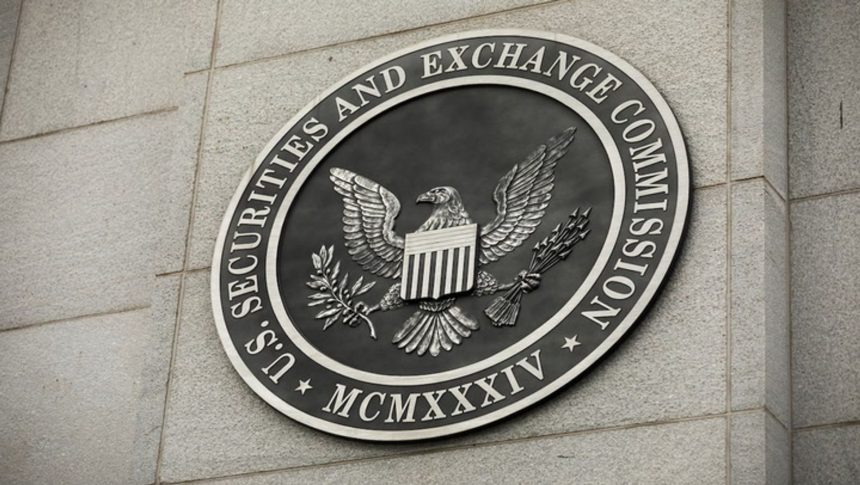
The U.S. Securities and Exchange Commission (SEC) has hit the brakes on its highly anticipated “innovation exemption” for tokenized securities. Originally slated for a partial rollout during a now-scrapped “Reg Crypto” meeting this past Friday, the initiative has been sidelined due to mounting pressure from both the executive branch and major financial institutions.
### Why the SEC Halted the Tokenization Roadmap
Industry insiders suggest that the delay stems from a collision of political and institutional interests. The White House has reportedly expressed reservations, fearing that a unilateral exemption could undermine ongoing legislative efforts, specifically the Digital Asset Market Clarity Act. By bypassing the traditional legislative route, the SEC risks complicating the delicate negotiations currently taking place on Capitol Hill.
Simultaneously, the traditional financial sector-spearheaded by the Securities Industry and Financial Markets Association (SIFMA)-has voiced strong opposition. These firms argue that the SEC’s approach lacks the necessary rigor. Rather than relying on exemptions, industry leaders are pushing for a comprehensive, formal rulemaking process to ensure that any structural changes to the market are transparent, stable, and legally sound.
### The Growing Stakes of Asset Tokenization
This regulatory hesitation arrives at a critical juncture for the financial industry. While the SEC navigates these internal and external pressures, the momentum behind blockchain-based finance continues to build.
Major global exchanges and clearinghouses are currently deep into pilot programs, testing the efficiency of distributed ledger technology for real-time settlement and asset management. The potential is massive: recent projections from industry analysts suggest that the market for tokenized real-world assets could balloon into a multi-trillion-dollar ecosystem by 2030. For instance, as traditional assets like Treasury bonds and private equity funds move onto the blockchain, the demand for a clear, standardized regulatory framework has never been more urgent.
### What Lies Ahead
The cancellation of the Friday meeting serves as a stark reminder that the path to integrating blockchain into mainstream finance is rarely linear. While the SEC’s “innovation exemption” was intended to act as a catalyst for growth, it has instead become a focal point for the broader debate over how to modernize market infrastructure without sacrificing investor protection.
As the agency recalibrates its strategy, the industry remains in a state of cautious anticipation, waiting to see whether the SEC will pivot toward a formal rulemaking process or attempt to revive the exemption in a modified form.