




Breaking Down the Walled Garden: Judge Mandates Easier Access to Third-Party Android Stores
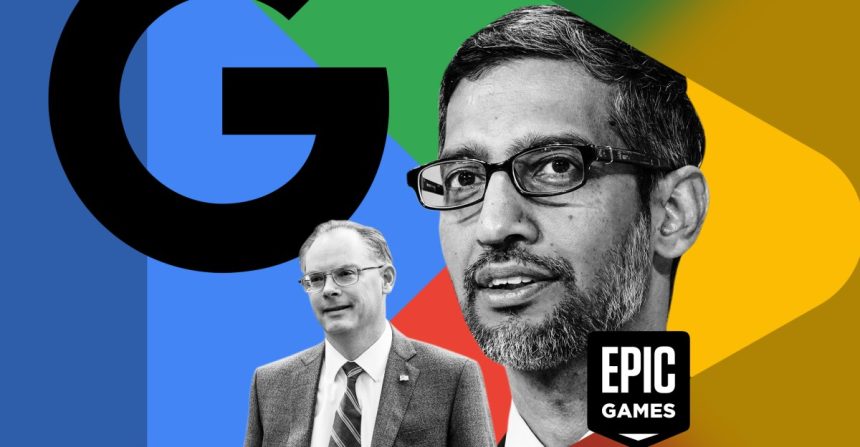
The ongoing legal tug-of-war between Epic Games and Google has reached a new milestone. Despite a brief period of relative quiet following their initial skirmishes over Android distribution, the two tech giants returned to a San Francisco courtroom this week. The result? Judge James Donato has issued a firm directive requiring Google to streamline the installation process for competing app marketplaces on the Android platform.
### A Long Road to Antitrust Reform
This judicial intervention follows a landmark 2021 jury verdict that officially labeled Google’s control over the Android app ecosystem as an illegal monopoly. For nearly three years, the legal system has grappled with how to dismantle this dominance. Judge Donato’s latest ruling reinforces his previous stance: the most effective remedy is to force Google to open its gates.
Under the current mandate, Google is required to host rival app stores directly within the Google Play Store and grant these competitors access to its extensive library of applications for a multi-year period. This move is designed to foster a more competitive landscape, similar to how desktop operating systems like Windows or macOS allow users to download software from various independent sources without being funneled through a single, gatekept storefront.
### Eliminating “Anticompetitive Friction”
During the recent hearing, Epic Games’ legal team successfully argued that Google has been intentionally complicating the user experience to discourage the adoption of alternative stores. To illustrate this, Epic’s attorney, Yonatan Even, performed a live demonstration in court, highlighting the excessive number of steps required to install a third-party store.
The demonstration revealed that the process is riddled with what the court identified as “anticompetitive friction”-unnecessary hurdles designed to frustrate users. For instance, when searching for “store for apps” within the Google Play Store, results for third-party alternatives are conspicuously absent. Judge Donato agreed with Epic’s assessment, characterizing these barriers as unacceptable and ordering Google to remove them immediately to ensure a more neutral discovery process.
### The Broader Impact on Mobile Ecosystems
This ruling is significant because it challenges the “walled garden” model that has defined mobile computing for over a decade. By forcing Google to play fair, the court is effectively shifting the power dynamic back toward developers and consumers.
While Google has historically argued that these security warnings and installation hurdles are necessary to protect users from malware, the court’s decision suggests that safety should not come at the expense of market competition. As the industry evolves, this precedent could pave the way for a more fragmented, yet diverse, mobile app market, potentially lowering commission fees for developers and providing users with more choices for how they manage their digital tools.