




Legal Challenge Challenges Oura’s Sleep Tracking Claims
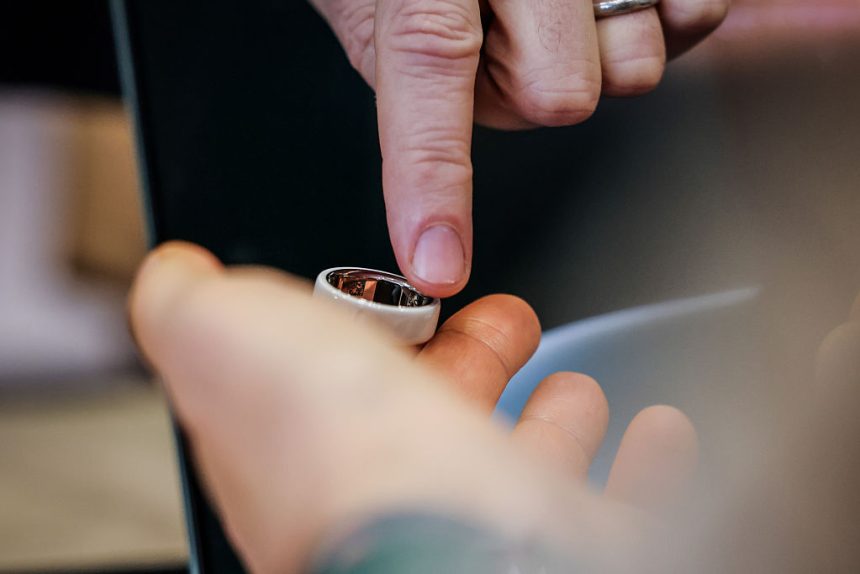
The wearable technology sector is facing a significant legal hurdle as a lawsuit has been filed against Oura, a prominent manufacturer of the smart ring. The litigation, initiated by the Clarkson Law Firm in San Francisco, accuses the company of engaging in deceptive marketing practices regarding the precision of its AI-driven sleep tracking capabilities. The plaintiffs are currently pushing for class action status and have requested a trial by jury.
The Core Allegations: Marketing vs. Reality
At the heart of the dispute is the claim that Oura leveraged misleading advertising to inflate the perceived value of its hardware. According to the lawsuit alleges, the company’s valuation-which has reached an impressive $11 billion-was built upon a foundation of consumer trust that the firm claims was misplaced.
The legal filing argues that Oura marketed its devices as having clinical-grade diagnostic capabilities, essentially promising that a consumer-grade ring could replicate the data depth of a professional hospital sleep study. With retail prices starting at $300, the suit contends that users paid a premium under the false impression that they were receiving medical-grade insights into their sleep architecture and cycles.
Industry Context and Consumer Expectations
This case highlights a growing tension in the health-tech industry. While wearable devices have become ubiquitous, experts often note that consumer trackers lack the polysomnography sensors found in clinical settings, such as EEG (electroencephalogram) monitors that track brain waves. As the market for wellness wearables continues to expand-with global shipments of health-tracking devices expected to grow significantly through 2030-regulators and legal entities are increasingly scrutinizing whether marketing claims align with the actual technical limitations of AI-based algorithms.
As of now, Oura has not provided an immediate statement regarding the allegations. The outcome of this case could set a major precedent for how health-tech companies communicate the accuracy of their AI-powered features to the public.