

Image via Raze and Rebuild Studio
A New Chapter: Industry Veterans Pivot to the Co-operative Model
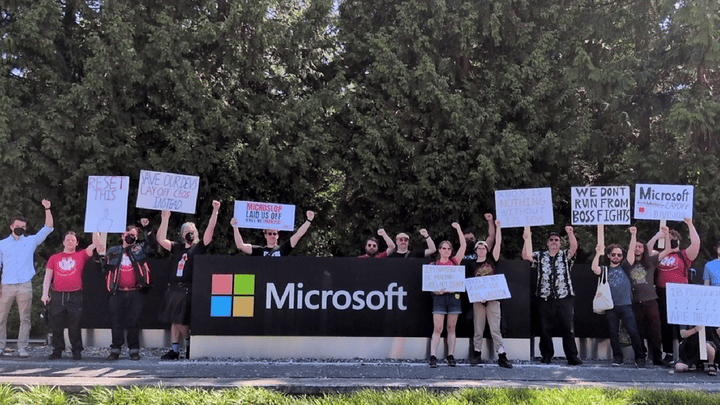
In response to the turbulent climate of the gaming sector-marked by a staggering wave of layoffs that saw over 10,000 industry professionals lose their jobs in 2023 alone-a collective of seasoned triple-A developers and accessibility specialists has launched a new venture: Raze and Rebuild Studio. By adopting a worker-owned co-operative structure, the team aims to bypass the instability of traditional corporate hierarchies, positioning themselves as a phoenix rising from the wreckage of recent studio closures.
The Minds Behind the Mission
The foundation of Raze and Rebuild is built upon a diverse range of expertise. The core team features notable industry figures, including:
- Tanya DePass: A veteran writer formerly of Monolith Productions.
- Tarja Porkka-Kontturi: A specialist in business development and accessibility consulting.
- Laura Kate Dale: A prominent voice in the accessibility advocacy space.
- Ian Schreiber: A co-founder of the Global Game Jam.
Strategic Independence and Future Vision
Unlike many startups that rely on venture capital, Raze and Rebuild has opted for a lean, self-funded launch. While the team is currently exploring grant opportunities and potential strategic partnerships to bolster their resources, they are prioritizing creative autonomy.
Regarding their upcoming portfolio, the studio is leaning into “games for impact.” According to Dale, the team is interested in projects that mirror authentic human experiences. Their creative pipeline is currently split between two distinct directions: satirical narratives that draw from the harsh realities of navigating a volatile job market, and lighter, mechanics-focused titles designed for pure engagement.
Maintaining Sustainability Through Scalability
The studio is acutely aware of the pitfalls that often lead to burnout and closure in the modern gaming landscape. To mitigate these risks, the founders are emphasizing a “small scope” philosophy. By keeping their initial projects manageable, they aim to ensure long-term sustainability and maintain the integrity of their worker-owned model, proving that high-quality development doesn’t always require the massive overhead of traditional studios.
Related: Makers Fund expands game industry footprint through $250 million investment round