



ABC
The Cultural Shift That Sparked a Sitcom Phenomenon
By the dawn of the 1970s, the American landscape was shifting dramatically. The optimism of the previous decade had begun to fade, replaced by economic uncertainty and social unrest. As the Baby Boomer generation grappled with these modern anxieties, a collective yearning for a simpler, idealized past emerged. Producer Garry Marshall tapped into this cultural zeitgeist with Happy Days, a series that offered a rose-tinted lens on 1950s Americana. While the show became a massive hit, cementing its place in television history, the journey to success was not without its behind-the-scenes struggles-most notably for its lead, Ron Howard.
From Mayberry to Milwaukee: The Pressure of Transition
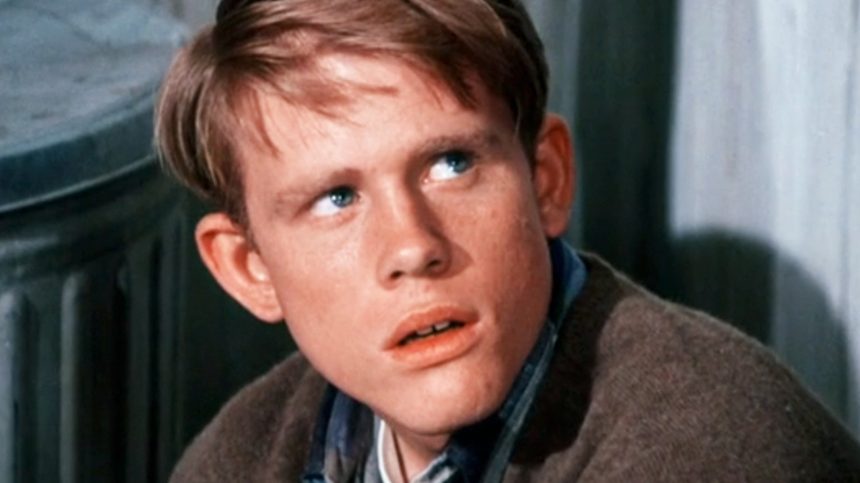
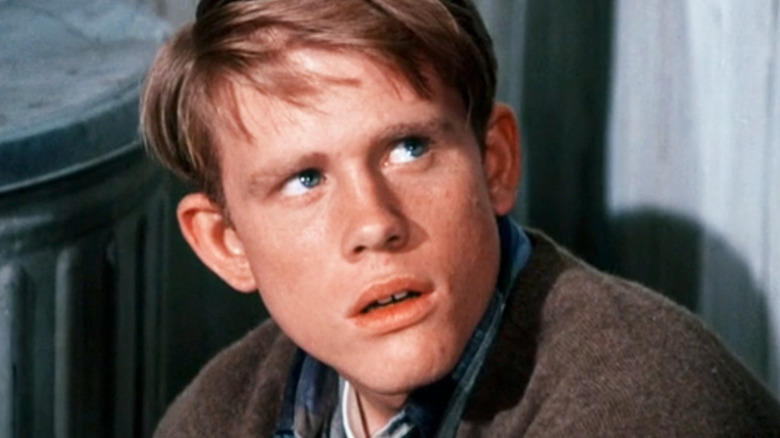
Before stepping into the shoes of Richie Cunningham, Ron Howard was already a household name. He had spent his formative years portraying Opie Taylor on The Andy Griffith Show. This transition to Happy Days presented a unique challenge: the production style. Unlike the quiet, controlled environment of the single-camera sets he was accustomed to, Happy Days utilized a multi-camera setup performed in front of a live studio audience. This shift in format created a high-pressure environment that nearly caused the young actor to walk away from the project entirely.
A Moment of Crisis Before Season Three
The intensity of the spotlight took a toll on Howard, reaching a breaking point just as the show prepared for its third season. The anxiety of performing live, combined with the weight of carrying a hit series, became overwhelming. Reports indicate that Howard’s nerves were so frayed that he actually hid in a closet, requiring intervention to coax him back onto the set. It is a stark reminder that even seasoned child stars face profound performance anxiety. Today, industry experts note that the “live audience” format remains one of the most stressful environments for actors, with studies suggesting that the immediate feedback loop of a studio audience can increase cortisol levels significantly compared to traditional film sets.