



## The Shein Phenomenon: Is the Fast-Fashion Giant Losing Its Momentum?
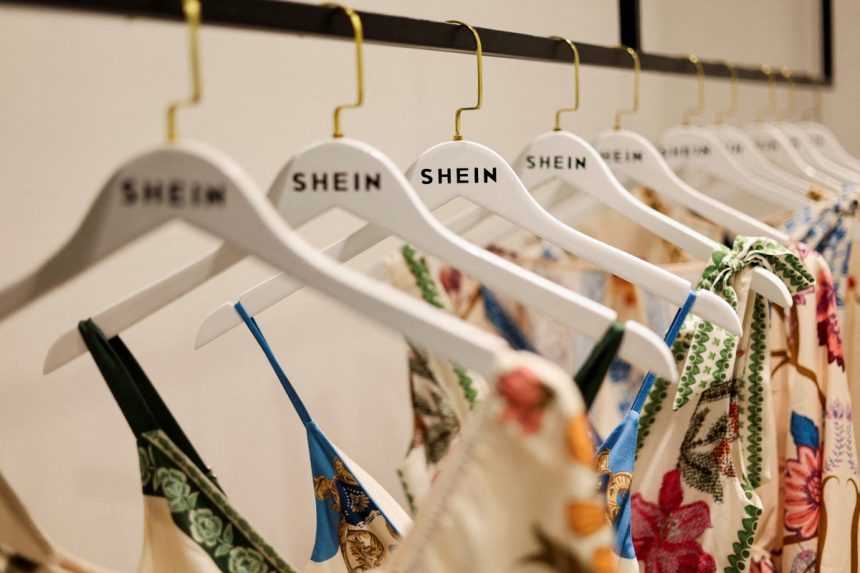
For several years, Shein appeared to be an unstoppable force in the global retail landscape. By revolutionizing the supply chain, the China-founded company ushered in a hyper-accelerated new era for fast fashion. Their model-characterized by the ability to push thousands of new designs to their platform daily and offer complete ensembles for less than the price of a coffee-created a retail addiction that proved difficult for competitors to match.
The scale of this operation was staggering. Recent data indicates that in the fiscal year ending this past March, Shein boasted a massive base of over 273 million active shoppers, who collectively generated more than one billion individual orders. To put this in perspective, their output volume has frequently eclipsed traditional retail giants, functioning more like a high-speed digital algorithm than a conventional clothing store.
### A Diminishing Market Valuation
However, the luster of this retail juggernaut is beginning to fade. Recent market activity suggests that the seemed like Shein dominance is facing a reality check. Following its recent entry onto the Hong Kong stock exchange, the company saw its shares tumble by 6 percent.
This decline is particularly jarring when compared to the company’s peak valuation of $100 billion (£73 billion). Today, the market cap sits at roughly 25 percent of that previous high. This tepid reception follows a series of strategic setbacks; the brand’s attempts to secure listings in New York and London were effectively derailed. In the U.S., regulatory scrutiny regarding labor practices acted as a significant barrier, while in the UK, a proposed £50 billion flotation stalled amid intense questioning regarding the transparency and ethics of the company’s supply chain.
### The Ethical and Regulatory Hurdle
The challenges facing Shein are not merely financial; they are deeply rooted in the evolving expectations of modern consumers and regulators. As investors become increasingly wary of “cheap tat”-a sentiment echoed by industry experts like those on *Dragons’ Den*-the pressure on business models built on ultra-low-cost, high-volume production is mounting.
With global scrutiny on environmental, social, and governance (ESG) criteria reaching an all-time high, Shein’s reliance on rapid-fire production cycles is under a microscope. Whether the company can pivot its reputation and stabilize its market position remains the defining question for the future of the brand.