




When you purchase through links in our articles, we may earn a small commission. This doesn’t affect our editorial independence.
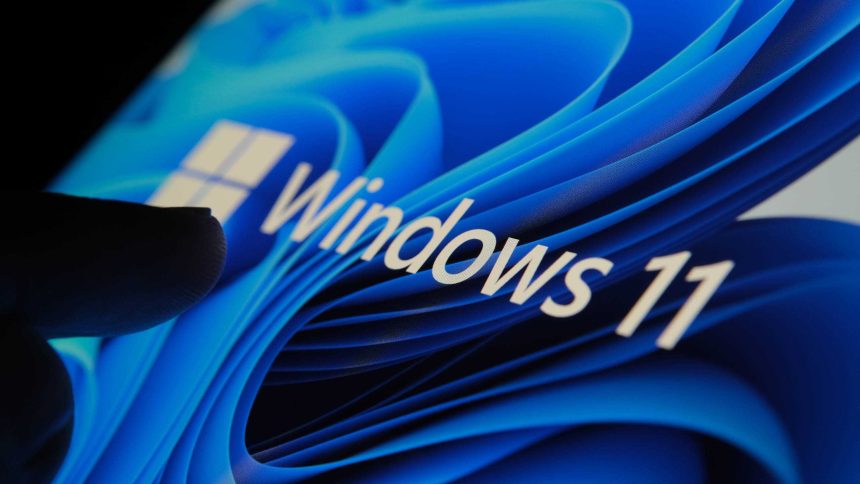
Windows 11 to Integrate Native Age Verification Framework
Microsoft is currently developing a new infrastructure for Windows 11 that introduces system-level age verification. By implementing specialized APIs, the operating system will soon be capable of confirming a user’s age bracket and relaying that data to third-party applications that require age-appropriate content filtering.
How the Age-Gating Mechanism Functions
Rather than exposing sensitive personal data, such as a specific birth date or a precise numerical age, the Windows 11 system will utilize a categorical approach. When an application requests verification, the OS will categorize the user into a predefined demographic segment. These segments are expected to include ranges such as “Under 10,” “10 to 12,” “13 to 15,” “16 to 17,” and “18+.”
Enhancing Digital Safety and Compliance
This shift toward OS-integrated verification reflects a broader industry trend toward stricter digital safety standards. With global regulations like the UK’s Age Appropriate Design Code and similar initiatives in the EU and US gaining momentum, tech giants are under increasing pressure to protect minors online. According to recent data from the Pew Research Center, nearly 95% of teens have access to a smartphone, making system-level safeguards more critical than ever to prevent exposure to age-restricted content or predatory interactions.
By moving this verification process to the system level, Microsoft aims to streamline the user experience. Instead of every individual app requiring its own cumbersome identity check, the operating system acts as a trusted intermediary, providing a consistent and privacy-conscious way to verify user maturity across the entire software ecosystem.