


Gaming Giants Push Back Against Tariff-Related Refund Demands
Major console manufacturers Sony and Microsoft are currently navigating legal challenges as they seek to dismiss class-action lawsuits centered on controversial hardware pricing strategies. At the heart of the dispute is the question of whether these corporations are obligated to reimburse customers for price hikes that plaintiffs claim were directly linked to US-imposed tariffs.
The Core of the Legal Conflict
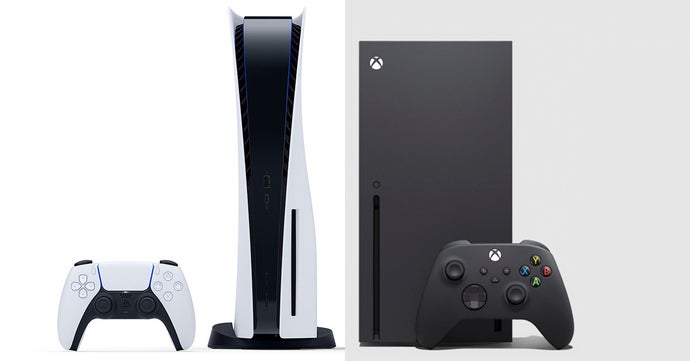
The litigation follows a series of price adjustments for the PlayStation 5 and Xbox consoles that took effect in 2025. Consumers involved in the suits contend that these costs were inflated to offset specific US tariffs. Following a US Supreme Court ruling that deemed these particular tariffs unlawful, plaintiffs argue that the financial burden passed onto them should be returned, as the legal justification for the price surge has been invalidated.
Sony’s Defense: Market Complexity vs. Tariff Impact
In a recent filing within California’s Northern District, Sony Interactive Entertainment (SIE) formally requested that the court throw out the case. The company’s legal representatives have characterized the plaintiffs’ arguments as both “speculative and illogical.”
Rather than attributing the price hikes to government levies, Sony’s defense highlights a multifaceted array of economic pressures. According to the company, the cost of hardware is dictated by a volatile mix of variables, including:
- Global inflationary trends and shifting currency valuations.
- Fluctuating costs for essential semiconductor components and raw materials.
- Complex logistics and supply chain overheads.
- Competitive market positioning and fluctuating consumer demand.
Evidence of Post-Ruling Pricing
A pivotal element of Sony’s defense rests on the timeline of their pricing strategy. The company points out that they continued to adjust hardware prices even after the Supreme Court’s decision to strike down the IEEPA tariffs. Their legal team argues that if the initial price hikes were strictly a reaction to those tariffs, there would have been no economic incentive to maintain or increase those prices once the tariffs were no longer in effect. This ongoing pricing behavior, they argue, serves as evidence that the costs were driven by broader market realities rather than a specific tax policy.
As the gaming industry continues to face pressure from rising production costs-with some analysts noting that the cost of manufacturing high-end consoles has increased by nearly 15% over the last two years due to specialized chip shortages-the outcome of these lawsuits could set a significant precedent for how tech companies justify retail pricing to their consumer base.