


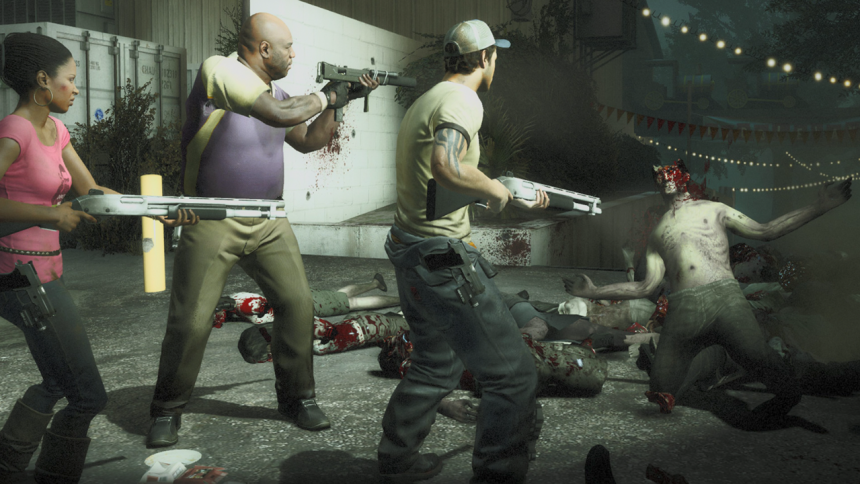
The Strategic Leak: How Valve Outsmarted Regulators to Promote Left 4 Dead 2
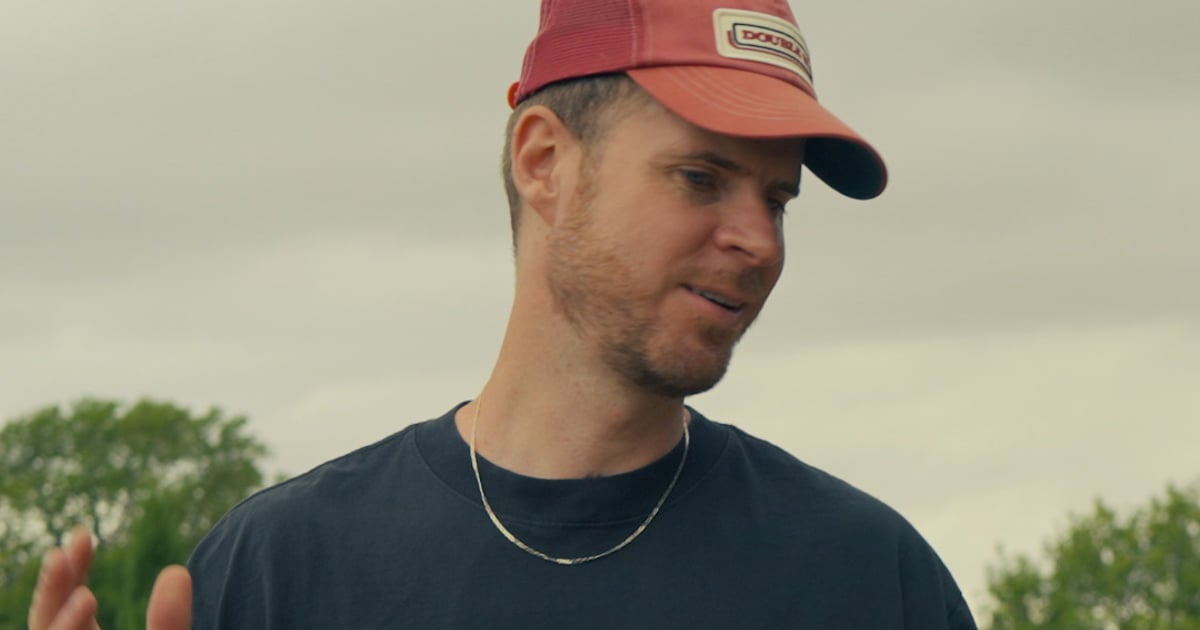
In the high-stakes world of game development, the “leak” is usually a nightmare scenario-a security breach that ruins marketing timelines and compromises intellectual property. However, for Valve, the leak was once a calculated tactical maneuver. Chet Faliszek, a legendary writer behind iconic titles like Half-Life and Portal, recently pulled back the curtain on how the studio bypassed bureaucratic hurdles to get their content in front of fans.
Circumventing the ESRB Gatekeepers
During a recent deep dive on his YouTube channel, Faliszek revealed that the promotional trailer for Left 4 Dead 2 didn’t hit the internet by accident. Instead, it was a deliberate act of defiance. According to Faliszek, the Entertainment Software Rating Board (ESRB) had effectively blocked the studio from officially releasing the footage.
Faced with a regulatory roadblock that threatened to stall their marketing momentum, Valve took matters into their own hands. By “leaking” the trailer themselves, they ensured the community saw the game exactly when the developers intended, rendering the ESRB’s refusal moot.
Why Transparency Comes Decades Later
When asked why this story is only surfacing now, Faliszek offered a pragmatic perspective. With roughly two decades of distance between the event and the present day, the statute of limitations on corporate mischief has long since expired.
“I think we can’t get in trouble for that now,” Faliszek noted. He also pointed out the irony of modern internet culture; while today’s leaks are often preserved forever in high definition, the Left 4 Dead 2 trailer incident has largely faded into obscurity, becoming a “lost” piece of gaming history that is difficult to track down in its original context.
The Anatomy of a Leak: Accidental vs. Intentional
While Valve’s maneuver was a masterclass in guerrilla marketing, it stands in stark contrast to the typical ways information reaches the public. In the modern gaming landscape, leaks generally fall into three categories:
* Malicious Breaches: External actors hacking into secure servers to dump proprietary data.
* Human Error: Employees or contractors accidentally pushing content live before the scheduled embargo.
* Loose Lips: Unverified rumors spread by insiders or playtesters who break non-disclosure agreements.
Most major publishers today invest millions in cybersecurity and strict internal protocols to prevent these occurrences. Yet, Valve’s historical example serves as a reminder that sometimes, when the traditional channels of communication are blocked, the most effective way to reach an audience is to simply bypass the gatekeepers entirely.