






The Push for Ethical Guardrails: Gillibrand Targets Political Crypto Profiteering
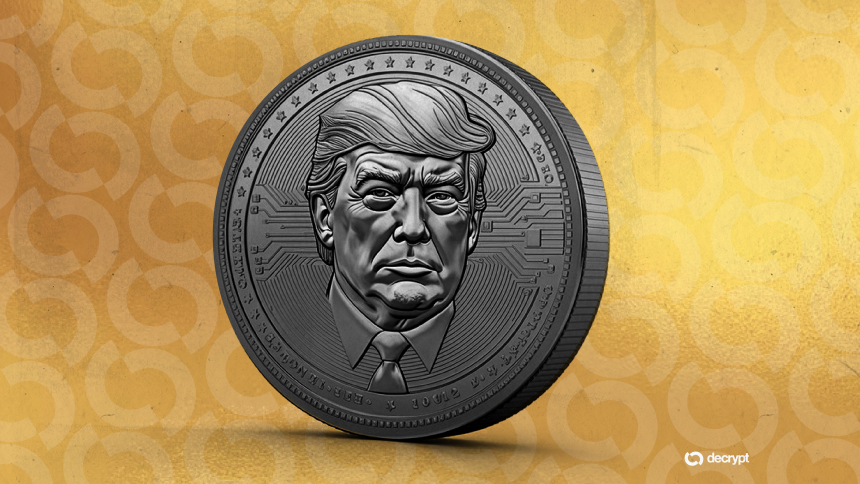
Senator Kirsten Gillibrand is intensifying her legislative crusade to prohibit elected officials and their spouses from launching or promoting digital assets, specifically targeting the volatile meme coin market. This renewed legislative push follows recent financial disclosures revealing that President Donald Trump generated over $1.2 billion in crypto-related income last year, with a significant $635 million portion attributed to a single Solana-based meme coin.
A New Frontier for Conflict of Interest
The intersection of high-level politics and speculative digital assets has created a regulatory gray area that critics argue is ripe for exploitation. Senator Gillibrand, a prominent voice in the Senate regarding digital asset policy, views the issuance of meme coins by public servants as a fundamental breach of ethical standards.
“Public officials and their spouses should not be in the business of issuing meme coins,” Gillibrand stated. She argues that such activities undermine the integrity of the financial system, potentially distracting from the urgent need to establish robust consumer protections and combat illicit financial activities. By prioritizing personal gain through speculative assets, officials risk eroding public trust in the very institutions they are meant to serve.
Expanding the Scope of Congressional Ethics
This initiative is not an isolated event but rather a continuation of Gillibrand’s broader campaign to modernize ethics rules for government officials. Her legislative agenda includes:
* Restricting Prediction Markets: Earlier this year, Gillibrand spearheaded a bipartisan effort to prevent members of Congress from wagering on prediction markets. This move was prompted by mounting concerns that individuals with access to non-public information could gain an unfair advantage, a sentiment echoed by recent controversies surrounding potential insider trading in the executive branch.
* Stock Trading Bans: The Senator remains a staunch advocate for prohibiting senior government officials from trading individual stocks while in office, arguing that the potential for self-dealing is too high to ignore.
The Legislative Hurdle: The Clarity Act
The debate over ethical conduct has become a central friction point in the progress of the Clarity Act, a landmark piece of legislation aimed at defining the market structure for digital assets. Gillibrand has been clear: the bill’s path to becoming law is contingent upon the inclusion of strict ethical provisions that apply to the President and other high-ranking officials.
Despite the urgency, the legislative process has hit a wall. While the bill successfully cleared a Senate committee, the specific language regarding ethical guardrails remains a point of contention. Analysts at Galaxy Research have