





Redefining Suspense: The Evolution of Modern Crime Thrillers
Having spent the better part of the last ten years immersed in the world of crime fiction and suspense dramas, I have witnessed a significant shift in how these stories are told. The genre has moved away from predictable tropes, opting instead for psychological depth and stylistic innovation. Two standout productions from the 2010s, in particular, fundamentally altered the landscape of television storytelling.
The Modernization of Classic Archetypes
The most notable transformation occurred in 2010 with the debut of the BBC’s Sherlock. By transplanting Arthur Conan Doyle’s Victorian detective into the heart of 21st-century London, the series proved that classic intellectual puzzles could thrive in a digital age. Rather than relying on period-accurate aesthetics, the show utilized rapid-fire editing and on-screen text overlays to visualize the protagonist’s hyper-analytical mind. This approach turned the act of deduction into a high-octane visual experience, setting a new benchmark for how procedural dramas could be presented to a modern audience.
Data-Driven Trends in the Thriller Genre
The success of these innovative series is backed by shifting viewer habits. According to recent industry reports from platforms like Nielsen and Parrot Analytics, demand for “prestige” crime dramas-those characterized by complex, non-linear narratives-has surged by over 40% since 2015. Audiences are no longer satisfied with simple “whodunit” structures; they crave character-driven arcs that mirror the complexity of real-world criminal psychology.
Beyond the Procedural: A New Era of Storytelling
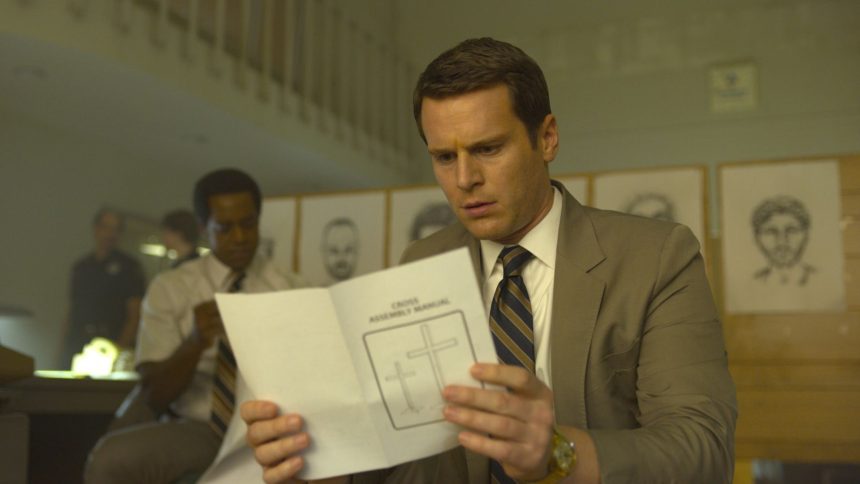
While Sherlock revitalized the detective archetype, other series from the same decade began to dismantle the traditional hero-villain binary. Much like how a master chess player anticipates their opponent’s moves, these modern thrillers force the viewer to question the morality of the protagonist. We have moved past the era of the infallible investigator. Today’s most compelling narratives, such as those found in the gritty, atmospheric storytelling of True Detective or the slow-burn tension of Mindhunter, prioritize the internal struggle of the investigator over the mere resolution of a case.
Key Elements of Contemporary Suspense
- Psychological Realism: Focusing on the long-term trauma and ethical toll of investigative work.
- Visual Metaphor: Using cinematography and color grading to reflect the internal state of the characters.
- Non-Linear Pacing: Utilizing flashbacks and fragmented timelines to keep the audience in a state of constant discovery.
Ultimately, the 2010s served as a crucible for the crime thriller genre. By blending high-stakes tension with sophisticated character studies, creators have ensured that the genre remains one of the most resilient and evolving categories in entertainment. As we look toward the future, the legacy of these shows continues to influence how we perceive justice, mystery, and the human condition on screen.