



The Rise and Fall of 3D Television: Lessons from a Failed Home Cinema Revolution
As the consumer electronics industry pivots toward the next frontier-highlighted by the emergence of Micro RGB TVs and the rapid evolution of OLED display technology-it is worth reflecting on the industry’s most notable misstep of the last decade: the 3D television craze. For a fleeting window in the early 2010s, 3D capability was the “must-have” feature for every living room, driven by a wave of blockbuster spectacles like Avatar and How to Train Your Dragon. Yet, by 2015, the technology had been unceremoniously abandoned in favor of 4K resolution and High Dynamic Range (HDR) standards. Why did this immersive promise fail to stick?
The Hollywood Catalyst and the Hardware Push
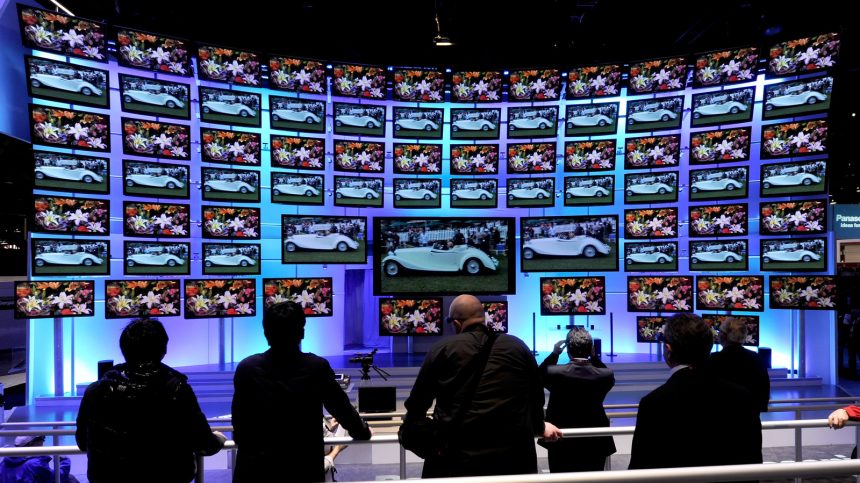
The 3D boom was largely a top-down phenomenon. Following the massive box-office success of James Cameron’s Avatar in 2009, which grossed over $2.9 billion globally, Hollywood studios scrambled to convert their catalogs into 3D. Television manufacturers, eager to differentiate their products in a saturated market, followed suit. By 2012, nearly every mid-to-high-end television set shipped with 3D functionality baked in. The industry assumed that if they built the hardware, the content ecosystem would naturally follow. However, this strategy ignored the fundamental friction points of the user experience.
The Friction of the Home Viewing Experience
Unlike the theater, where 3D is a passive, communal event, the home environment proved hostile to the technology. The primary barriers included:
- The Accessory Burden: Requiring viewers to wear specialized, often uncomfortable, active-shutter or passive polarized glasses turned a casual movie night into a logistical chore.
- Content Scarcity: While theaters had a steady stream of 3D releases, the home market suffered from a lack of native 3D content. Most consumers found themselves watching upscaled 2D content, which rarely offered a compelling visual upgrade.
- Visual Fatigue: Many users reported headaches and eye strain after prolonged viewing, a physiological hurdle that manufacturers could never fully engineer away.
The Shift Toward Resolution and Contrast
By the mid-2010s, the industry realized that consumers valued image quality over gimmicky depth. The transition to 4K (Ultra HD) and HDR provided a tangible, immediate improvement in picture quality that didn’t require extra hardware or cause physical discomfort. According to industry data from the time, the adoption rate of 4K TVs skyrocketed as prices dropped, effectively cannibalizing the R&D budgets previously allocated to 3D.
Today, the focus has shifted entirely toward panel technology. With the evolution of OLED, we are seeing perfect blacks and infinite contrast ratios that make the “pop” of 3D seem unnecessary. Modern displays prioritize color accuracy and brightness-features that enhance every frame of content, rather than just a select few blockbuster films. The failure of 3D serves as a permanent reminder to manufacturers: technology that adds friction to the user experience, no matter how impressive the initial demo, is rarely destined for long-term success.
The Rise and Fall of 3D Television: Why the Living Room Experiment Failed
For a brief window in the early 2010s, the electronics industry was convinced that 3D television would be the next great evolution in home entertainment. However, the technology quickly withered. While Hollywood studios aggressively pushed 3D films to justify inflated ticket prices, the home experience never matched the hype. Ultimately, the convenience-driven nature of modern media consumption rendered 3D TVs obsolete, proving that consumers prioritize ease of use over gimmicky visual effects.
The Logistical Nightmare of Home 3D
Between 2010 and 2015, owning a 3D-capable television felt less like a luxury and more like a chore. The barrier to entry was high, requiring a complex ecosystem of hardware. Users were forced to invest in specialized eyewear-ranging from inexpensive passive frames to costly, battery-dependent active shutter glasses that required frequent recharging. Beyond the hardware, the software ecosystem was equally fragmented; you needed a compatible Blu-ray player and had to hunt down specific 3D discs, which often carried a significant price premium compared to their standard counterparts.
Even for enthusiasts who navigated these hurdles, the payoff was inconsistent. The immersion factor was strictly tied to screen size and proximity. On a standard 42-inch or 50-inch display, the depth effect was often underwhelming unless the viewer sat uncomfortably close. Furthermore, hosting a 3D movie night was a logistical headache, requiring a stockpile of glasses for guests-a far cry from the “plug-and-play” simplicity of modern streaming.
Technical Compromises and Content Scarcity
The technical limitations of the hardware were perhaps the final nail in the coffin. Passive 3D systems, which were popular for their affordability, effectively cut the 1080p resolution in half to create the stereoscopic effect, resulting in a noticeably softer image. While high-end active shutter systems maintained resolution, they introduced flicker and weight issues that caused eye strain during long viewing sessions.
Content availability was equally dismal. Major broadcasters, including ESPN and the BBC, attempted to pioneer 3D sports and programming, but abandoned the format by 2013. As Kim Shillinglaw, the BBC’s former head of 3D, noted, the friction of finding glasses and the “hassle” of the setup simply didn’t align with how people naturally consume television at home. Unlike the cinema, where the environment is curated for a singular focus, home viewing is often casual and multi-tasking-oriented.

The Shift to 4K and HDR: A Superior Standard
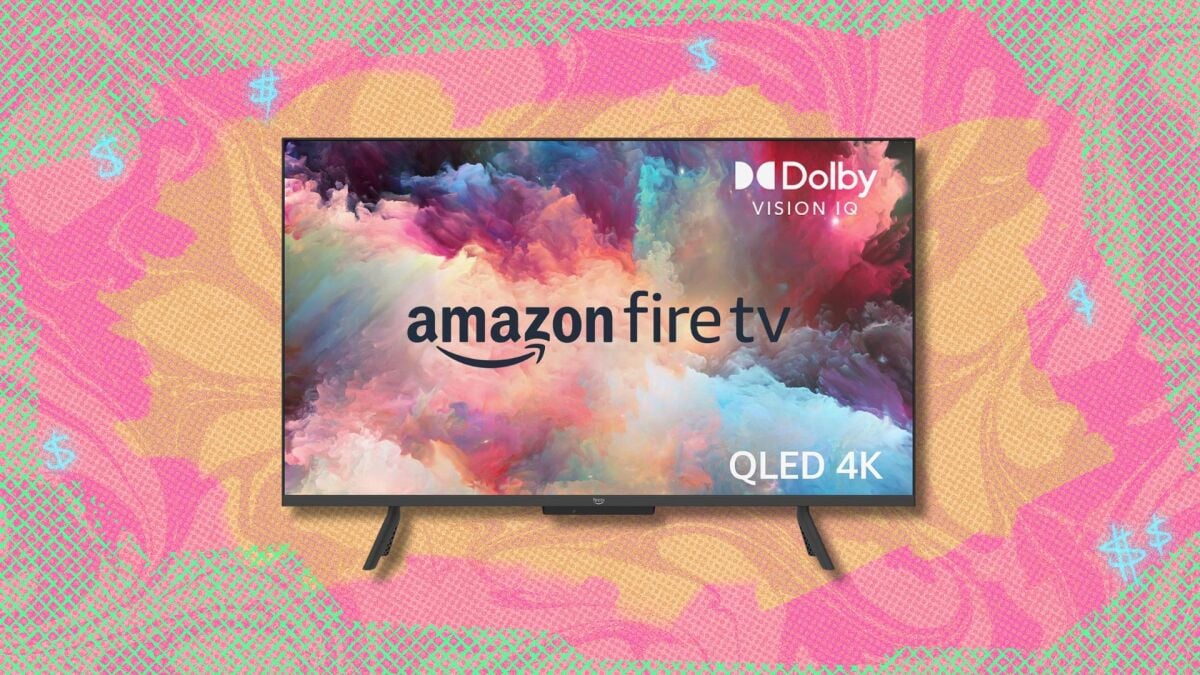
As the 3D fad faded, the industry pivoted toward 4K resolution and High Dynamic Range (HDR). Unlike 3D, these technologies offered immediate, tangible benefits: sharper images, vibrant colors, and deeper contrast. Most importantly, they required zero extra effort from the user. With the rise of streaming giants like Netflix and Disney+, 4K content became ubiquitous overnight. Modern upscaling technology also ensured that even legacy HD content looked superior on these new panels, making the transition seamless.
Data on the Decline
The failure of 3D TV is well-documented in market analytics. According to data from Precision Reports, while roughly 25 percent of households with 3D-capable sets experimented with the feature during its peak years (2010-2018), the retention rate was abysmal. Less than 10 percent of those users continued to utilize the 3D functionality after three years. Perhaps most telling, the report indicates that 65 percent of owners abandoned the technology entirely shortly after purchase, citing the inconvenience of the glasses and the lack of compelling, accessible content as the primary drivers for their dis
The Rise, Fall, and Uncertain Future of 3D Entertainment
The 3D revolution, once heralded as the future of home and cinematic entertainment, ultimately hit a wall. Consumer data highlights two primary culprits for this decline: half of all users reported physical fatigue during extended viewing sessions, while 42 percent cited the prohibitive cost of specialized hardware as a dealbreaker. Despite these historical hurdles, market analysis from Precision Reports suggests a potential 15 percent expansion in the 3D sector by 2036. This projected growth hinges on the evolution of glasses-free displays, industrial applications, and the gaming sector. However, skepticism remains; current autostereoscopic (glasses-free) technology often struggles with multi-viewer support, as these systems frequently rely on precise eye-tracking that fails when more than one person is in the room.
Hollywood’s Miscalculation: From Spectacle to Fatigue
The late 2000s marked a gold rush for stereoscopic cinema. Following the massive success of Avatar in 2009, studios scrambled to capitalize on the 3D trend. It was viewed as a lucrative “value-add” that allowed exhibitors to inflate ticket prices. For a brief window, audiences were captivated by the novelty, but the enchantment faded rapidly. By 2012, the novelty had worn thin, and data from The Hollywood Reporter confirmed a sharp decline in 3D ticket sales for major releases like Brave and Madagascar 3.
Industry insiders at the time were quick to identify the shift in consumer sentiment. One studio distributor noted that the industry had inadvertently transformed the casual moviegoing experience into a high-stakes “appointment” event. By forcing a premium price point on every blockbuster, studios alienated the average viewer, effectively killing the habit of spontaneous theater visits.
The Quality Gap: Authentic Innovation vs. Cheap Conversions
The decline of 3D wasn’t just about pricing; it was a crisis of quality. James Cameron’s Avatar succeeded because it was designed from the ground up using advanced stereoscopic camera rigs. Conversely, many studios rushed to capitalize on the trend by using “post-conversion” techniques-a process where 2D footage is artificially layered to create depth. This often resulted in a muddy, dim, and visually jarring experience that lacked the immersion of true 3D.
This “quantity over quality” approach saturated the market with subpar content, leading to widespread viewer burnout. When audiences realized that the extra $5 on their ticket price didn’t guarantee a superior visual experience, they stopped paying for it. Today, as we look toward the next generation of immersive displays, the industry must learn that technology alone cannot sustain a medium; it requires a commitment to artistic integrity and a genuine focus on user comfort to avoid repeating the mistakes of the early 2010s.
The Rise, Fall, and Lingering Legacy of 3D Cinema
The mid-2000s sparked a technological gold rush in Hollywood, driven by the promise of immersive 3D. However, the industry quickly pivoted from innovation to exploitation. Studios began rushing “post-converted” titles to theaters-films like Clash of the Titans were originally shot in 2D and crudely upscaled to 3D. The result was often a visual disaster; audiences were frequently met with murky, dim, and headache-inducing imagery that lacked the spatial depth of a natively filmed project. This shortcut-heavy approach effectively soured the public on the format almost as quickly as it had arrived.
The Erosion of Audience Trust
By 2011, the backlash was palpable. Industry veteran Jeffrey Katzenberg, who would later co-found the short-lived streaming platform Quibi, famously lamented the state of the industry. He noted that the initial wave of genuine excitement had been replaced by deep-seated skepticism. According to Katzenberg, the film business had squandered its most significant opportunity in a decade by prioritizing quick profits over quality control. When viewers pay a premium for a 3D ticket, they expect a premium experience; when they receive a blurry, dark, and poorly rendered conversion, they stop showing up. The market spoke, and the message was clear: consumers felt cheated by the lack of technical integrity.
The Few That Got It Right
Despite the industry-wide failure to maintain standards, a select group of visionary directors proved that 3D could be a transformative storytelling tool when handled with care. Rather than relying on post-production gimmicks, these filmmakers utilized native 3D rigs to craft depth that felt organic rather than forced.
Standout examples include:
- James Cameron’s Avatar: The gold standard for the format, proving that 3D could be an essential narrative component.
- Alfonso Cuarón’s Gravity: Used 3D to amplify the terrifying isolation of space.
- Martin Scorsese’s Hugo: Demonstrated how 3D could add a sense of wonder to historical set design.
- Ang Lee’s Life of Pi: Leveraged the technology to create a dreamlike, painterly aesthetic.
- Ridley Scott’s The Martian: Proved that 3D could enhance grounded, realistic sci-fi settings.
Additionally, animated features like How to Train Your Dragon and Pixar’s Up thrived because their digital environments were natively rendered in 3D from the start. Unfortunately, because these high-quality experiences were the exception rather than the rule, the library of “must-watch” 3D content remained too thin to justify the purchase of expensive 3D-capable home televisions, which were eventually discontinued by major manufacturers like LG and Sony around 2016.
The Shift Toward Large-Format 2D
Today, the landscape of premium cinema has shifted. While 3D still exists, it is largely relegated to massive blockbuster franchises-most notably the Avatar sequels, which continue to experiment with high-frame-rate (HFR) technology to improve motion clarity. However, the industry’s focus has largely moved away from the “gimmick” of 3D and toward the “prestige” of large-format 2D.
Directors like Christopher Nolan have been instrumental in this transition. By championing IMAX 70mm film, Nolan has shifted the conversation from “depth perception” to “image resolution and scale.” Modern audiences are now more likely to seek out a massive,
The Modern Landscape of 3D Cinema: How to Watch Without the Legacy Hardware
The era of the 3D television and the dedicated Blu-ray player has largely faded into history. For enthusiasts looking to recapture that immersive, depth-filled cinematic experience today, the path forward is no longer about plugging in a disc player. Instead, it requires navigating a landscape of high-end projection systems and cutting-edge wearable technology. While the barrier to entry is higher than it was a decade ago, the quality of the experience has arguably never been better.
The Projector Renaissance: Bringing the Theater Home
For those who prefer a traditional “big screen” feel, projectors have become the primary vessel for 3D content. Enthusiasts frequently turn to brands like BenQ, which have maintained a strong reputation for delivering reliable 3D performance in a home theater setting. However, if you are looking for a premium, high-fidelity experience, the market offers sophisticated options like the XGIMI Titan Noir Max. While this unit earned an impressive 8.5/10 rating for its stunning image clarity, it comes with a significant price tag of $6,000. Beyond the hardware, users must also factor in the recurring cost of purchasing multiple pairs of active shutter glasses to accommodate guests, which can quickly inflate the total investment.
The Rise of Spatial Computing and VR
If you prefer a personal, private theater experience, Virtual Reality (VR) and spatial computing have effectively replaced the 3D TV. Apple’s Vision Pro has set a new benchmark for this medium, offering seamless integration with platforms like Disney+ and the Apple TV app. The visual fidelity is undeniably spectacular, providing a level of immersion that traditional screens struggle to match. Yet, this luxury comes at a steep cost, with the device retailing at $3,690.
For a more accessible entry point, Meta Quest headsets remain a popular choice. Through applications like Bigscreen VR, users can access a library of 3D films, though the user interface and rental process are notably less streamlined than the Apple ecosystem. It is worth noting that because VR headsets are built on stereoscopic technology, they are natively compatible with almost any 3D video file. Furthermore, the rise of AR-focused hardware, such as the Xreal One Pro, provides a lightweight alternative for those who want to enjoy 3D content without the bulk of a full VR headset.
Looking Toward a Glasses-Free Future
The ultimate goal for display manufacturers remains the “Holy Grail” of 3D: a glasses-free experience that works for multiple people simultaneously. While we have seen prototypes of glasses-free 3D displays, they often struggle with viewing angles and image consistency. The industry is currently pivoting toward holographic display technology, such as the advancements seen in the Looking Glass Musubi. These innovations suggest that we are moving toward a future where 3D content is consumed as naturally as 2D, though we are likely still years away from seeing these technologies become a standard fixture in the average living room.
Quick Summary of 3D Viewing Options
- High-End Projection: Best for group viewing; requires significant investment in hardware and active shutter glasses.
- Spatial Computing (Vision Pro): Offers the highest visual quality but carries a premium price point.
- VR Headsets (Meta Quest): A versatile, mid-range option that supports a wide variety of file formats.
- AR Glasses (Xreal): Ideal for portable, personal 3D viewing on the go.