



The Great Consolidation: How Oppo, OnePlus, and Realme Are Reshaping Their Software Future
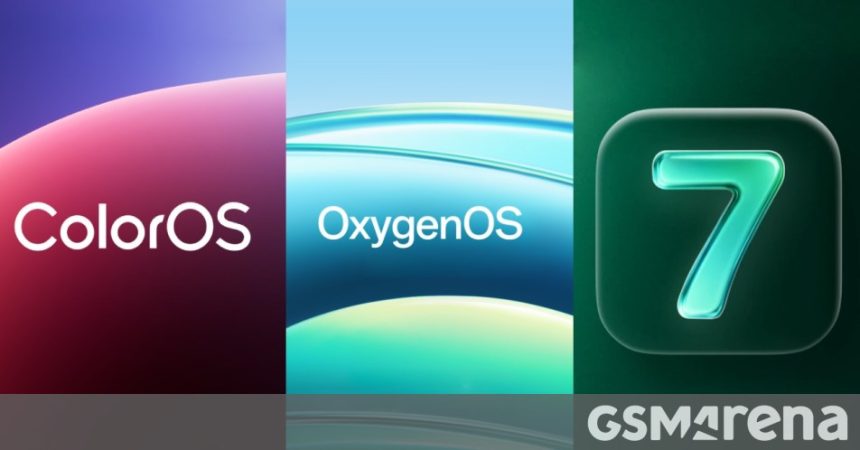
The landscape of the smartphone industry is undergoing a significant transformation. What began as a strategic pivot in 2021-when OnePlus CEO Pete Lau announced the integration of OxygenOS and ColorOS-is now evolving into a comprehensive corporate restructuring. Industry insiders suggest that the next phase of this consolidation involves bringing Realme UI into the fold, effectively unifying the software experience across three major brands under the Oppo umbrella.
## A Unified Software Ecosystem
The primary driver behind this shift is operational efficiency. By transitioning OnePlus, Oppo, and Realme devices to a single, unified version of ColorOS, the parent company aims to drastically slash research and development expenditures. Maintaining three distinct software branches is resource-intensive; by streamlining the codebase, the company can focus its engineering talent on refining a single, high-performance operating system rather than juggling fragmented updates and feature sets.
This move mirrors broader trends in the tech sector, where companies are increasingly prioritizing “platformization” to ensure consistent user experiences and faster deployment of security patches.
## The Strategic Retreat: OnePlus’s Changing Global Footprint
The software merger is merely the tip of the iceberg. Recent market behavior indicates a deliberate contraction of the OnePlus brand. In regions like Germany, consumers are being actively directed toward Oppo hardware, while inventory levels in the UK have plummeted, signaling a potential exit from several Western markets.
Current reports suggest that OnePlus is narrowing its focus to two primary strongholds: India and China. Even within these territories, the lines between the brands are blurring. In India, for instance, the transition is already well underway, with Oppo service centers now managing after-sales support for OnePlus hardware. This integration suggests that the “OnePlus” name may eventually function more as a product line within the broader Oppo ecosystem rather than an independent entity.
## Realme’s Global Pivot
While OnePlus retreats to its core markets, Realme is taking a different path. The brand is reportedly shifting its focus away from the saturated Chinese market to prioritize international expansion.
The rumored merger between OnePlus and Realme operations is expected to have the most significant impact in India, where both brands have historically competed for the same demographic. In other global regions, however, the distinction between the two may become purely cosmetic, as the underlying hardware and software architectures become increasingly indistinguishable.
## The US Market Dilemma
The implications for the United States remain shrouded in uncertainty. The American smartphone market is notoriously difficult to penetrate, currently dominated by a triopoly of Apple, Samsung, and Motorola.
Historically, OnePlus struggled to gain significant traction in the US, rarely exceeding a 1% market share. Oppo, meanwhile, remains a largely unrecognized name to the average American consumer-a stark contrast to its former reputation as a premium manufacturer of high-end Blu-ray and DVD players. Whether the parent company will attempt to reintroduce the Oppo brand to the US or simply withdraw from the region entirely remains an open question.
## What This Means for the Consumer
For the end-user, this consolidation represents the end of an era. The “golden age” of distinct, enthusiast-focused software like the original OxygenOS is being replaced by a more standardized, corporate-driven approach. While this may lead to more stable software and better long-term support, it also signals the loss of the unique brand identities that once defined these companies.


As the industry moves toward this unified model, the focus shifts from brand loyalty to ecosystem reliability. Whether this strategy will allow the conglomerate to challenge the dominance of global giants remains to be seen, but one thing is certain: the era of independent, niche-focused software branches is rapidly coming to a close.