

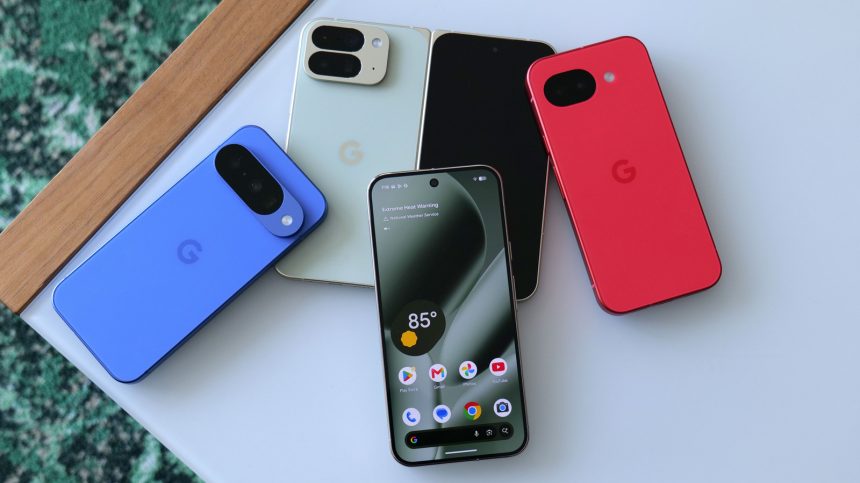

Decoding the Variations: How Global Google Pixel Models Differ from US Versions
While Google has cemented its status as a global titan in the smartphone industry, the devices you unbox in New York aren’t always identical to those purchased in Tokyo or Berlin. To navigate the complex landscape of international telecommunications regulations, regional infrastructure, and consumer expectations, Google subtly tailors its Pixel lineup for specific markets. If you have ever wondered whether importing a device or buying one while traveling abroad impacts your experience, here is a breakdown of how these regional variations manifest.
Consistency in Core Performance
One of the most significant shifts in recent years is the move toward hardware uniformity. Unlike competitors such as Samsung, which historically bifurcated their flagship lines by utilizing Qualcomm Snapdragon processors in North America and their proprietary Exynos chips in international markets, Google has maintained a more consistent approach.
For the latest iterations, including the Pixel 10 series, the internal architecture remains largely standardized. Whether you are in the United States or abroad, you are generally getting the same Google Tensor silicon, identical RAM configurations, and the same storage capacities. Furthermore, the display technology, camera sensor arrays, and fast-charging protocols are typically consistent across the board. This design philosophy ensures that a user in London enjoys the same computational photography prowess and processing speed as a user in Los Angeles.
Navigating Regional Regulatory Landscapes
While the “under the hood” components remain stable, the external and software-based configurations are where the divergence occurs. These changes are rarely about performance and almost always about compliance.
1. Cellular Band Support
The most critical difference lies in radio frequency support. Different nations utilize distinct spectrum bands for 4G LTE and 5G connectivity. A Pixel model optimized for the US market is calibrated to prioritize the specific bands used by carriers like Verizon, T-Mobile, and AT&T. Conversely, international models are tuned to support the frequency bands prevalent in Europe, Asia, or Australia. If you attempt to use a device in a region it wasn’t designed for, you might find yourself struggling with slower data speeds or, in extreme cases, an inability to connect to 5G networks entirely.
2. Regulatory Compliance and Physical Markings
Every country has its own set of certification requirements for consumer electronics. You will often notice that the regulatory symbols printed on the back of a device-or hidden within the “About Phone” settings menu-vary by region. For instance, a device sold in the European Union must carry the CE mark, indicating it meets EU safety, health, and environmental protection requirements. These markings are not merely aesthetic; they are legal mandates that dictate how the device is manufactured and labeled for that specific territory.
3. Software and Feature Availability
Google’s software suite is also subject to regional limitations. Certain features, such as specific AI-driven call screening tools, localized Google Assistant capabilities, or even the availability of the Google Wallet transit card integration, are often gated by geography. These restrictions are usually tied to local privacy laws, such as the GDPR in Europe, or the lack of partnerships with local transit authorities and financial institutions.
Why These Differences Matter
For the average consumer, these nuances are often invisible. However, for tech enthusiasts or frequent travelers, they are vital considerations.
* Warranty and Support: Purchasing a device outside of your home country can complicate warranty claims. Google’s support teams are often restricted to providing service only for devices officially sold within their specific region.
* Carrier Compatibility: Before importing a phone, it is essential to check the specific model number against your local carrier’s frequency requirements. Even if a phone is “unlocked,” it may not be “optimized” for your local network’s infrastructure.
* Power Adapters: While the USB-C standard has simplified charging, the physical wall plugs vary. While Google has moved away from including chargers in the box, the regional variants of the power bricks (if purchased separately) will reflect the local electrical standards.


The Bottom Line
Google has done an impressive job of keeping
Global Variations in the Google Pixel 10 Series: What You Need to Know
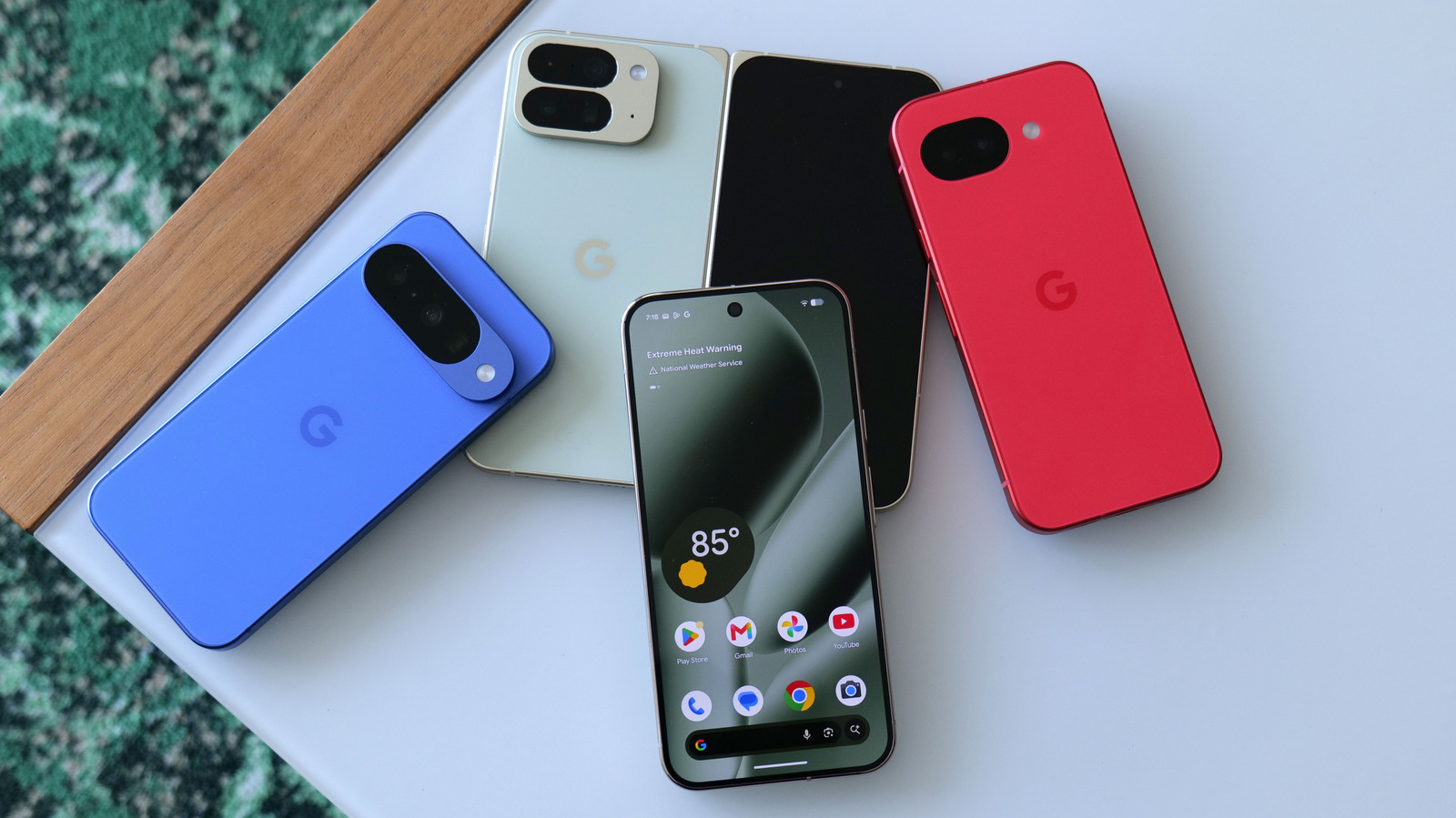
When comparing the Google Pixel 10 lineup across different global markets, the core experience remains remarkably consistent. Whether you are picking up a device in North America or overseas, you are generally looking at the same powerhouse internals: the Tensor G5 chipset, 12GB of RAM, and storage configurations starting at 128GB. The visual identity of the phone-from the 6.3-inch Actua OLED display to the sophisticated camera array featuring a 48MP primary sensor, 12MP ultra-wide, and 10.8MP telephoto lens-remains uniform. Even the chassis materials and color palettes are standardized globally.
However, beneath the surface, there are nuanced differences driven by regional infrastructure and regulatory environments.
### The Shift Toward eSIM-Only Architecture
A notable hardware divergence exists regarding SIM card support. In the United States, the Pixel 10, Pixel 10 Pro, and Pixel 10 Pro XL have transitioned to an eSIM-only model. Google justifies this shift by citing the high adoption rate of eSIM technology among major American carriers. Furthermore, removing the physical SIM tray creates valuable internal real estate, which Google has repurposed to house the complex antenna components required for mmWave 5G connectivity.
Interestingly, international versions of these same models retain the traditional Nano SIM slot alongside eSIM capabilities. The notable exception to this rule is the Pixel 10 Pro Fold; regardless of whether you purchase it in the US or abroad, this foldable device includes a physical SIM tray, likely due to its unique internal layout.
### Software Rollouts and Regional Localization
While the software experience is largely identical, the rollout of cutting-edge features is rarely simultaneous. Because Google operates in over 30 countries and supports a vast array of languages, the company must navigate complex regulatory hurdles and linguistic nuances before launching new tools.
Take “Magic Cue,” for instance-an AI-driven feature that intelligently extracts calendar events and addresses from your messages. While it is currently live in major markets like the US, Canada, India, the UK, and Japan, users in other regions may face a waiting period. This staggered release strategy ensures that Google can maintain high standards for accuracy and compliance before a global launch.
### Navigating Cellular Compatibility and 5G Standards
The most significant practical difference between regional Pixel variants lies in cellular radio support. While it might seem intuitive that a phone should work anywhere, the reality of global telecommunications is fragmented.
The primary driver of this fragmentation is the implementation of 5G. In the United States, carriers like Verizon have aggressively deployed mmWave 5G. This technology provides blistering data speeds, though it suffers from limited range and poor building penetration compared to the more common sub-6GHz or mid-band frequencies. Because mmWave infrastructure is less prevalent in many international markets, Google often omits the necessary hardware in non-US models to streamline production costs and optimize battery efficiency.
Additionally, the US market maintains rigorous certification standards for carrier-sold devices. These strict vetting processes are a primary reason why many international smartphone brands-particularly those from China-do not have an official presence in the American market.
### Final Verdict: Where Should You Buy?
If you are weighing your options for your next smartphone purchase, the golden rule remains: buy the device in the region where you intend to use it most. While the Pixel 10 series offers impressive global parity, purchasing a device tailored to your local carrier’s specific frequency bands and regulatory requirements ensures the most reliable connectivity and the smoothest access to localized software features. While the hardware is largely universal, the “invisible” differences in cellular support and software availability are critical factors for any frequent traveler or international transplant to consider.
Decoding the Discrepancies: US vs. International Google Pixel Models
When purchasing a Google Pixel, many consumers assume that a flagship device is identical regardless of where it is bought. However, the reality is that there are significant technical and functional variations between units manufactured for the United States market and those intended for international distribution. Understanding these nuances is critical for ensuring your device performs optimally in your specific region.
Regional Hardware Variations and Connectivity
The most prominent distinction between these models lies in the internal hardware, specifically regarding cellular radio bands. US-based Pixels are meticulously calibrated to support the specific frequency bands utilized by major American carriers like Verizon, AT&T, and T-Mobile.
Conversely, international models are optimized for global standards, often prioritizing different 5G and LTE bands common in Europe or Asia. If you import a device, you may encounter “dead zones” or inconsistent data speeds because the phone’s modem is not tuned to the local carrier’s infrastructure. For instance, while a US model might excel at utilizing mmWave 5G, an international variant might lack the necessary antenna hardware to tap into those high-frequency networks entirely.
The eSIM and Physical SIM Landscape
The evolution of SIM technology has created another layer of complexity. In the US, Google has aggressively pushed for eSIM-only configurations in recent iterations. While this offers convenience for travelers, it can be a hurdle for users in regions where physical SIM cards remain the standard for prepaid services.
International models often retain dual physical SIM slots or a hybrid configuration, providing more flexibility for users who frequently switch carriers or travel across borders. Before purchasing, it is essential to verify whether your local network provider supports the specific eSIM provisioning required by a US-imported device.
Warranty, Support, and Regional Restrictions
Beyond the hardware, the “soft” side of ownership-warranty and software support-differs drastically. Google’s warranty policies are strictly regional. A Pixel purchased in the US typically cannot be serviced under warranty at an authorized repair center in another country.
Furthermore, certain software features are geo-fenced. Features like Call Screen, Hold for Me, or specific AI-driven diagnostic tools are often restricted based on the device’s region code. Even if you use a VPN, the underlying firmware of an international model may prevent these features from activating, as they are tied to the device’s original market designation.
Performance and Charging Standards
While the processor (the Google Tensor chip) remains consistent across the board, the power management and charging protocols can vary. International models must comply with diverse regional electrical safety standards, which can occasionally influence the maximum charging wattage supported by the device’s power management integrated circuit (PMIC).
Additionally, the “out-of-the-box” experience differs. US models are often bundled with specific carrier-locked software or pre-installed apps that are absent from the “cleaner” international versions. If you prefer a bloatware-free experience, international unlocked models are generally the preferred choice for enthusiasts.
Final Considerations for Buyers
If you are considering importing a Pixel, weigh the following:
* Network Compatibility: Check your carrier’s specific band requirements against the device’s technical specifications.
* Feature Availability: Research if the AI features you value are supported in your region.
* Repairability: Accept that you may be responsible for all repair costs if the device fails, as local support centers may refuse to service imported hardware.
Ultimately, while the Google Pixel remains a premium device globally, the “US vs. International” divide is a tangible reality. Choosing the model that aligns with your local infrastructure is the best way to ensure a seamless, high-performance experience.