




Behind the Scenes: The Creative Tug-of-War That Defined DC’s Supergirl
The recent box office struggles of Supergirl have sparked intense speculation regarding the film’s troubled production. Following a disappointing opening weekend that saw the movie pull in just $68 million, reports have surfaced detailing a significant internal rift at DC Studios. It appears that creative friction between leadership and the production team led to an unusual strategy: testing two competing versions of the film to determine its final theatrical cut.
A Clash of Visions: Gunn, Safran, and Gillespie
According to insights shared by The Hollywood Reporter, the development of Milly Alcock’s debut as the Girl of Steel was far from smooth. Sources indicate that DC Studios heads James Gunn and Peter Safran were fundamentally misaligned with director Craig Gillespie regarding the film’s narrative direction.
While some industry insiders characterize this as standard creative tension, others suggest the disconnect was profound. This lack of synergy was reflected in early test screenings, where the film consistently struggled to surpass a 70/100 rating-a concerning metric for a high-budget superhero tentpole.
The “Two-Cut” Strategy
The studio’s alarm bells began ringing as early as the fall of 2025. By December, following a lackluster screening, DC Studios took the rare step of intervening directly. They enlisted Jeremy Slater-known for his work on Moon Knight and Mortal Kombat 2-to help craft an alternative version of the film.
Between December 2025 and March 2026, the studio conducted at least four test screenings. During this period, they pitted two distinct cuts against one another:
* The Director’s Cut: Gillespie’s version was reportedly 11 minutes longer and focused heavily on the character arc of the antagonist, Krem, played by Matthias Schoenaerts.
* The Studio Cut: A tighter, re-edited version designed to address the pacing issues identified in earlier screenings.
Ultimately, the studio’s version outperformed the director’s cut by a narrow margin of two points. This version was the one finalized for the June 2026 release. An anonymous filmmaker familiar with studio politics noted that while testing multiple cuts isn’t entirely unheard of, it is a “red flag” that signals deep-seated anxiety within the studio regarding the project’s viability.
Post-Production Hurdles and Musical Missteps
The friction didn’t end with the edit. The film’s post-production phase was also plagued by debates over the soundtrack, an element that has since become a focal point of fan criticism.
The inclusion of a cover of Jimmy Eat World’s “The Middle” during a pivotal climax has been widely mocked on social media, with many viewers finding the musical choice jarring and tonally inconsistent with the rest of the film. This decision serves as a prime example of the broader “creative dissonance” that defined the project. Much like the infamous “musical mismatch” seen in other recent superhero flops, the soundtrack choice in Supergirl highlights how disjointed creative decisions can alienate an audience before the credits even roll.
The Broader Impact on the DCU
For a studio attempting to launch a cohesive new cinematic universe, the Supergirl situation is a significant setback. When a project requires such heavy-handed intervention-effectively sidelining the director’s vision in favor of a studio-mandated edit-it often results in a product that feels disjointed.
As DC Studios moves forward, the lessons from Supergirl are clear: alignment between creative vision and studio strategy is not just a luxury; it is a necessity for success in an increasingly critical superhero market. With the film failing to resonate with audiences, the pressure is now on Gunn and Safran to ensure that future installments in the DCU avoid the “too many cooks” scenario that hampered this high-stakes debut.

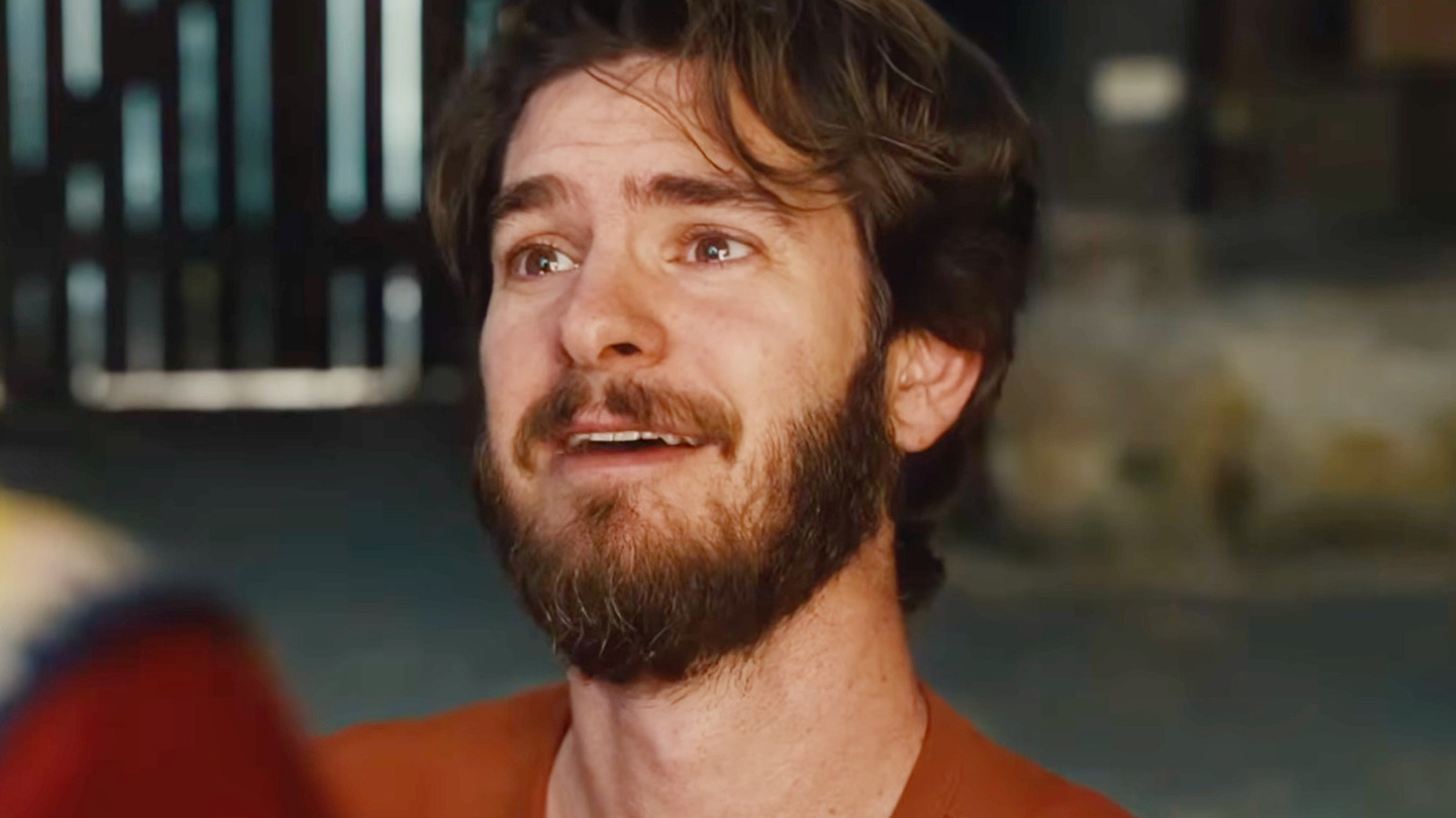
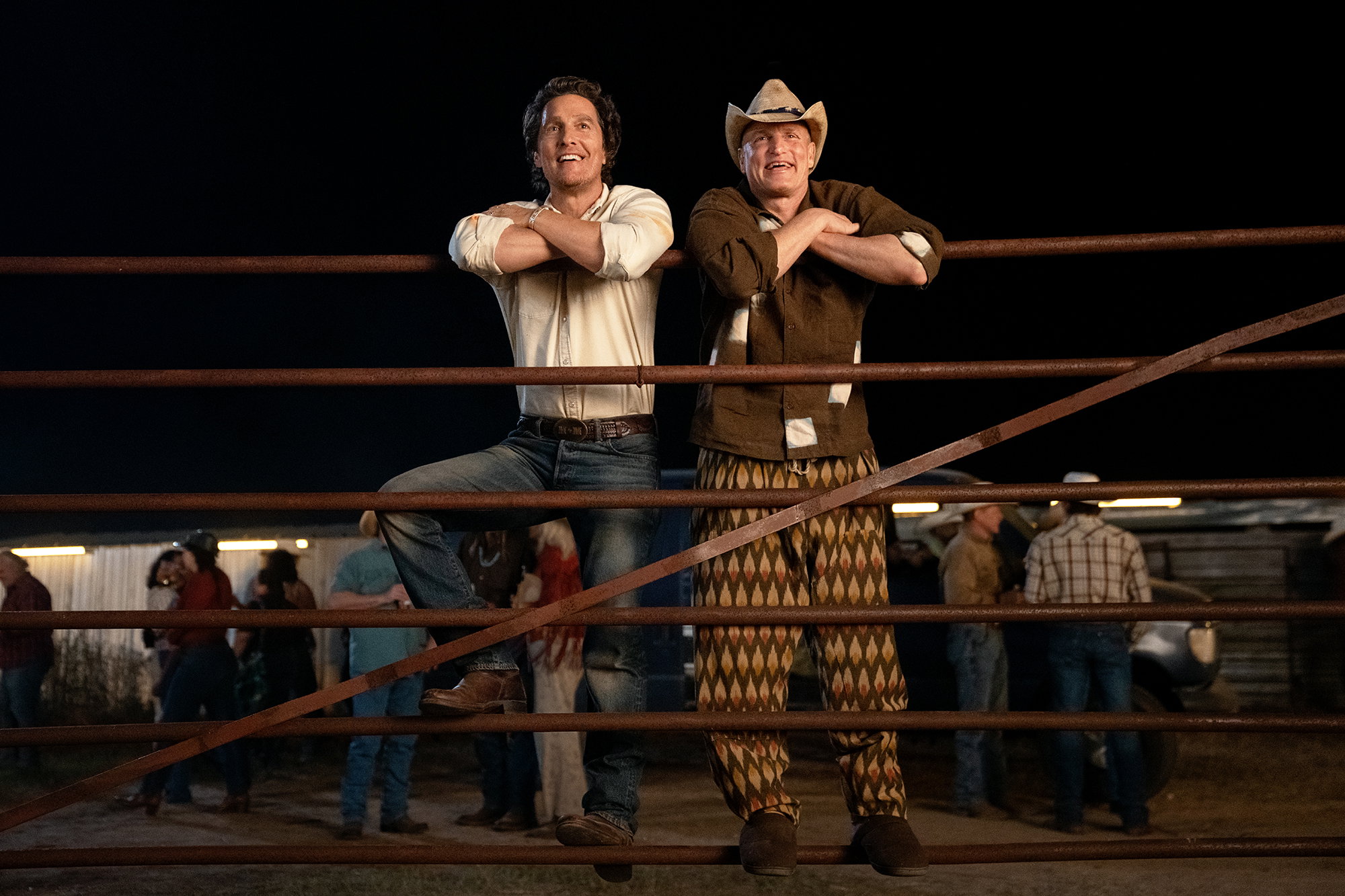
The Creative Choices Behind Supergirl’s Controversial Slow-Motion Sequence
The much-discussed slow-motion fight sequence in the latest DCU entry, Supergirl, has become a focal point of debate among fans and critics alike. Central to this discourse is the film’s musical selection, which has proven to be a polarizing creative decision.
The Evolution of the Soundtrack
Reports from The Hollywood Reporter confirm that James Gunn was the primary architect behind the song choice for this pivotal scene. While the final cut features a specific rendition of “The Middle,” the production process saw several iterations.
During a test screening held in February, the sequence was actually set to a cover of Cyndi Lauper’s iconic “Girls Just Want to Have Fun.” Insiders suggest that Gunn personally curated both tracks, ultimately opting to pivot away from the Lauper classic in favor of the version that audiences saw in theaters. This behind-the-scenes tinkering highlights the high-stakes nature of balancing tone in modern superhero cinema, where a single musical cue can drastically alter the audience’s perception of an action beat.
Financial Headwinds for the DCU
Since its debut on June 26, Supergirl has faced a challenging theatrical run. Despite the star power of Milly Alcock, who anchors the film as Kara Zor-El, the project is struggling to gain momentum. Current industry projections are grim, with analysts suggesting that Warner Bros. and DC Studios could face a staggering financial deficit exceeding $100 million by the time the film concludes its run in cinemas. This performance raises questions about the immediate future of the DCU’s expansion strategy.
Critical Reception and Future Slate
The critical consensus has been lukewarm at best. In our review, we awarded Supergirl a 6/10, noting that while Milly Alcock delivers a compelling performance, the film often feels like a patchwork of familiar tropes rather than a cohesive standalone story. The narrative struggles to find its own identity, frequently relying on “spare parts” from previous genre entries.
Looking ahead, the DCU is banking on a rapid turnaround to regain audience confidence. The release schedule remains packed, with the following milestones on the horizon:
* Clayface: Scheduled for a theatrical debut on October 23, 2026.
* Man of Tomorrow: James Gunn’s highly anticipated Superman sequel, slated for release on July 9, 2027.
As the studio navigates these turbulent waters, the industry will be watching closely to see if these upcoming titles can course-correct the franchise’s trajectory.
Navigating the Modern Digital Landscape: A Strategic Overview
In an era defined by rapid technological evolution, understanding the core pillars of digital infrastructure is no longer optional-it is a prerequisite for success. Whether you are an entrepreneur, a developer, or a curious observer, the way we interact with data and online platforms is shifting. This guide breaks down the essential components of the current digital ecosystem and how you can leverage them to stay ahead of the curve.
The Evolution of Digital Connectivity
The digital world is built upon complex frameworks that facilitate seamless communication. Recent data from the International Telecommunication Union suggests that global internet penetration has reached approximately 67%, meaning over 5.4 billion people are now interconnected. This massive scale requires robust, scalable architectures that can handle real-time data processing without compromising security or speed.
Core Components of Modern Web Architecture
To build a resilient online presence, one must look beyond the surface-level interface. Modern web architecture relies on three primary layers:
* The Data Layer: This is the backbone of any application. It involves how information is stored, retrieved, and protected. With the rise of edge computing, data is increasingly being processed closer to the user, reducing latency significantly.
* The Interface Layer: User Experience (UX) is the new currency. Modern design isn’t just about aesthetics; it’s about intuitive navigation. If a user cannot find what they need within three clicks, the probability of abandonment increases by nearly 40%.
* The Security Layer: As cyber threats become more sophisticated, implementing zero-trust security models has become the industry standard. Encryption and multi-factor authentication are now the bare minimum for protecting user privacy.
Strategic Implementation: Moving Beyond the Basics
It is not enough to simply have a digital footprint; you must ensure that your infrastructure is optimized for performance. Consider the following strategies to enhance your digital strategy:
1. Prioritize Mobile-First Optimization
With mobile devices accounting for over 58% of global web traffic, designing for desktop first is a relic of the past. Ensure your content is responsive, lightweight, and accessible across all screen sizes.
2. Leverage Data-Driven Insights
Don’t guess what your audience wants-measure it. By utilizing advanced analytics tools, you can track user behavior patterns and pivot your strategy in real-time. For instance, A/B testing landing pages can lead to a conversion rate improvement of up to 20% when executed correctly.
3. Embrace Sustainable Tech Practices
Sustainability is becoming a key metric for digital success. “Green coding”-the practice of writing efficient code that consumes less energy-is gaining traction. Not only does this reduce your carbon footprint, but it also improves site performance by minimizing server load.
Future-Proofing Your Digital Strategy
The landscape will continue to change, particularly with the integration of Artificial Intelligence and machine learning. To remain competitive, focus on agility. The ability to adapt your infrastructure to new protocols and user expectations will define the leaders of the next decade.
By focusing on these foundational elements-scalability, user-centric design, and proactive security-you can build a digital presence that is not only functional but truly transformative. The goal is to create an ecosystem that grows alongside your ambitions, ensuring that you are always prepared for the next wave of technological advancement.