



Saarland’s Renaissance: From Industrial Heartland to Cultural Sanctuary
Tucked away along Germany’s western border, the state of Saarland is shedding its soot-stained reputation. Once defined by the relentless grind of coal mines and steel mills, this compact region is currently undergoing a profound metamorphosis. Today, the landscape is defined less by industrial output and more by the harmonious chorus of birdsong and a burgeoning, eccentric art scene that challenges traditional European tourism.
A Landscape Reclaimed by Nature
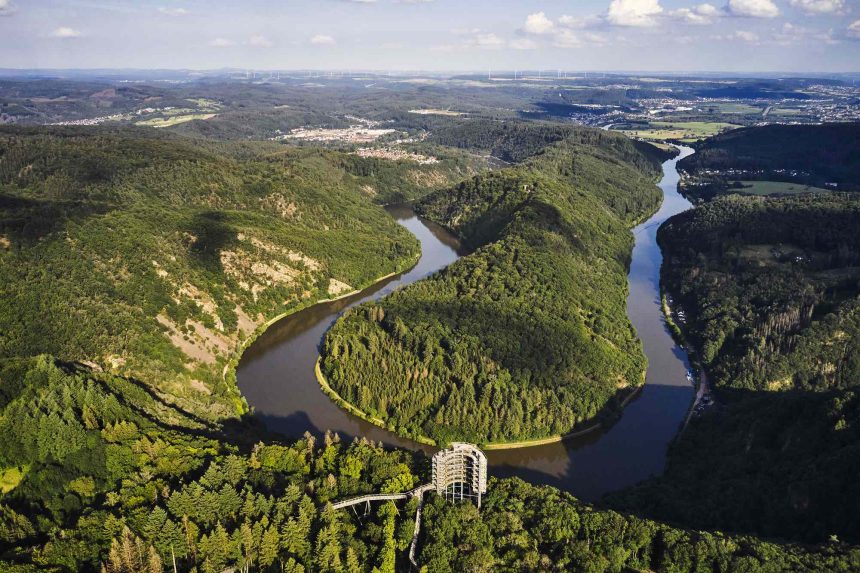
For decades, Saarland was the engine room of German heavy industry. However, the closure of the final coal mine in 2012 marked a definitive turning point. Rather than letting these industrial scars fester, the region has embraced a “green reclamation” strategy.
Recent environmental data highlights this shift: over 30% of the state is now protected as part of the Saar-Hunsrück Nature Park. Where slag heaps once dominated the horizon, dense forests and sprawling meadows have returned. This ecological recovery has turned the region into a premier destination for hikers and birdwatchers, who now traverse trails that wind through reclaimed habitats where rare species, such as the red kite, have made a triumphant comeback.
The Avant-Garde Spirit of the Saar
Beyond the greenery, Saarland has cultivated a unique cultural identity that feels distinct from the polished, historic centers of Munich or Berlin. The local art scene is characterized by an “offbeat” sensibility-a byproduct of its history as a borderland that has frequently shifted between French and German influence.
This cultural fusion is best exemplified by the Völklingen Ironworks. Once a powerhouse of industrial production, this UNESCO World Heritage site has been repurposed into a sprawling, unconventional gallery. Instead of white-walled museums, visitors explore cavernous, rusted blast furnaces that now house immersive light installations and contemporary art exhibitions. It is a stark, powerful reminder that the region’s industrial past is not being erased, but rather recontextualized as a canvas for modern creativity.
Why Saarland is the New Frontier for Travelers
For those seeking an authentic experience away from the overcrowded tourist tracks, Saarland offers a compelling alternative. Its appeal lies in its “second act”-a narrative of resilience that resonates with the modern traveler.
* Culinary Fusion: The local gastronomy is a testament to the region’s history, blending the rustic heartiness of German cuisine with the refined techniques of French culinary traditions.
* Slow Tourism: With its compact size, Saarland is perfectly suited for cycling and slow-paced exploration, allowing visitors to engage deeply with local communities rather than rushing between landmarks.
* Industrial Heritage: The state serves as a living laboratory for urban renewal, proving that post-industrial regions can thrive by prioritizing biodiversity and creative expression.
Saarland is no longer just a footnote in Germany’s industrial history; it is a vibrant, evolving destination that proves beauty can flourish in the most unexpected places. Whether you are drawn by the quietude of its rewilded forests or the provocative nature of its industrial art, this border state offers a refreshing perspective on what it means to reinvent a region.