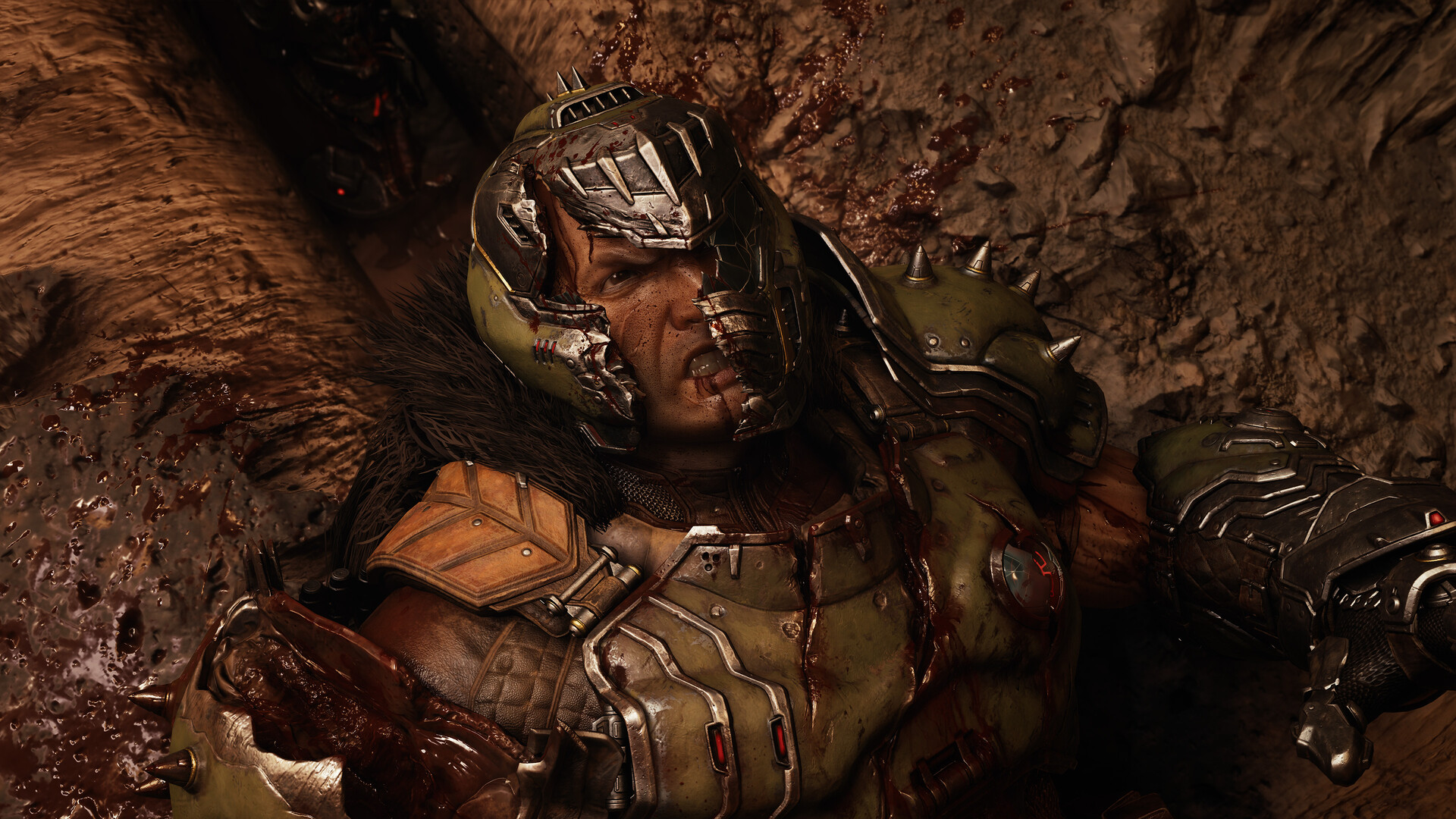






The Reality Check: Why Xbox Game Pass Missed Its Massive Growth Targets
For years, Microsoft has championed Xbox Game Pass as the definitive future of the gaming industry-a “Netflix for games” model designed to redefine how players access content. However, recent internal disclosures reveal a stark disconnect between that vision and the current reality. Despite massive capital investment and high-profile studio acquisitions, the service is significantly underperforming against its original internal benchmarks.
The Gap Between Ambition and Adoption
Internal projections once painted a picture of explosive growth, with Microsoft executives aiming for a staggering 77 million Xbox Game Pass subscribers by the conclusion of fiscal year 2026. The actual figures, however, tell a more sobering story. Current estimates place the subscriber count at approximately 30 million-a figure that represents less than 40% of the company’s initial goal.
This shortfall is compounded by a concerning trend in user retention. Data suggests that the service’s growth trajectory has not only flattened but regressed; current subscriber numbers are reportedly down by roughly four million compared to the figures shared publicly in 2024. Former staff members have indicated that internal morale took a hit as it became increasingly clear that the service had likely reached its saturation point much earlier than leadership anticipated.
Pricing Volatility and Strategic Missteps
In an attempt to stabilize revenue and offset the high costs of content acquisition, Microsoft experimented with aggressive pricing strategies. The company implemented a significant 50% price hike for the Game Pass Ultimate tier last October. This was followed by a pivot in April, where the price was adjusted to $23 per month. These fluctuations highlight the difficulty of balancing a subscription-based model with the need to maintain a healthy ecosystem that encourages individual game sales.
The “Call of Duty” Dilemma
Perhaps the most contentious internal debate involved the integration of the Call of Duty franchise into the subscription library. While many fans viewed the inclusion of Call of Duty as a “killer app” for the service, internal documents reveal deep skepticism among Xbox staff.
The primary fear was “cannibalization”-the idea that offering a premium, high-selling annual title for a flat monthly fee would erode the massive retail revenue the franchise typically generates. Recent market data validates these concerns: even after Microsoft finalized its monumental acquisition of Activision Blizzard, a massive 82% of Call of Duty: Black Ops 6 sales were generated on PlayStation platforms.
A Shifting
The Shifting Landscape of Gaming: From Subscription Fatigue to Innovative Hardware and VR Frontiers
The gaming industry is currently navigating a complex transition. While the subscription model remains a cornerstone of modern play, recent data suggests that the explosive growth phase for services like Xbox Game Pass is cooling. Despite massive studio acquisitions and the promise of day-one releases, Microsoft and other industry giants are finding that the “Netflix for games” strategy has hit a plateau. This stagnation is forcing a strategic pivot, as companies re-evaluate the sustainability of aggressive subscription-first business models in an increasingly saturated market.
Valve Grants Steam Deck Users Official Windows Compatibility
For years, the community surrounding Valve’s handheld hardware has clamored for seamless Windows integration. Valve has finally answered that call by releasing a comprehensive suite of official Windows drivers. While SteamOS remains the gold standard for optimized performance and battery efficiency, this update allows users to install Windows 11 without the headache of third-party workarounds or missing hardware functionality.
The new driver package covers essential components, including GPU, Wi-Fi, Bluetooth, audio, and SD card management. This move effectively transforms the Steam Deck into a versatile, pocket-sized PC, catering to users who require Windows-specific software or anti-cheat compatibility that SteamOS sometimes struggles to support. It is a significant acknowledgment from Valve that user choice-even when it means moving away from their proprietary OS-is a key driver of hardware longevity.
The Rise of Virtual Taekwondo: Combat Sports Without the Concussions
At first glance, the concept of “Virtual Taekwondo” might seem like a nostalgic nod to the motion-control era of the Nintendo Wii. However, the discipline is gaining serious traction in Southeast Asia as a legitimate athletic pursuit. By utilizing VR headsets and body-tracking sensors, practitioners can engage in high-intensity combat training without the physical toll of traditional sparring.

The primary barrier to entry for many combat sports is the fear of injury. Virtual Taekwondo removes the risk of concussions and broken bones while retaining the cardiovascular intensity and technical precision of the sport. By shifting the impact from human bodies to digital avatars, the discipline is opening the door for a wider demographic, including older adults and those who want to train at a competitive level without the long-term physical consequences.
Biometric Empathy: The Future of Emotionally Responsive Gaming
The intersection of VR and biometrics is pushing gaming into uncharted, and perhaps slightly unsettling, territory. A new title, Rekindle, utilizes advanced face-tracking technology to integrate a player’s emotional state directly into the gameplay loop. The game monitors facial expressions to determine if a player’s reactions align with the narrative beats of the story.
Set in a dystopian future where identity is under threat, Rekindle uses this technology to foster a deeper sense of empathy for the protagonist. However, the implications extend far beyond entertainment. This

![[Event Review] Carl Cox Brings Two Hours Of Old-School Energy To Dublin’s IMMA](https://www.mixtv1.com/wp-content/uploads/2026/08/24249-attachment.jpg)