




Windows 11 Search Interface: A Subtle Four-Pixel Expansion
Recent updates to Windows 11 have focused heavily on refining the user experience, particularly regarding the responsiveness of the Start menu and the efficiency of the local file search tool. Following the June update, which notably allowed users to trigger search results with just two characters, Microsoft is now rolling out a minor but distinct visual modification to the interface.
## A Micro-Adjustment to the UI
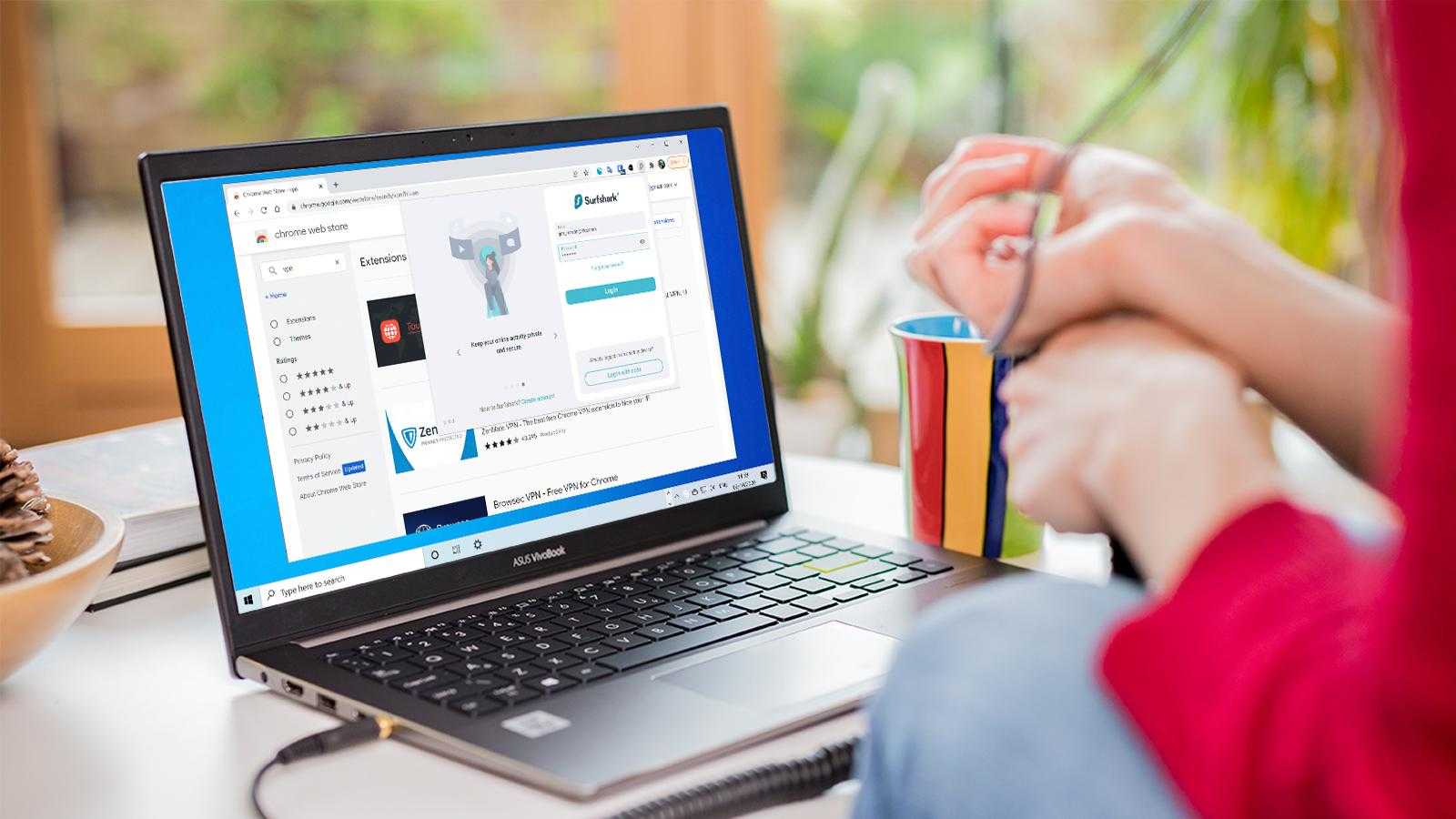
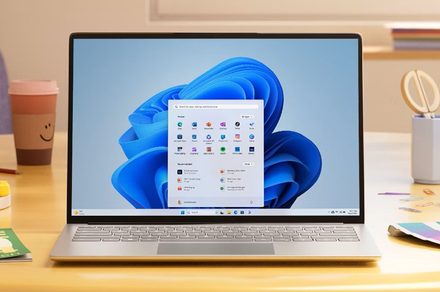
Reports from recent Insider Preview builds indicate that the search box located within the Taskbar and the Start menu is undergoing a slight growth spurt-specifically, an increase of four pixels in height. While a four-pixel shift might seem negligible to the average user, it creates a noticeably “chunkier” aesthetic.
When observing the Taskbar, this change pushes the search element slightly closer to the upper boundary. Within the Start menu, the added vertical space provides the search bar with more visual weight, subtly altering the alignment of the surrounding interface elements. Although this update does not alter the underlying functionality or search algorithms, it represents a deliberate design choice that impacts the most frequently interacted-with areas of the operating system.
## The Strategic Logic Behind the Tweak
Why would Microsoft dedicate engineering resources to a four-pixel adjustment? While the company has remained tight-lipped regarding the specific design rationale, industry analysts suggest this is a move toward visual standardization.
The primary theory is that this modification is a precursor to the broader integration of “Ask Copilot.” As Microsoft continues to push its AI-driven search experience, it is essential that the standard Windows Search and the AI-powered Copilot interface share a cohesive design language. By increasing the height of the standard search box, Microsoft is likely aligning its dimensions with the upcoming Copilot search bar, ensuring that the
The Evolving AI Landscape: From Personal Reflection to Hardware Innovation
Mindful AI Interaction: Introducing Claude Reflect
Anthropic has introduced a new feature for its Claude platform that shifts the focus from mere productivity to intentional engagement. While many tech platforms have popularized the “Wrapped” style of annual data summaries, Anthropic is taking a different approach with “Claude Reflect.”
Currently available in beta for users who have enabled the memory function-including those on Free, Pro, and Team plans-this tool serves as a digital mirror. Rather than just providing a static list of your most frequent prompts, Claude Reflect analyzes your interaction patterns to offer insights into how you utilize artificial intelligence. The primary goal is to foster a healthier relationship with technology by prompting users to step back, evaluate their workflows, and integrate necessary breaks into their digital routine.
The Growing Divide: AI in the Classroom
As artificial intelligence becomes a staple in modern households, a significant tension is emerging between home life and academic policy. According to the *Deloitte 2026 Back-to-School Survey*, which gathered insights from over 1,200 parents of K-12 students, nearly half (49%) of respondents expressed deep concern that their children are becoming overly reliant on AI for academic tasks.
This anxiety is compounded by a lack of institutional structure. The survey highlights a critical gap in the educational sector: only one-third of schools have established formal guidelines regarding AI usage. This regulatory lag leaves parents in a difficult position, as they navigate the fine line between leveraging AI as a helpful tutor and preventing it from becoming a crutch that hinders critical thinking. As AI integration continues to outpace policy development, the need for clear, standardized educational frameworks has never been more urgent.
Samsung’s Strategic Pivot: The Gaia AI Accelerator
The hardware sector is also bracing for a major shift as Samsung reportedly prepares to re-enter the PC processor market. Industry reports indicate that Samsung’s System LSI division is currently developing “Gaia,” a specialized AI accelerator chip designed specifically for personal computers.


Unlike traditional CPUs from Intel or AMD, Gaia is being engineered as a dedicated companion processor. Its primary function is to offload and accelerate complex artificial intelligence workloads, potentially boosting system efficiency for AI-heavy tasks. Early prototypes have already reached major manufacturers like HP and Lenovo for rigorous performance evaluation.
While industry insiders, including notable leaker Ice Universe, view this as Samsung’s first major move into the PC chip space in over a decade, it represents a nuanced strategy. By focusing on AI-specific acceleration rather than attempting to replace the central processor, Samsung is positioning itself to capitalize on the growing demand for local AI processing power, with mass production potentially slated for 2027.