





Meta Retires Controversial AI Image Tool Following Intense Public Outcry
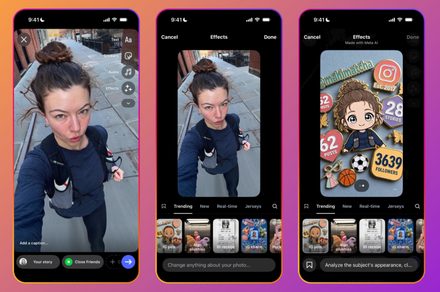
Meta has officially pulled the plug on its “Muse Image” feature, a controversial AI tool that allowed users to generate images by referencing public Instagram profiles without the explicit consent of the account holders. This sudden reversal comes just days after the feature’s debut, following a wave of criticism regarding privacy and digital autonomy.
### The Mechanics of the Controversy
The core issue stemmed from Meta’s “opt-out” design philosophy. By default, the system enrolled millions of public Instagram users into a program where their personal photos could serve as the foundation for AI-generated content. While Meta provided a mechanism to opt out, the burden was placed entirely on the user to discover and navigate these settings.
This approach effectively treated public profiles as open-source training data for generative AI, sparking significant alarm among privacy advocates and everyday users who felt their digital likenesses were being exploited without permission.
### Why the Feature Was Shelved
In a formal statement provided to journalist Dylan Byers, Meta acknowledged that the tool “missed the mark.” However, the company carefully framed the decision as a response to user feedback rather than an admission of a fundamental consent failure.
Industry analysts suggest that the pressure went beyond casual social media complaints. Reports indicate that major talent agencies-most notably Creative Artists Agency (CAA)-exerted significant influence behind the scenes. Given that these agencies represent high-profile celebrities and influencers whose images are highly valuable, their intervention likely accelerated Meta’s decision to scrap the tool entirely.
### A Shift in AI Strategy
Meta’s attempt to integrate Instagram data into its AI ecosystem highlights a growing tension in the tech industry: the struggle to
Digital Trends Roundup: From YouTube Evolution to the Rise of AI Content and Wellness Scams
YouTube Transforms Playlists into Episodic Television
For years, YouTube creators have relied on basic playlist features to keep viewers engaged, but the platform is finally bridging the gap between user-generated content and traditional broadcast television. YouTube has officially rolled out a “Shows” feature, a long-overdue tool that brings the structure of episodic TV to the creator economy.
Previously, creators in the YouTube Partner Program had to manually organize videos into playlists, hoping the algorithm would favor their binge-ability. With this new update, the platform is formalizing the viewing experience. By categorizing content as a “Show,” creators can provide a more professional, serialized structure that mirrors the experience of watching a series on Netflix or Hulu. This shift is a significant move for creators looking to build long-term retention and brand authority on the platform.
The LinkedIn AI Content Crisis: A Data-Driven Reality Check
It is no secret that LinkedIn has become a breeding ground for generic, AI-generated “thought leadership” and repetitive entrepreneurial platitudes. However, recent data suggests the scale of this automation is far more pervasive than even the most cynical users suspected.
A comprehensive study by Pangram, an AI-detection firm, recently scrutinized over one million posts across major social platforms, including Reddit, X, Medium, and Substack. The findings were stark: while LinkedIn accounted for roughly 33% of the total content analyzed, it was responsible for a staggering 62% of all AI-flagged material. This confirms that the professional networking site has become the primary hub for low-effort, machine-generated content, potentially diluting the value of genuine human connection on the platform.


The $50 “EMF Straw” and the Persistence of Wellness Misinformation
The wellness industry is no stranger to questionable products, but the latest trend-the “EMF straw”-takes the cake for absurdity. Currently gaining traction on platforms like TikTok and Instagram, these $50 stainless steel straws are being marketed as a protective barrier against electromagnetic frequencies (EMF) emitted by everyday electronics.
Influencers promoting these accessories claim that by drinking through a “frequency straw,” users can neutralize the harmful effects of their smartphones, supposedly boosting immunity and energy levels. Despite the lack of any scientific evidence supporting the idea that a straw can mitigate electromagnetic radiation, these products continue to sell. It serves as a potent reminder that in the digital age, fear-based marketing often outweighs scientific literacy, leading consumers to pay a premium for solutions to problems that simply do not exist.