




The Unexpected Legacy of Apple’s Abandoned Autonomous Vehicle Project
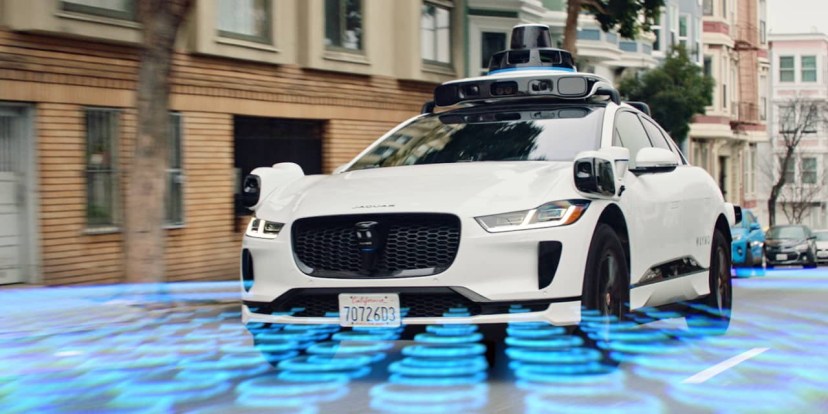
While Apple’s ambitious venture into the world of self-driving vehicles-often referred to as “Project Titan”-ultimately failed to reach the consumer market, its influence on the company’s current technological trajectory is profound. The project served as a high-stakes incubator, forcing Apple to innovate in ways that have now become the bedrock of its modern hardware strategy: on-device AI processing.
From Roadblocks to Silicon Breakthroughs
The primary hurdle for any autonomous vehicle is the sheer volume of data that must be processed in real-time without relying on a remote server. To solve this, Apple’s engineers began designing specialized silicon capable of handling complex machine learning tasks locally. Although the car itself never hit the pavement, the architectural breakthroughs achieved during that research phase directly birthed the Neural Engine.
This dedicated hardware component first appeared in the A11 Bionic chip within the iPhone X. Initially, its utility was somewhat niche, focusing on consumer-facing features like FaceID, augmented reality (AR) filters, and Animoji. However, this was merely the proof-of-concept phase for a much larger vision.
Scaling AI: From Mobile to Desktop
Apple’s decision to integrate the Neural Engine into its M-series silicon for Macs and iPads was a strategic masterstroke. By moving AI processing power from the pocket to the desktop, Apple effectively bridged the gap between mobile convenience and workstation performance.
This hardware-first approach has provided Apple with a distinct competitive advantage: privacy. Because the Neural Engine allows for sophisticated AI tasks to be performed locally on the device, Apple can minimize the amount of sensitive user data transmitted to the cloud. In an era where data security is a primary consumer concern, this “privacy-by-design” architecture has become a central pillar of Apple’s marketing and product philosophy.
The Future: M7 and the Shift Toward Server-Side AI
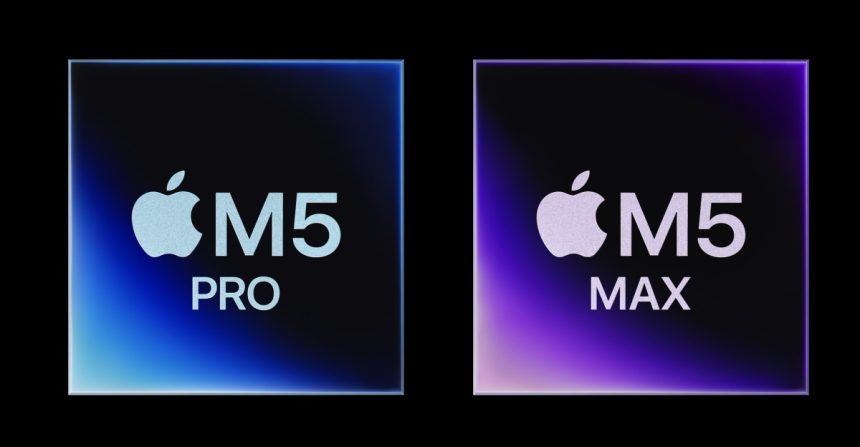
Looking ahead, Apple is doubling down on its silicon-centric strategy. Recent industry reports suggest a significant pivot in the company’s roadmap. Rather than iterating on the current M6 architecture with standard Pro, Max, and Ultra variants, Apple is reportedly fast-tracking the development of the M7 chip.
Expected to debut in the first half of 2027, the M7 is rumored to feature a massive overhaul of the Neural Engine, signaling that Apple is preparing for a new generation of AI-heavy applications. Furthermore, the M7 Ultra is slated to power a new class of Apple server hardware. With support for up to 1.5TB of RAM, these machines are designed to handle the heavy lifting of large-scale AI models, potentially allowing Apple to compete more aggressively in the enterprise and cloud-computing sectors.
Why This Matters
The tech industry is currently in an “AI arms race,” with companies like NVIDIA and Google pushing the boundaries of cloud-based processing. Apple’s strategy is unique because it controls the entire stack-from the silicon design to the operating system. By leveraging the lessons learned from its failed car project, Apple has transformed a multi-billion dollar “failure” into the engine that will power its ecosystem for the next decade.
As we move toward 2027, the focus will shift from whether Apple can catch up in software to how effectively it can utilize its proprietary hardware to redefine the boundaries of on-device intelligence.