

Bridging Realities: The Technical Hurdles of Bringing CONNECTOME to Apple Vision Pro
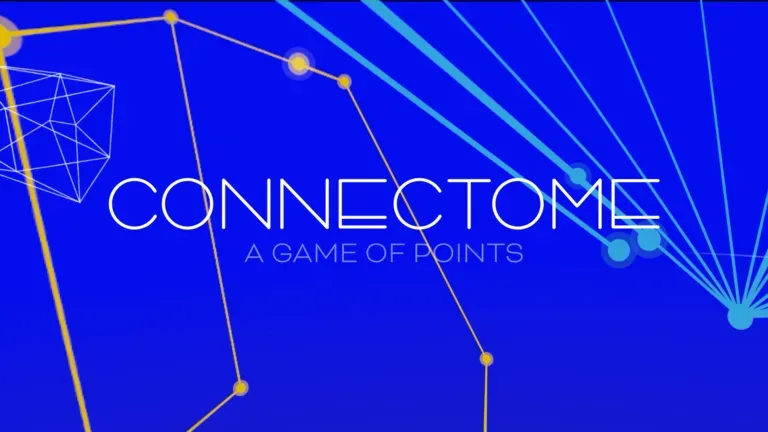
The immersive art experience CONNECTOME: A Game Of Points has successfully transitioned from its Meta Quest roots to the Apple Vision Pro. By leveraging the unique input capabilities of both platforms-specifically hand tracking on Quest and the sophisticated combination of hand and eye tracking on Apple’s headset-developer Grant Hinkson has crafted a meditative, spatial puzzle experience. However, the journey to bring this title to visionOS was far from seamless.
<
Bridging the Gap: The Hidden Struggles of visionOS Development
When Apple unveiled its latest visionOS updates at the 2025 Worldwide Developers Conference (WWDC), the tech community buzzed with anticipation. However, for developers working within the Unity ecosystem, the reality was far more complex. A significant technical void remains: Unity has officially confirmed it has no immediate plans to implement native support for certain advanced visionOS features, leaving creators to navigate a challenging landscape of missing integrations.
Engineering Custom Solutions: The CONNECTOME Case Study
Developer Hinkson’s work on the title CONNECTOME serves as a masterclass in the “trial by fire” nature of modern XR development. When faced with the lack of native eye-tracking support for hover effects, Hinkson didn’t wait for an update. Instead, they engineered a custom bridge that interfaced directly with Unity’s compositor. By registering eye-tracking data per frame and manually writing textures for the visionOS renderer, Hinkson achieved the desired effect-but at a cost.
Because Unity’s build process regenerates the visionOS environment from scratch every time, these manual tweaks were consistently wiped out. To solve this, Hinkson had to architect a secondary “post-build patcher” that automatically reapplies these custom modifications after the Unity export finishes. A similar hurdle arose with color management; since Unity does not expose the necessary SwiftUI APIs required to maintain the game’s signature room-to-room color transitions, another custom bridge and automated patching system had to be developed to preserve the visual integrity of the scene.
The “Brick Wall” Reality of XR Innovation
Hinkson’s experience highlights a broader truth in the XR industry: the timeline for high-quality app development is often underestimated by consumers. Developers frequently encounter “brick walls”-unforeseen technical limitations that only become apparent once a project is deep into production. According to recent industry reports, nearly 60% of XR developers cite engine-level compatibility as their primary bottleneck, often forcing them to spend weeks “reinventing the wheel” rather than focusing on gameplay mechanics.
While hardware giants like Apple, Meta, and Snap are actively providing SDKs and fostering partnerships with engine creators, these tools are often incomplete. Meta’s long-standing collaboration with Unity and Unreal Engine, for instance, provides a solid foundation, but it cannot account for every niche requirement. When major engines like Unity, Godot, or Unreal fail to provide