




The Paradox of Assassin’s Creed Black Flag Resynced: Success Overshadowed by Monetization
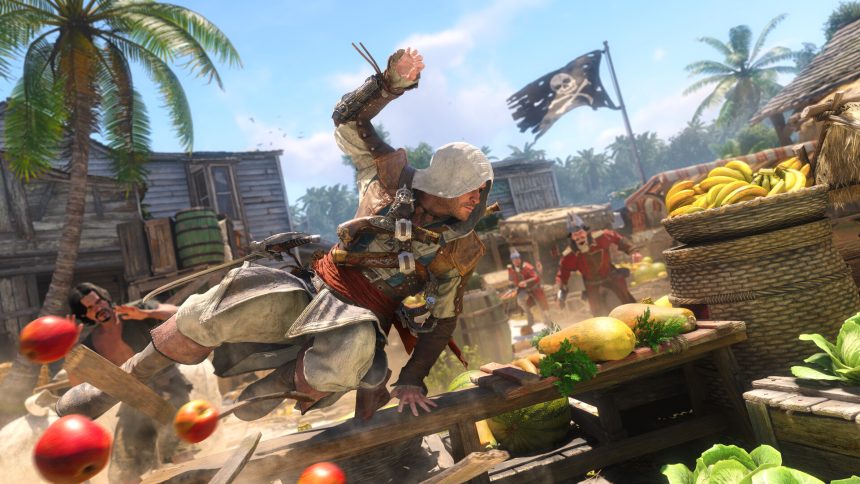
Ubisoft often finds itself in a peculiar position: achieving significant commercial milestones while simultaneously alienating its core audience. The recent launch of Assassin’s Creed Black Flag Resynced serves as a prime example of this dichotomy. While the title shattered records to become the most successful Steam debut in the franchise’s history, its initial reception was marred by a wave of “Mixed” user reviews-a sentiment that has only recently shifted toward “Mostly Positive” as the dust settles.
The Controversy Behind the Paywall
The primary friction point stems from the game’s aggressive post-launch monetization strategy, specifically regarding the Character and Naval Packs. While the Deluxe Edition bundles two of these sets, players are expected to shell out for the remaining six, plus a Map Pack. For those who already invested $70 in the base game or $85 for the Deluxe version, the prospect of spending an additional $65 to unlock the full suite of content feels predatory.
The community backlash was swift and vocal. One viral Steam review, which garnered significant traction through community awards, perfectly encapsulated the frustration: “Come on Ubisoft, you just couldn’t hold yourself, huh?! Releasing a €70 game and on the DAY of the release you slap us with €85 worth of DLC packs that are just not cosmetic but give you a gameplay advantage!” This highlights a growing fatigue among gamers regarding “pay-to-win” elements being integrated into premium, full-priced titles.
Ubisoft’s Defense: A Matter of Perspective
In an unusual move, Ubisoft addressed the criticism directly, attempting to clarify the value proposition of the release. The publisher stated, “We’ve seen your feedback since launch, and we’re reading all of it. Thank you for caring this much about Black Flag Resynced. We want to be clear on one point: the Standard Edition is the full, complete experience.”
The company emphasized that the core narrative, every island, and all mission content are accessible without additional purchases. From their perspective, these packs are purely optional “quality-of-life” enhancements rather than essential components of the gameplay loop. However, this defense rings hollow for many fans who feel that locking gameplay-altering items behind a paywall on day one-without prior disclosure-undermines the integrity of a remake of a beloved 2013 classic.
The Cost of Development vs. Consumer Trust
Industry insiders suggest that the sheer scale of the project might be driving these monetization choices. With reports indicating that as many as 15 different Ubisoft studios collaborated on Resynced, the overhead costs are undoubtedly astronomical. In the current gaming landscape, where development budgets for AAA titles frequently exceed $200 million, publishers are under immense pressure to maximize revenue per user.
Despite the controversy, the financial data suggests that the strategy hasn’t hindered the game’s momentum. Early estimates indicate that Assassin’s Creed Black Flag Resynced moved over 300,000 units on Steam during its pre-launch window alone, raking in approximately $14 million. While Ubisoft has remained tight-lipped regarding official sales figures, the sheer volume of concurrent players-which nearly hit the 100,000 mark-proves that the appetite for this pirate adventure remains insatiable.
Ultimately, the success of Black Flag Resynced will be measured not just by its initial revenue, but by its long-term player retention. Whether Ubisoft can balance its need for high-margin revenue with the necessity of maintaining consumer goodwill remains the defining question for the company’s future releases.